Guides
Interview with Field Ready about its humanitarian work using 3D printing
One of the advantages of 3D printing is that it allows parts to be produced locally and objects to be optimised as needed. No need to physically store or use suppliers on the other side of the world: thanks to…
- 3 min read
- Guides
- Six more stories
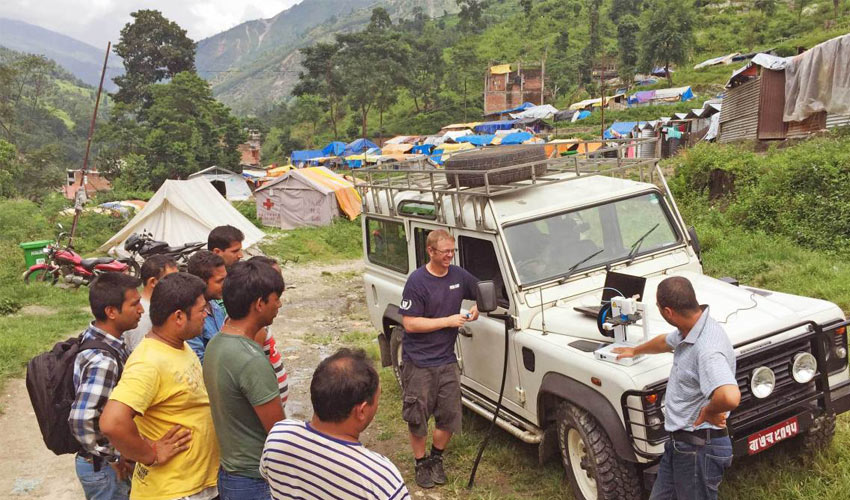
One of the advantages of 3D printing is that it allows parts to be produced locally and objects to be optimised as needed. No need to physically store or use suppliers on the other side of the world: thanks to 3D technologies, you can manufacture on demand from a digital file wherever you are. This is a key advantage that has attracted the Field Ready association: it uses 3D printers to help the most disadvantaged people, often in disaster areas, and creates all kinds of everyday objects to come to help to them. We had the opportunity to meet its director, Eric James, who explained to us where his idea came from and the benefits of additive manufacturing.
3DN: How did you come up with the idea of creating Field Ready?

Dr. Eric James
Field Ready was borne out of several realizations. First, a deep passion for helping other people in difficult circumstances. This has been the primary motivator by everyone who is closely associated with Field Ready. Second, a frustration with the status quo. The aid sector has been slow to adapt and an innovation laggard. Finally, the opportunity to do something transformative. The needs are massive but so is the chance to impact positive change.
The concepts behind the organization were first developed in Silicon Valley by Drs. Eric James and Nick Haan in August 2012 but the ideas were based on decades of experienced in places like South Sudan, Afghanistan and Haiti. The organization was incorporated in 2013, received its US 501c3 status the following year and has since been registered in a number of countries.
More from the desk
Six other notes from the rest of the bench.
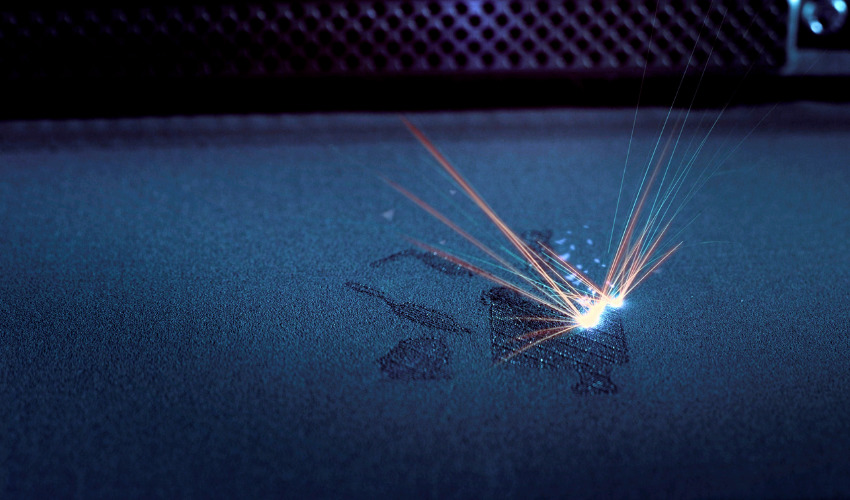 NewsAM Ventures Launches First Venture Capital Fund Devoted to Industrial 3D PrintingToday, AM Ventures announced the launch of a 100 million euro, first-of-its-kind, venture capital fund solely devoted to industrial 3D printing. The fund’s central focus revolves around reinforcing the foundations and early growth stage of hardware, software, materials, and appli
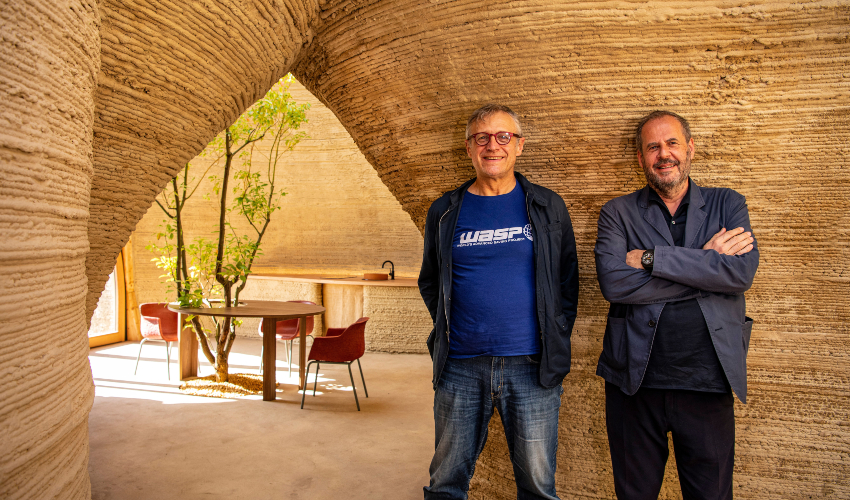 NewsEco-Sustainable Housing Project, TECLA, has Finished ConstructionWASP and Mario Cucinella Architects have officially finished construction on their first eco-sustainable housing project, TECLA. 3D printed entirely from local raw earth, TECLA originated as a low carbon housing alternative responding to the climate crisis. We have previously cov
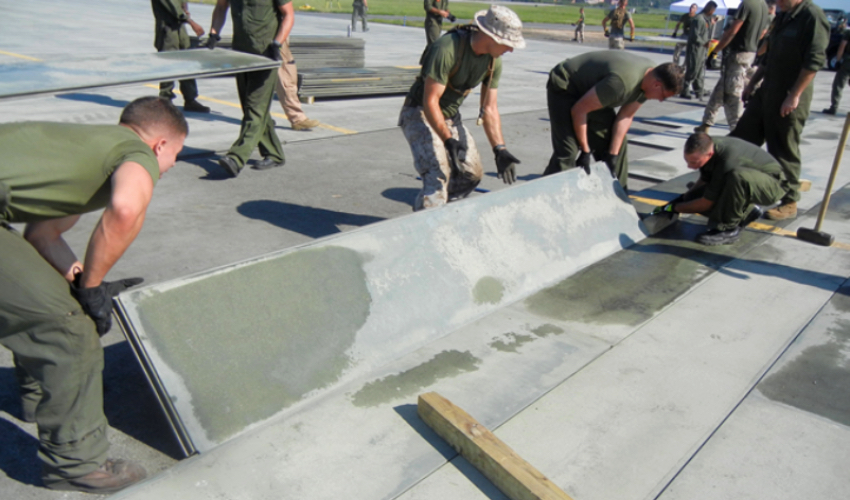 NewsUS Air Force sponsors the development of a 3D printed runway matITAMCO (Indiana Technology and Manufacturing Companies) has been working with a Purdue University professor, Pablo Zavattieri, to develop a unique 3D printed runway mat for Expeditionary Airfields for US Air Force. Last year the team was competing in Phase 1 of SBIR…
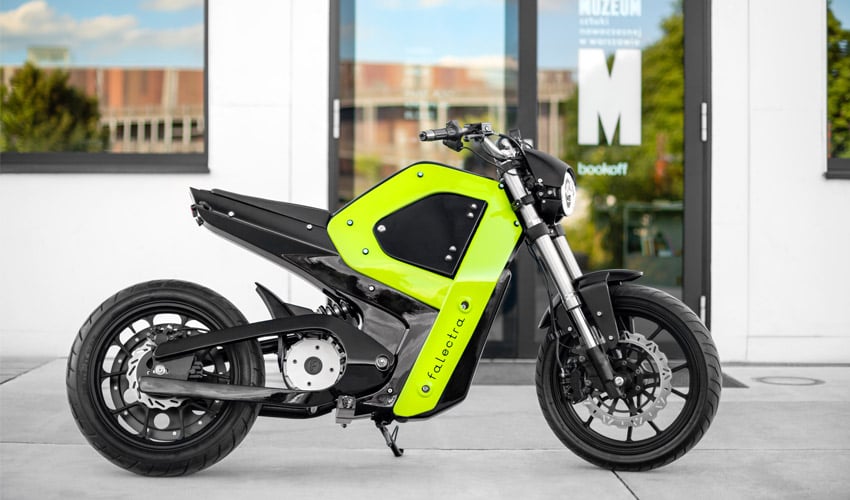 ApplicationsA 3D printed electric motorbike prototype coming from PolandPiotr Krzyczkowski is a young Polish designer who wanted to create his own brand of electric motorcycles, Falectra. He wanted to offer city dwellers a comfortable, economical and more environmentally friendly solution. In order to convince various investors, he designed…
 ApplicationsA bioprinted ovary to fight sterilityIn May 2017, we told you about researchers from Northwestern University’s mission to provide women with fertility issues a viable solution. Back then, they succeeded in implanting a bioprinted ovary in a sterile mouse, an interesting and promising first step.…
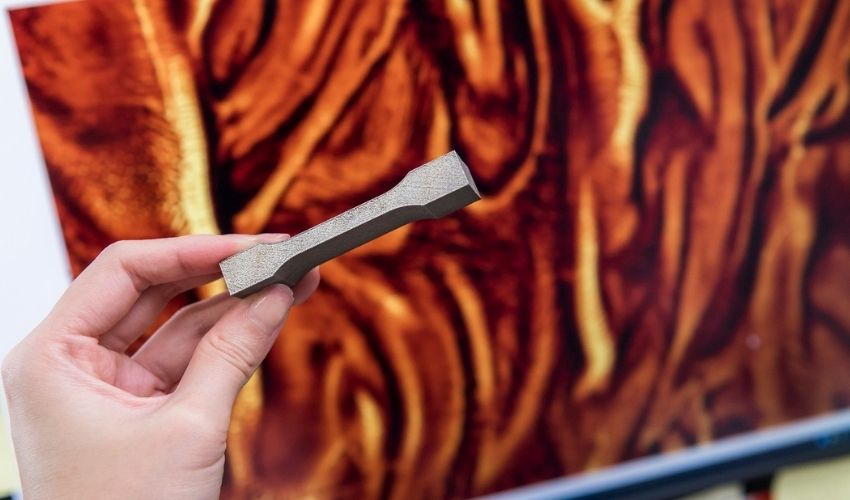 NewsResearchers Create a Superior Titanium Alloy Using Laser Powder Bed FusionScientists from the City University of Hong Kong (CityU) have made a breakthrough in the design of a titanium alloy. Thanks to additive manufacturing (AM), they were able to successfully create an alloy with superior mechanical qualities. The project arose…