Applications
Testing drugs on 3D printed heart tissue
The German multinational pharmaceuticals company, Bayer, has announced that it will test new drugs on 3D printed heart tissue. Tel-Aviv University achieved a big breakthrough last year when it unveiled the world’s first 3D printed heart and vessels, and it…
- 3 min read
- Applications
- Six more stories
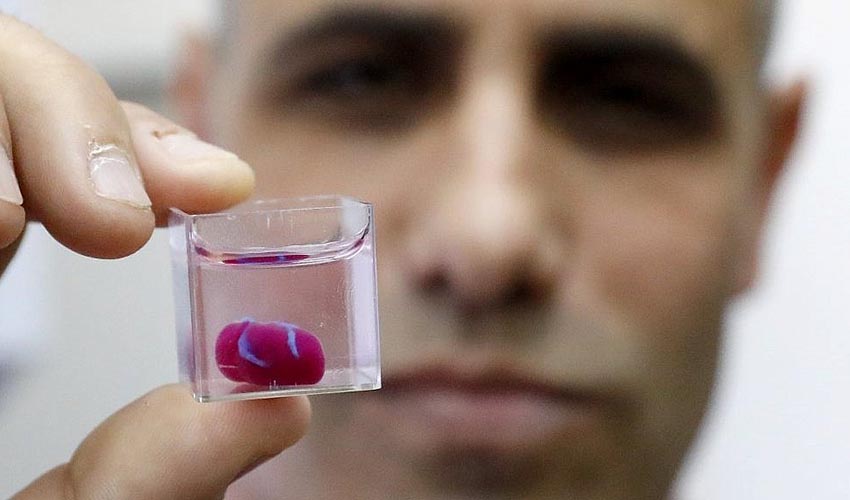
The German multinational pharmaceuticals company, Bayer, has announced that it will test new drugs on 3D printed heart tissue. Tel-Aviv University achieved a big breakthrough last year when it unveiled the world’s first 3D printed heart and vessels, and it is this same research that will speed up drug validation according to Bayer. In fact, Ramot, the technology transfer arm of Tel-Aviv University said that researchers will work with Bayer to test new medication for toxicity and efficacy using 3D printed heart tissue and eventually whole human 3D printed hearts, over a number of years.
When researchers managed to use bioprinting techniques to create a heart and its vessels, this opened up many new potential applications. Of course, 3D printing entire organs for transplantation is the ultimate aim of scientists working on this question, however there is also the issue of drug screening. Though the researchers estimate that we will need an additional 10 to 15 years to be able to reproduce organs ready for transplantation, validating drugs on bioprinted tissues is another story.
Therefore, these 3D printed tissues could enable faster, cheaper and more efficient screening than previous methods. In the case of Prof. Tal Dvir’s lab at Tel-Aviv University, drug candidates go through several phases of screening before reaching pharmacies. First, the new chemical compound is tested on human tissue cultures on Petri dishes in the lab. Then, it is administered to lab animals. Finally, the drug is approved for human clinical trials.
More from the desk
Six other notes from the rest of the bench.
 SoftwareCHITUBOX Aims for Even More Convenient Slicing With its Newest Version, Pro V2.0Although there are many steps in 3D printing, one of the most critical is, without a doubt, slicing. In this stage, software platforms known as slicers are used to convert the 3D model into a series of thin layers, the…
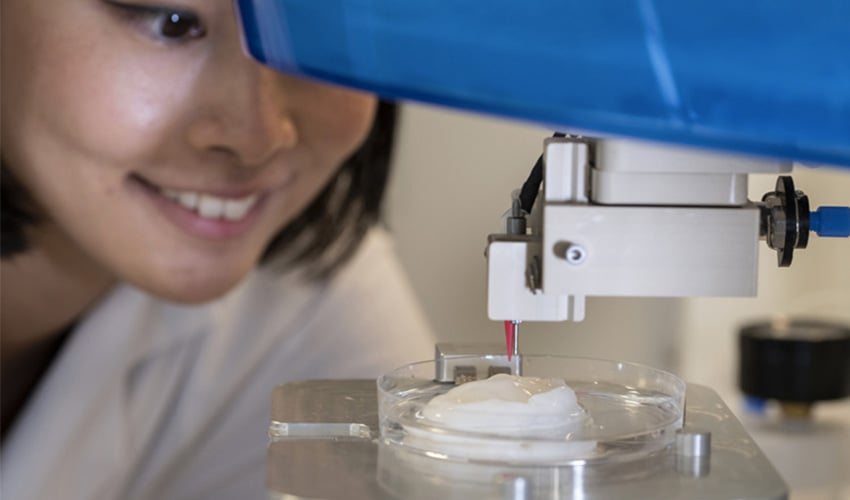 Applications3D Printing Could Improve Cosmetic Surgery ProceduresScientists at Swansea University in Wales have developed a solution that they believe will transform the future of plastic surgery. They have developed an additive manufacturing technology capable of creating 3D printed artificial cartilage. This project aims to change the&hellip
 ApplicationsInfographic: 3D Printing in the Automotive SectorThe automotive sector was one of the first industries to use 3D printing. Indeed, it was the first to use the technologies to create prototypes as well as to gradually move towards integrating end-use parts. And the importance of additive…
 ApplicationsDaimler Buses is Allowing its Customers to 3D Print Spare PartsBefore long, bus companies Mercedes-Benz and Setra will be able to 3D print parts for their vehicles themselves. The news comes directly from an announcement by the component manufacturer Daimler Buses in a press release. With this initiative, the manufacturer…
 NewsAre 3D Printer Shipments Back to Pre-COVID Levels?When the pandemic shut down the world last year, a number of industries were severely impacted. However, 3D printing proved to be more robust than many others. That being said, a few studies have shown that though it did not…
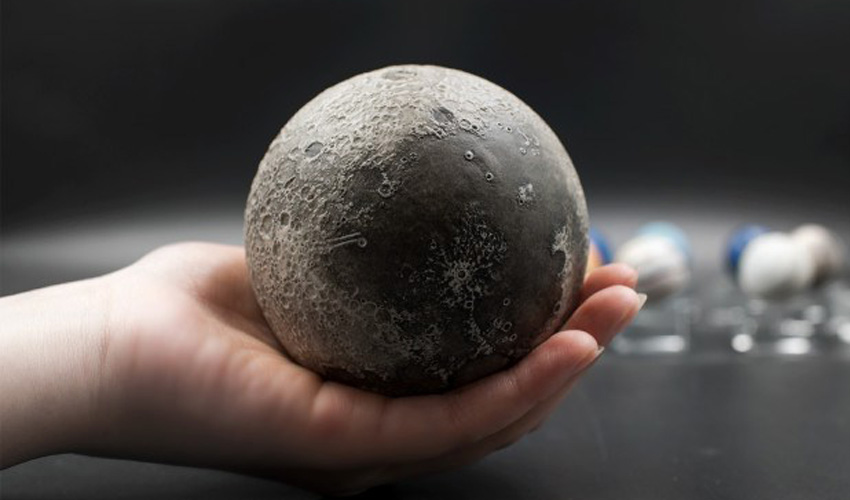 NewsYou Can Now 3D Print The Moon and View Launch Sites in ARThe Earth has only one moon, so it has a special place in our hearts. Since landing on it (and not going back for 45 years), The Moon has remained a mysterious place. It follows us almost 400,000km away as…