Materials
Everything You Need to Know About 3D Printing with Tungsten
Tungsten has emerged as a pivotal material in the 3D metal printing industry. Intensive research in recent years has focused on maximizing its potential. With continuous advancements in tungsten applications for additive manufacturing, a significant breakthrough was achieved in 2
- 3 min read
- Materials
- Six more stories
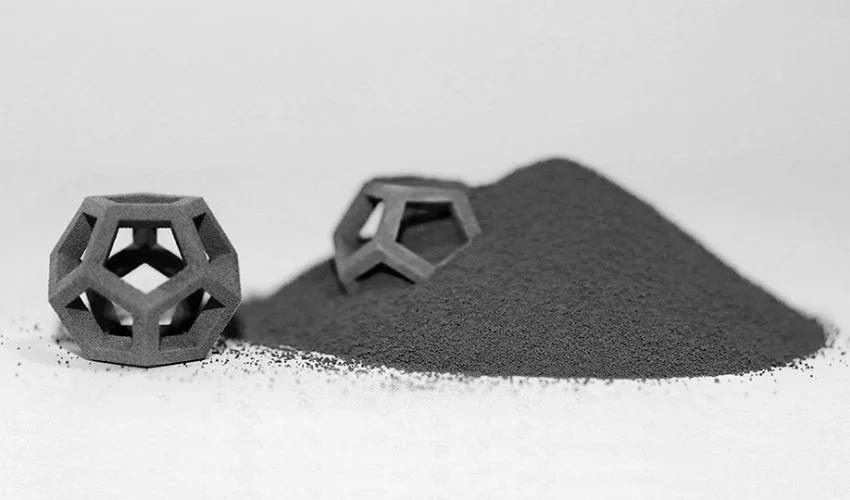
Tungsten has emerged as a pivotal material in the 3D metal printing industry. Intensive research in recent years has focused on maximizing its potential. With continuous advancements in tungsten applications for additive manufacturing, a significant breakthrough was achieved in 2020, overcoming longstanding issues of brittleness and micro-cracking during production. In 2021, a new process for creating tungsten-nickel-iron alloys was developed, further expanding its utility. Additionally, tungsten shows promise in fusion energy, where it can endure the extreme temperatures and conditions of fusion reactors, potentially meeting future energy needs. Here, we provide a comprehensive overview of this versatile heavy metal.
Properties of Tungsten
The name “tungsten” comes from the Swedish term for “heavy stone,” reflecting its status as the heaviest technical metal. Tungsten is a refractory, shiny white material with a 19.25 g/cm³ density and can become brittle even with slight contamination. It also has the highest melting point of all metals, at 3,410°C, and a boiling point of 5,700°C, making it ideal for use in light bulbs.
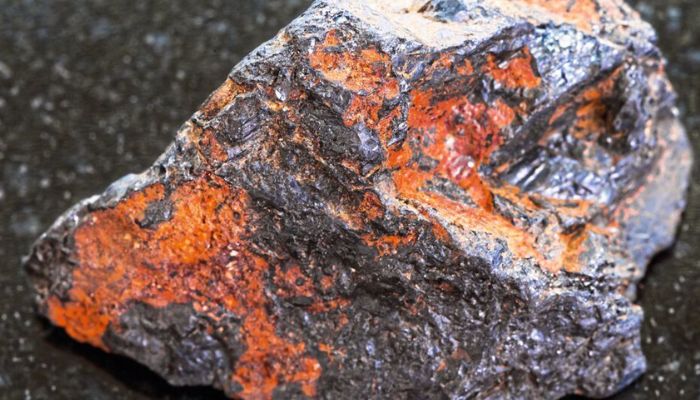
Tungsten in its pure form. (Photo Credits: ©vvoe – stock.adobe.com)
In its pure form, tungsten is either very soft or brittle, and it is almost always combined with other elements to form alloys known for their hardness. The most well-known alloy is tungsten carbide, a mixture of tungsten and carbon that creates a ceramic composite material. Other combinations include high-speed steel and alloys with cobalt, copper, bronze, chromium, iron, or nickel. Tungsten is also a component of the nickel-molybdenum-chromium superalloy Hastelloy. In all cases, these alloys result in rigid materials.
More from the desk
Six other notes from the rest of the bench.
 NewsHeyGears Expands the Possibilities of Resin 3D PrintingHeyGears is a manufacturer of 3D printing solutions, best known for its resin machines that allow countless users to unleash their creativity and produce a wide variety of parts. At Formnext 2025, the company unveiled a series of innovations designed…
 GuidesWhat is the Status of Women in the 3D Printing Industry?International Women’s Day takes place every year on March 8th. According to the United Nations, it is a global day that celebrates the achievements of women around the world as well as the progress that has been made up to…
 NewsTop 5 Videos: From Injection Molds to 3D Printed HomesCheck out the Top 5 Videos of the Month! We start with Formlabs showing you how to create durable, low-volume 3D printed injection molds efficiently. Next, 3Dnatives breaks down different 3D printer motion systems, helping you understand Cartesian, CoreXY, Delta,…
 ApplicationsFormer SpaceX Engineers Secure $14 Million for Metal AM Company FreeformIn 2019, former SpaceX engineers created Freeform, a metal 3D printing company that combines artificial intelligence, hardware-accelerated computing, and autonomous factory architecture to produce high-quality metal parts. This week, the Los Angeles-based company announced that i
 MaterialsHow Cement 3D Printing Can Contribute to DecarbonizationFor the past decades, the global population has been steadily increasing, which means that these people have to be accommodated somewhere. Consequently, with this increasing number, the amount of accommodation must also increase. Essential for its construction are cementitious pr
 ApplicationsDental 3D Printing To Be Valued at $7.9 BillionResearch firm Markets and Markets recently released its new report on dental 3D printing, which is expected to generate $7.9 billion by 2027, growing at an annual rate of 20.2% from this year. This study is divided into the most…