News
Essentium to Move into DLP 3D Printing With Collider Acquisition
Leading AM manufacturer, Essentium, announced that it has signed a Letter of Intent to acquire Collider, a company known for Programmable Tooling, combining Digital Light Processing (DLP) 3D printing and injection molding. The move shows Essentium’s desire to use its&hellip
- 3 min read
- News
- Six more stories
Leading AM manufacturer, Essentium, announced that it has signed a Letter of Intent to acquire Collider, a company known for Programmable Tooling, combining Digital Light Processing (DLP) 3D printing and injection molding. The move shows Essentium’s desire to use its expertise in material science and 3D printing machines to move into even more industries, especially in the arena of tooling and for geometrically, complex, custom parts. The acquisition is a line of many significant moves in the field of AM this year, showing the continued growth and health of the sector.
This has been a busy year for business in the AM market. After growth despite the pandemic in 2020, 2021 started off with a bang with a number of acquisitions including Desktop Metal’s acquisition of EnvisionTEC (the inventor of DLP 3D printing technology). Essentium itself has certainly not been idle. After releasing a report showing that investments in AM are paying off, especially in large-scale production, they also recently released a new HSE printer. The Essentium High Speed Extrusion (HSE) 280i HT 3D Printer is, according to the company, the first true independent dual extrusion system on the market. Now with this latest acquisition, Essentium plans to move into even more markets, taking advantages of the unique properties of DLP printing.
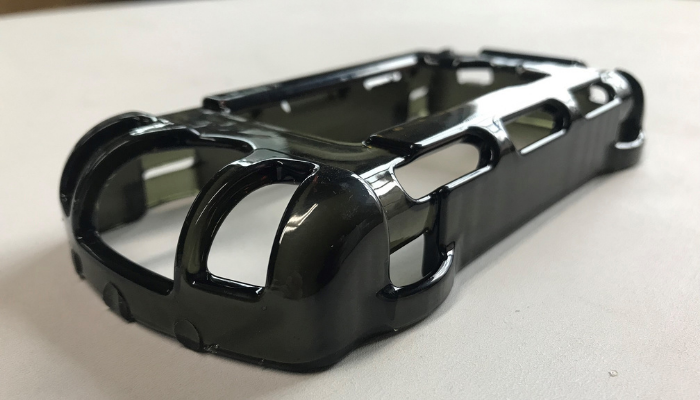
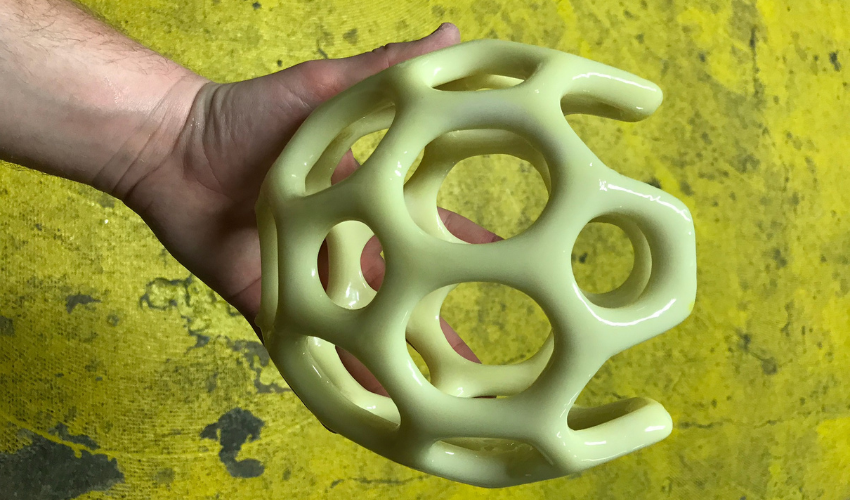
Esentium acquired Collider for its DLP technology which allows users to make effective tools and highly-customizable, geometrically-complicated parts (photo credits: Essentium)
Essentium hopes to benefit from Collider’s DLP technology
Collider’s technology is unique as it uses DLP techniques to create a thin photopolymer shell which can then be injected with a variety of materials and cured through a chemical process. After some post processing, there will either be a production-quality part or a mold that remains. The technology is especially interesting for Essentium as it will allow it to use a vast array of high-performance thermosetting polymers and composites including polyurethanes, silicones, epoxies, polyesters, foamed resins, carbon fiber composites, as well as sintered metals and ceramics, using just one machine.
More from the desk
Six other notes from the rest of the bench.
 NewsMIT Pushes Boundaries with Breakthrough for 3D Printed ElectronicsSometimes, innovation can be born out of coincidence. When MIT researchers were 3D printing magnetic coils out of polymer filament doped with copper nanoparticles, they noticed an unexpected quality in the material: it had a high resistance to electrical currents,…
 ApplicationsADDITIV Medical World Is Tomorrow!ADDITIV Medical World is tomorrow! As you know, this half-day event is dedicated to exploring the intersection of medical 3D printing and healthcare in a series of panel discussions and workshops. Join us on June 6th from 7:30 AM to…
 GuidesDyeMansion on the Value of Events Like RAPID + TCT in Driving the AM Industry ForwardWith two weeks to go before RAPID + TCT begins, the excitement continues to build around the extensive lineup of exhibitors set to showcase their innovations in additive manufacturing. This event, taking place from June 25-27 in Los Angeles, California,…
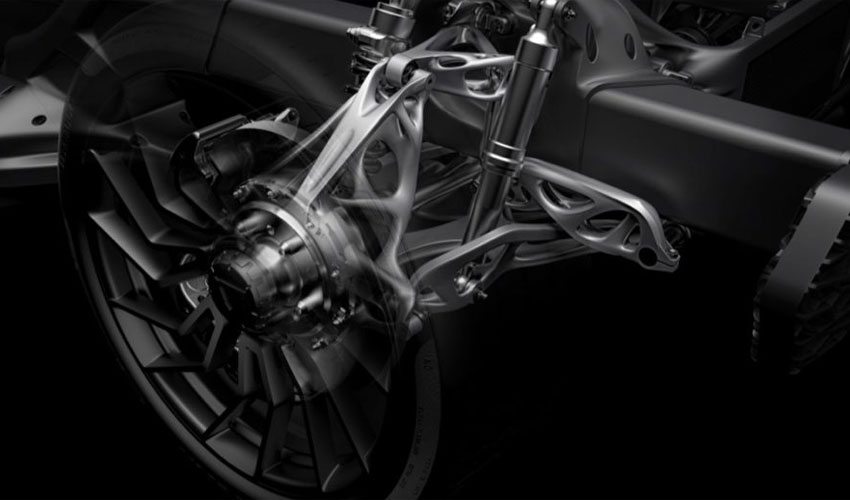 NewsThe growth of automotive additive manufacturingUS research firm SmarTech Publishing has just completed a new report on additive manufacturing in the automotive sector. It expects this market to reach $5.3 billion in 2023 in terms of revenue and $12.4 billion in 2028. A significant growth…
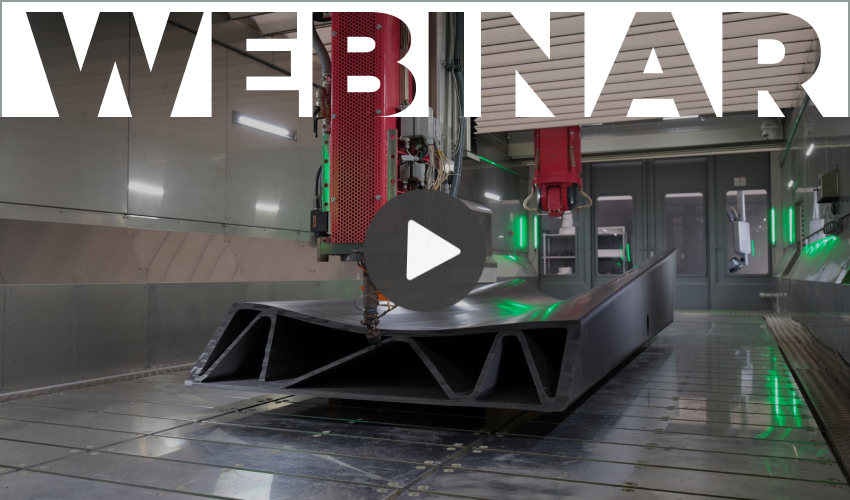 PrintersWEBINAR: From Challenges to Tangible Benefits – Optimise Time, Costs and Quality With Breton Genesi Large-Format 3D PrintingWant to explore the rapidly evolving field of large format 3D printing (LAM) with thermoplastics? Interested in seeing how the transformative potential of this technology for the manufacturing industry. Watch our webinar, “From Challenges to Tangible Benefits – Optimi
 NewsTop 5 Videos: Visiting Stratasys Headquarters in IsraelIt is once again Sunday, which means it is time for the week’s top 5 3D printing videos! First up, 3Dnatives visits Stratasys headquarters in Israel as part of an Inside 3D tour series. Next up, a steakhouse restaurant in…