News
The growth of automotive additive manufacturing
US research firm SmarTech Publishing has just completed a new report on additive manufacturing in the automotive sector. It expects this market to reach $5.3 billion in 2023 in terms of revenue and $12.4 billion in 2028. A significant growth…
- 3 min read
- News
- Six more stories
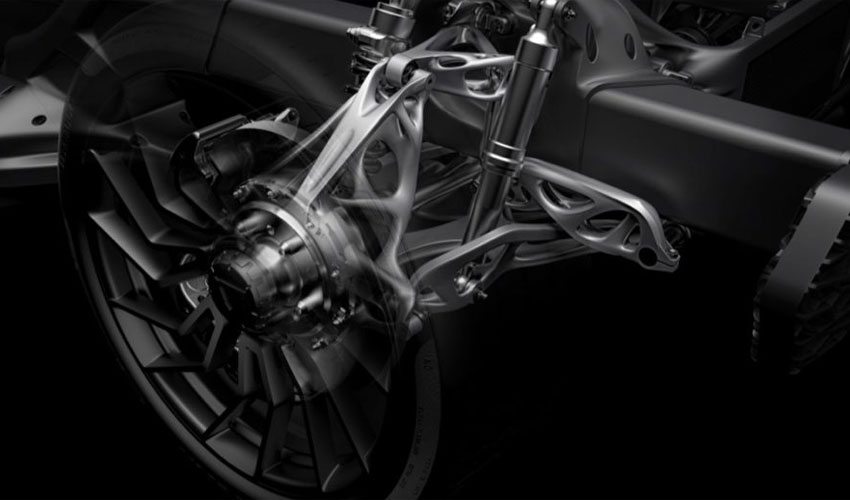
US research firm SmarTech Publishing has just completed a new report on additive manufacturing in the automotive sector. It expects this market to reach $5.3 billion in 2023 in terms of revenue and $12.4 billion in 2028. A significant growth that shows that more and more players are adopting 3D technologies to design parts, functional prototypes or tools. The study looks back at the main growth drivers and sources of revenue: additive manufacturing will most likely be used more for production purposes.
In 2015, SmarTech Publishing already released its report and estimated that the automotive additive manufacturing market would reach $1.1 billion in 2019, an annual growth of 25%. It seems that the dynamics will not change for the next ten years. However, the main source of revenue should be the production of finished parts, going beyond prototyping, tooling, and materials. Whether metal or polymer parts, they should represent $4.3 billion in 2028.
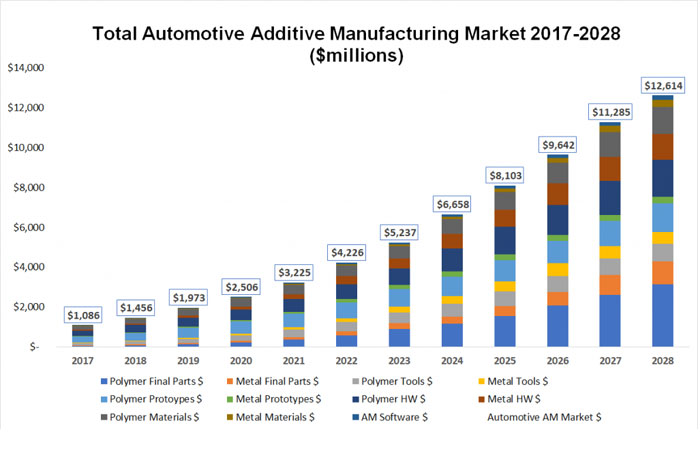
The automotive additive manufacturing market in 10 years
The growth of automotive additive manufacturing is confirmed
An estimate that can be confirmed by several trends and developments. For example, the arrival of HP in the additive manufacturing market, which, thanks to the technology, Multi Jet Fusion can create complex parts faster. If we look at additive metal manufacturing, the arrival of Desktop Metal or GE Additive has also turned the market upside down. At the same time, market leaders such as Stratasys, 3D Systems, EOS and EnvisionTEC have developed more efficient additive manufacturing solutions by seeking to turn to mass production. Also noteworthy is that Autodesk, Dassault Systèmes, and Siemens software solutions are helping to design automotive-optimized parts – General Motors recently partnered with Autodesk to reduce the weight of its electric car parts from the design phase.
More from the desk
Six other notes from the rest of the bench.
 NewsWhat are the benefits of 3D printing?What are the benefits of 3D printing? And why use it? A question with a seemingly obvious answer, since the media, companies as well as the general public seem to associate this technology with the 4th industrial revolution. There are…
 ApplicationsBIOLIFE4D successfully bio-prints human heart tissueBIOLIFE4D, a Chicago-based company that specializes in bio-printing and tissue engineering, recently announced that they have successfully bio-printed 3D human heart tissue. This is the first conclusive results since the $50 million fundraiser by the company last September. Bio-p
 MaterialsHarvard researchers develop multinozzle 3D printer that can switch between 8 inksYou might be aware that most commercial extrusion-based 3D printers are only able to build objects from a single material at a time. And when they do allow for multiple materials and colors to be used, the process is slow.…
 ApplicationsThales Alenia Space sends 3D printed pieces into orbitThere has been a recent trend in the construction of parts for satellites and other spacecrafts using 3D printing, and Thales Alenia Space is just another example of this increasing trend. Heading into the future at full speed, the company…
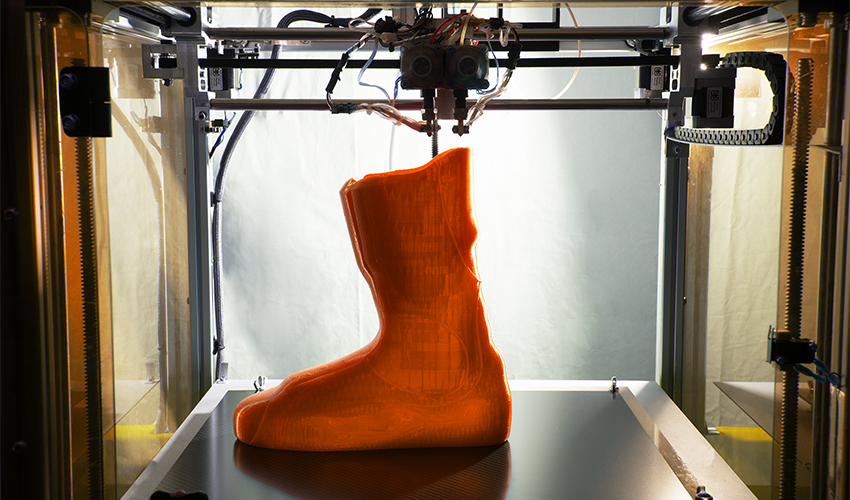 Guides#3DStartup: Tailored Fits moving forward on insolesThe demand for customised products is a growing market. One company that is catering to this demand is TAILORED FITS. Based in Switzerland the company was founded in 2016 and are using 3D technology to create custom insoles for you…
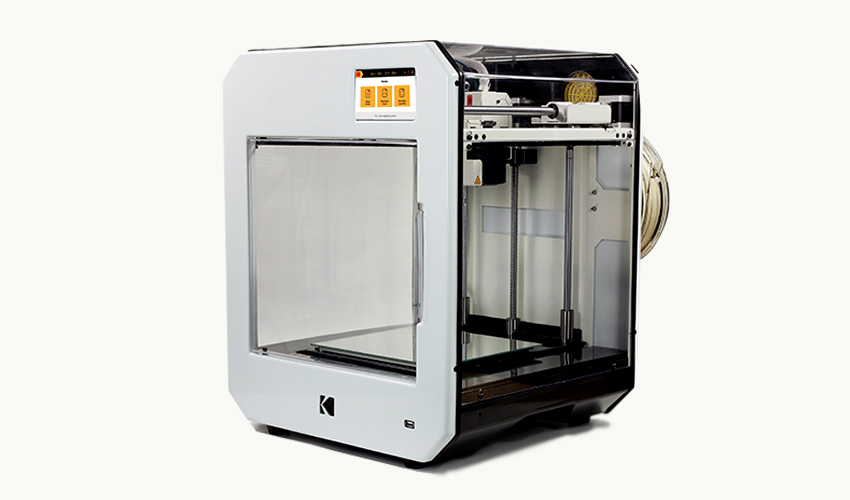 Printers3Dnatives Lab: Testing the KODAK Portrait 3D PrinterKODAK, the company that brought us the disposable and digital cameras entered the 3D printing market in 2018. With the launch of the Portrait, KODAK is officially competing in the market of desktop FDM 3D printers. It has to be…