Printers
Dyze Design on the Acceleration of 3D Printing through High-Speed Extrusion
The market for 3D printers continues to grow, and as machines become more reliable and faster, extruders, hotends and nozzles are now components that can limit the capabilities of a printer. The Canadian company Dyze Design wants to offer a…
- 3 min read
- Printers
- Six more stories
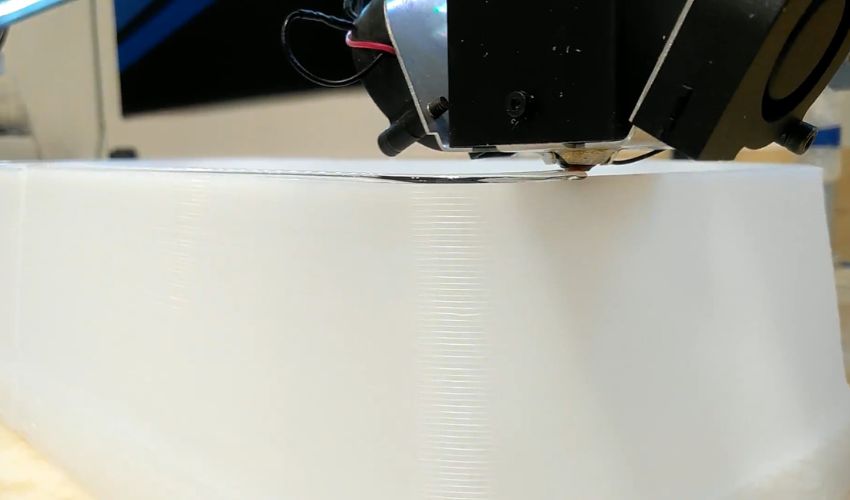
The market for 3D printers continues to grow, and as machines become more reliable and faster, extruders, hotends and nozzles are now components that can limit the capabilities of a printer. The Canadian company Dyze Design wants to offer a set of solutions adapted to a wide range of machines and has developed high performance extruders such as the Pulsar or the Typhoon. These extruders range from the standard FFF desktop to professional pellet solutions. By offering high speed printheads with anti-leakage systems, Dyze Design wants to ensure a fast, accurate and repeatable FDM printing process. We met with Xavier Geremia, Sales Representative & Account Manager at Dyze Design and had the opportunity to ask him a few questions to learn more about high speed printing and the role of pellets today.
3DN: Could you introduce Dyze Design?
Dyze Design is a Montreal-based company that develops, manufactures and markets components for 3D printers, mainly heating heads, extruders, sensors and other types of accessories that control the supply and deposit of raw materials. Our mission is to “empower people to create tools and things they need, where and when they want.” This mission is being met by developing products that improve the reliability and usability of 3D printers by enabling the printing of new materials.
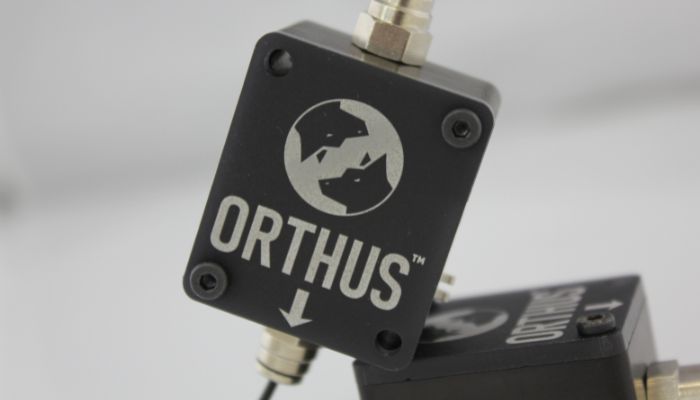
In addition to its extruders, Dyze Design offers various accessories like this filament sensor (photo credits: Dyze Design)
In a word, we want to become the “Intel Inside” of 3D printers: to position ourselves as the main supplier of extrusion systems for all printers operating on the principle of material extrusion (MEX), particularly at very high industrial throughput, which is aimed at both industry and robotics.
More from the desk
Six other notes from the rest of the bench.
 Guides3D Printed Silk Bio-Ink Shows Potential for Knee Meniscus RepairAt the intersection of medical biotechnology and additive manufacturing, a team of researchers from the Indian Institute of Technology Guwahati and West Bengal University of Animal and Fishery Sciences, Kolkata, have forged a path toward innovative knee injury treatment. Their&he
 GuidesCoastruction Dives Into Novel Solutions for 3D Printing ReefsOceans are key to the planet’s health, and that is why humans must protect them. Several companies have leveraged 3D printing technology to aid ocean conservation in recent years, and their work has been nothing short of innovative. Some common…
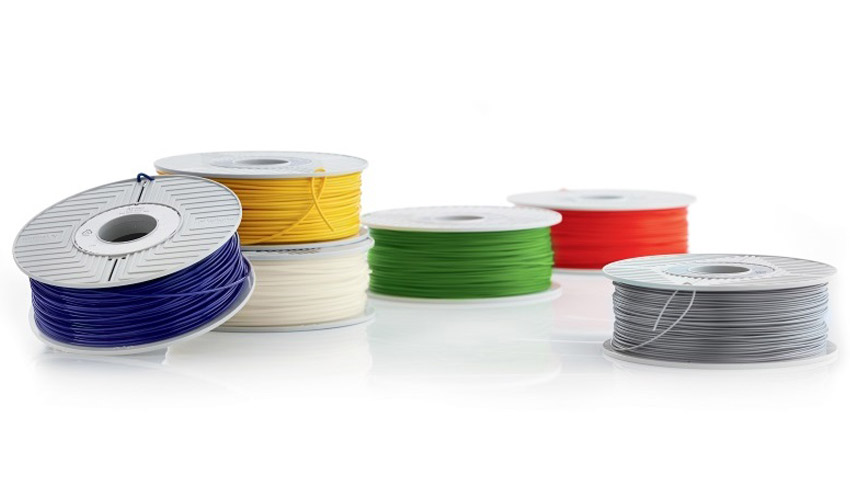 NewsVerbatim presents Durabio; an eco-friendly 3D printing filamentA subsidiary of Mitsubishi Chemical Corporation, Verbatim has announced the arrival of a new filament for FDM 3D printing made from Durabio’s eco-friendly material. This transparent material combines the properties of polycarbonate (PC) and polymethacrylate (PMMA). It has g
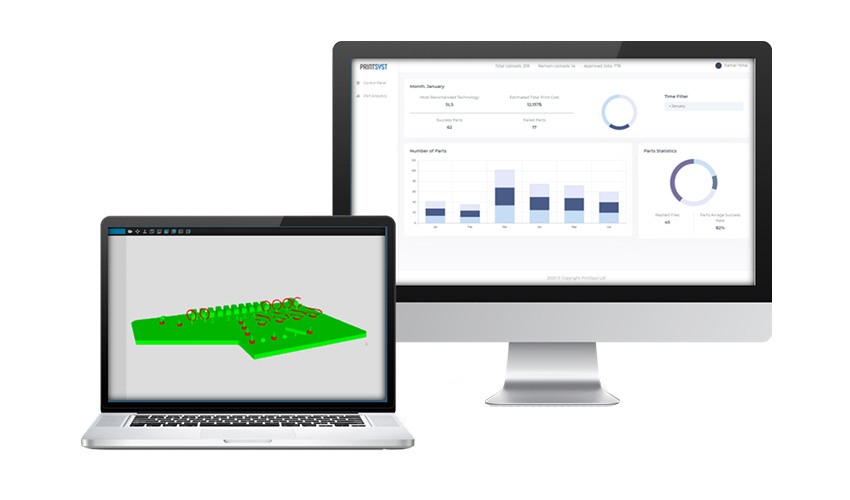 GuidesPrintSyst.ai proprietary AI engine enables 3D printing with confidencePrintSyst.ai is a startup that has focused over the last couple of years on developing artificial intelligence to solve the significant cost of the pre-printing processes in additive manufacturing. Today, analyzing parts before 3D printing is a crucial step that…
 News3D printing helps meerkats imitate wild behaviorIn the United States, the Cincinnati Botanical Garden and Zoo has partnered with GE Additive to use 3D printing on a project that could help certain animal species mimic wild behavior. Metal additive fabrication has played a key role in…
 PrintersEverything You Need to Know to Get Started With ArduinoThe open-source 3D printing maker community is ever-evolving as new tools innovate the space. One such tool is an Arduino— a programmable circuit board that is often referred to as a microcontroller. Arduino launched in 2005 as a tool for…