News
DOE Puts $45 Million Toward Additive Manufacturing Innovation
On the same day as the Biden-Harris administration’s launch of the American Climate Corps, a modern environmental reimagining of the New Deal-era Civilian Conservation Corps (CCC), the US Department of Energy announced a similarly green initiative. The DOE has outlined&hell
- 3 min read
- News
- Six more stories
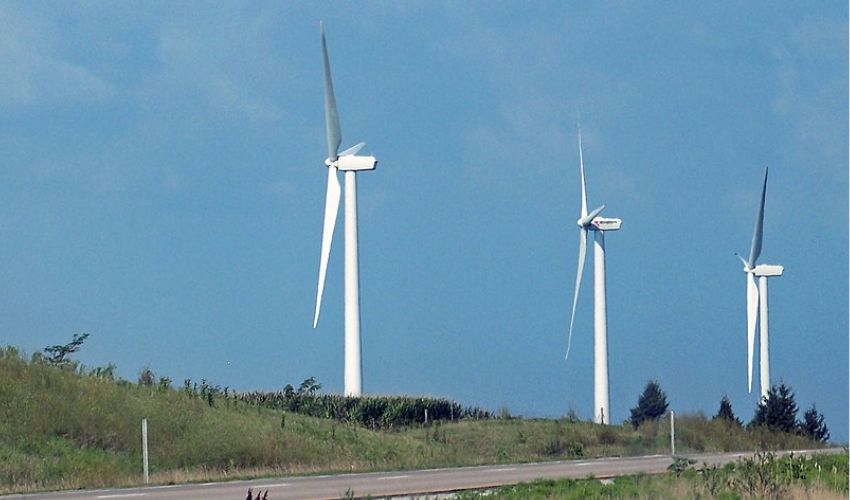
On the same day as the Biden-Harris administration’s launch of the American Climate Corps, a modern environmental reimagining of the New Deal-era Civilian Conservation Corps (CCC), the US Department of Energy announced a similarly green initiative. The DOE has outlined two sets of wind and water energy projects across the United States to jointly receive $45 million to focus research on large-scale domestic equipment manufacture and American clean energy supply chains. The growing focus on domestic sustainable energy has been pushing research towards additive manufacturing solutions, where the DOE’s Advanced Materials and Manufacturing Technologies Office (AMMTO) divided the $45m budget toward the research and manufacture of 3D printed hydropower technology, and the sustainable manufacture of wind turbine equipment through 3D printing.
The first of the projects to be granted this funding is being conducted by GE Research. Focusing on hydropower and additive manufacturing, the project consists of creating a suite of tools aimed at increasing efficiency and reducing waste with various additions to the suite such as robotic welding methods and a digital foundry. The project has been estimated to help reduce the production costs of hydropower machines by 20% and reduce their construction time by four months. The ongoing research hopes to support the metal 3D printing of large pieces that can all be made domestically.
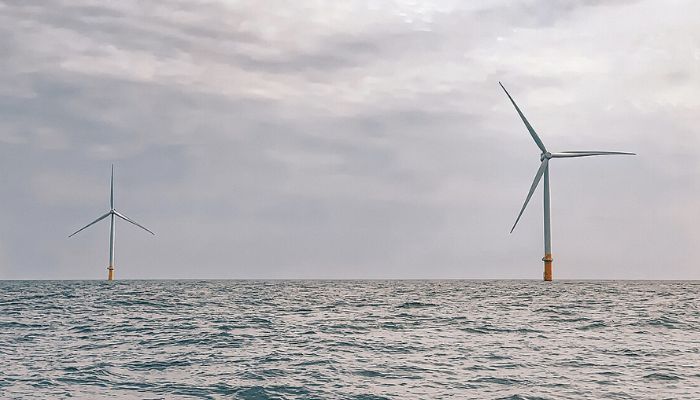
Offshore wind turbines off the coast of Virginia (Photo credits: BOEM-OPA via Flickr, CC-BY-2.0)
The second set of projects focuses on wind power, which fits in line with the administration’s energy goal of producing 30 GW of offshore wind energy by 2030. Split up between several universities, professional companies and national laboratories, the thirteen different participating projects are focused on one of the three areas of interest: The integration of additive manufacturing into the construction of large wind blades, the streamlining of AM practices for critical wind turbine components and the research and development towards the digitization, sustainability and modularization of wind blades and turbine components.
More from the desk
Six other notes from the rest of the bench.
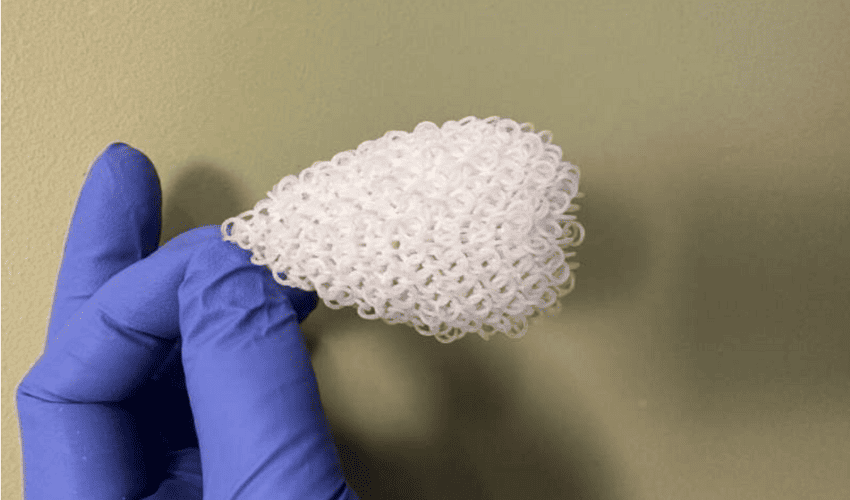 MaterialsResearchers Create Polycatenated Architected Materials (PAMs) for 3D PrintingRecent advances in materials science have led to new solutions in architecture and design. In a recent example, a team of researchers in California has developed polycatenated architectural materials (PAMs), which are capable of interweaving to form unique 3D structures.…
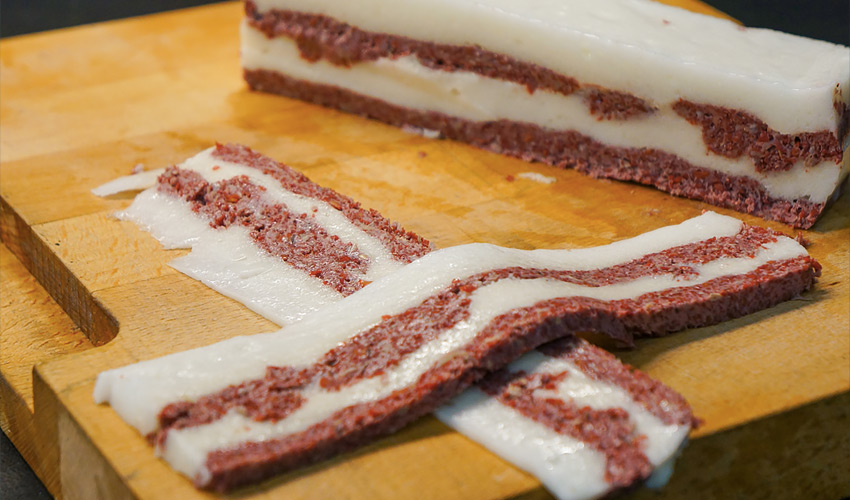 GuidesCocuus on the Integration of 3D Technology in Food ProductionToday, additive manufacturing is not only used for the creation of prototypes using thermoplastics. Advances in the development of new materials have allowed this technology to be implemented in a wide variety of sectors. This is also the case in…
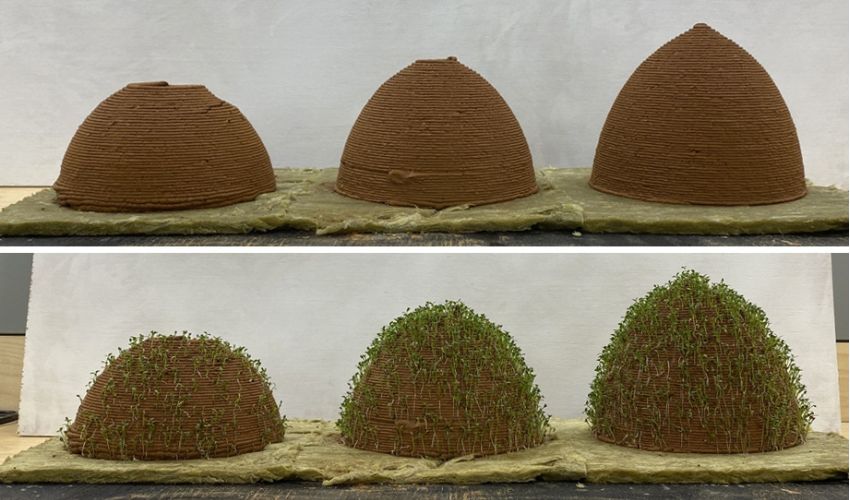 Materials3D Printing Can Be Done With Soil and Seeds3D printing in housing is usually done with concrete materials, but this produces homes which, while well-insulated, can be sometimes expensive and with interior temperatures which are difficult to regulate. Furthermore, concrete is not a particularly environmentally friendly mat
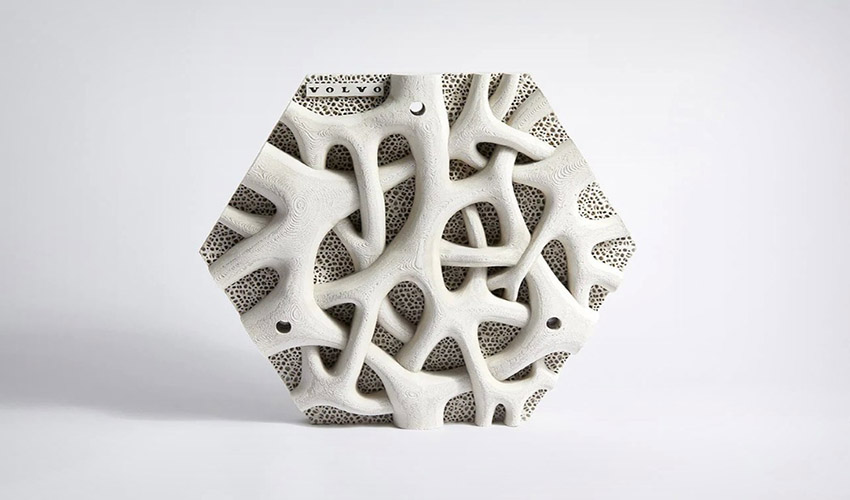 NewsVolvo 3D Prints Seawall Tiles To Save Oceans from Plastic PollutionThe Swedish car manufacturer, Volvo has partnered with the Sydney Institute of Marine Science and Reef Design Lab to develop the “Living Seawall”. This living seawall is in fact made up of 50 3D-printed tiles that mimic the root structure…
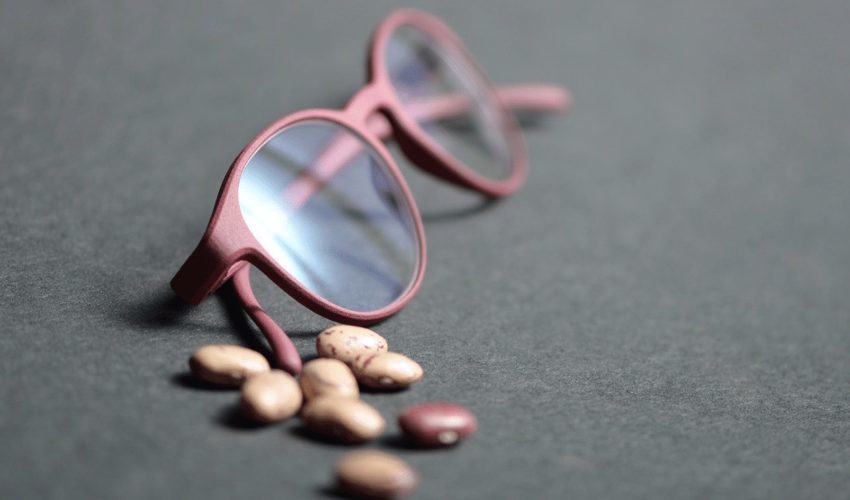 Materials3D Printed Castor Bean EyewearAustrian manufacturer, Rolf Spectacles, have developed a plant-based 3D printed eyewear collection using castor bean. Rolf’s latest collection, entitled substance, comes in six different colours and 23 different frame designs. Rolf is a family company based in Austria’s Tyrolean
 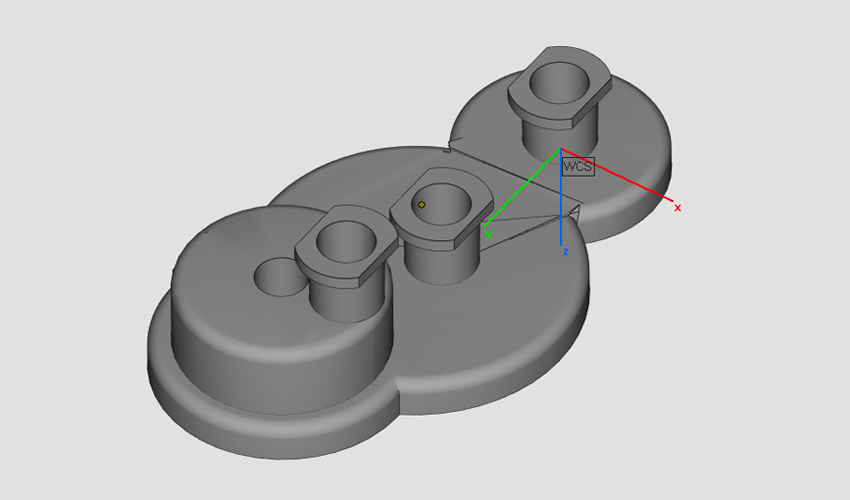 ApplicationsCan DLP Be Used in the Creation of Microfluidic Chips?Medical applications in 3D printing are vast and growing larger by the day. One that is increasingly important, but perhaps less discussed, centers on microfluidics. Microfluidic devices (microfluidic chips) have emerged over the past 30 years and have been rapidly…