Applications
Cadillac Showcases the Precision of 3D Printing with its CELESTIQ Model
General Motors (GM) has been using additive manufacturing for decades to accelerate vehicle development by creating functional prototypes. However, the company has taken it a step further by incorporating 3D printing into automobile production, particularly in low-volume models s
- 3 min read
- Applications
- Six more stories

General Motors (GM) has been using additive manufacturing for decades to accelerate vehicle development by creating functional prototypes. However, the company has taken it a step further by incorporating 3D printing into automobile production, particularly in low-volume models such as the Cadillac CELESTIQ. A few years ago, GM invested $81 million in additive manufacturing for the Cadillac CELESTIQ. Now, the vehicle has been unveiled with the integration of several 3D printed parts.
The CELESTIQ is a handcrafted luxury electric sedan designed to redefine the prestige of the Cadillac brand. This vehicle stands out for being one of the most customized ever manufactured by GM and for incorporating more than 130 3D printed components. The precision and versatility of this technology make it an ideal tool for creating unique, high-quality parts. Let’s take a look at the outstanding applications in this vehicle.
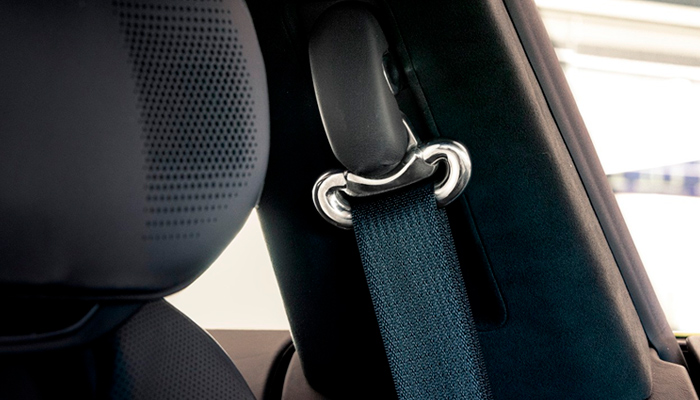
3D printed adjustable seat belt guide ring.
3D Printing on Cadillac CELESTIQ
One of the most representative elements is the flywheel hub, manufactured with laser powder bed fusion (L-PBF). This technique makes it possible to produce complex and resistant metal parts that would be impossible to create using traditional methods. The steering wheel part, in addition to being aesthetically refined, allows the integration of LED backlighting visible through the material, which reinforces the vehicle’s sense of sophistication. This component has become the largest metal part mass-produced by GM using 3D printing to date.
More from the desk
Six other notes from the rest of the bench.
 NewsThe Biggest 3D Printers at Formnext 2025The halls of Formnext are filled with exciting machines and eye-catching 3D-printed objects. Yet among the many innovations on display, it’s the giant 3D printers that inevitably command attention. These large-format additive manufacturing systems offer massive build volumes, sup
 ApplicationsWill 3D Printing Be Used for the First Commercial Mission to Mars?If you have been following along for a while, you certainly know that additive manufacturing is playing an important role in the aerospace sector and especially in space travel. Already it is being used for applications in missions to both…
 NewsWhat’s new at the 2020 AMUG Conference?This year, the annual AMUG Conference will take place in Chicago once again, from March 22 – 26! The Additive Manufacturing User Group association has been organizing this eagerly-awaited yearly conference since the 1990s. Once solely focused on the advancement…
 SoftwareHoudini for 3D Printing: The Best Techniques for Modeling and Error PreventionDeveloped by SideFX, a Toronto-based software company, Houdini is a powerful solution for 3D modeling, animation and special effects. The software is particularly well known for its procedural approach and is mainly used in the film and gaming industry, especially…
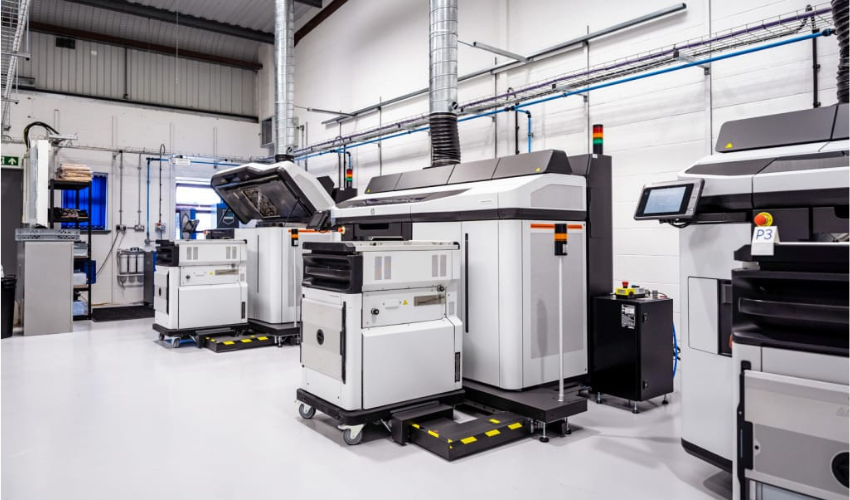 NewsMidlands 3D Unveils UK’s Most Automated Polymer 3D Printing FacilityIt was announced this month that Midlands 3D, a British company based in Stone, Staffordshire, has officially marked the opening of what is believed to be the most automated polymer 3D printing production facility currently operating in the United Kingdom.…
 MaterialsBraskem Unveils All-New Sustainable 3D Printing FilamentsThe Brazilian petrochemical firm Braskem recently announced the release of its first line of sustainable 3D printing filaments. The petrochemical company, which is based in São Paulo, is known for being the largest polyolefin producer in the Americas. A market…