Materials
EOS launches Digital Foam for 3D Printed Foam Applications
The foam industry has been slow to adopt 3D printing, however this is changing. To produce parts that are more comfortable, safer, lighter and can be customized for each customer, this sector is turning to additive manufacturing. Having identified this…
- 3 min read
- Materials
- Six more stories

The foam industry has been slow to adopt 3D printing, however this is changing. To produce parts that are more comfortable, safer, lighter and can be customized for each customer, this sector is turning to additive manufacturing. Having identified this need, and to simplify bringing foam-to-market, EOS is launching its Digital Foam program – a hub created by EOS to connect CAD, materials, part qualification and additive manufacturing.
In other words, rather than customers needing to solve these variables by themselves, Digital Foam will take care of this. It will give customers a fast-track to producing 3D printed protective headgear, individualized orthotics, or performance footwear, among dozens of other applications. In fact, during the last 80 years the foam industry has not evolved too much. Foam is used in many products, from comfort foam, which you’ll find in insoles or protective foam, which you’ll find in headgear, applications are wide-ranging. Foam is considered to be directly related to performance. Historically, the process is far from easy, it requires complex engineering and long cycle times to fully unlock its value.
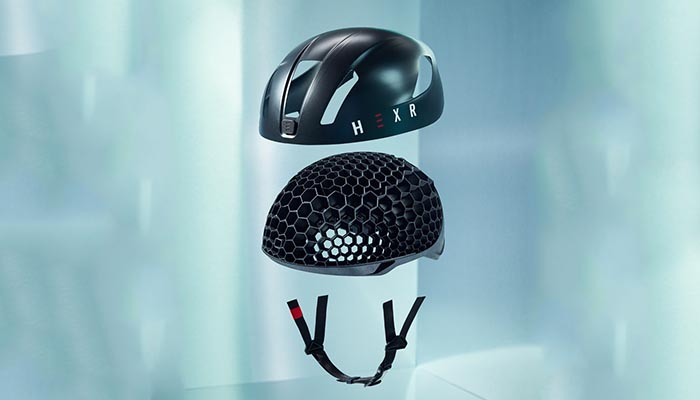
3D printed bicycle helmet | image via HERX
Using highly flexible polymer materials, like TPU or PEBA, 3D printing foam allows unprecedented fine-tuning of each voxel for superior comfort, safety, and performance characteristics. “The level of engineering required to produce, say, a safer football helmet is massive, but the benefits are equally massive for end users,” said Dr. Greg Hayes, senior vice president of applied engineering at EOS North America. “The Digital Foam program was designed to make those huge improvements much easier and less time-consuming for organizations.”
More from the desk
Six other notes from the rest of the bench.
 NewsResearchers develop 3D printing with sound waves3D printing has evolved in recent years. We know of examples such as the 3D printing liquid and 4D printing etc. Now Harvard researchers present us with their newest progress; 3D printing with sound waves. Based on acoustic or acoustic levitation they have been able to create&hel
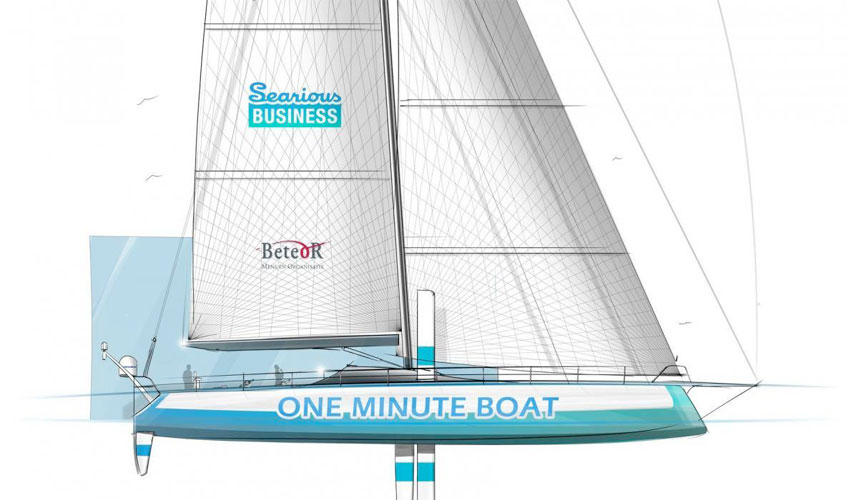 NewsSearious Business wants to 3D print a sailboat from plastic wasteWhile 3D printing is shaking up many industries, it is also changing the way we use materials today. It is increasingly interesting to various companies and associations in terms of plastic waste recycling. These can be transformed to create new 3D printing materials and…
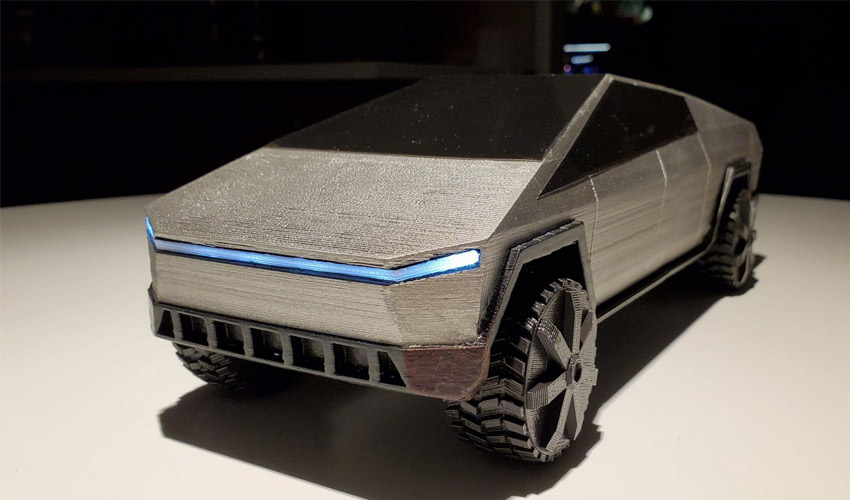 News3D print the Tesla Cybertruck directly at homeWhy not 3D print your own Tesla Cybertruck? A smaller model of course. This was the idea of designer Roger Kappler who created a small-scale 3D model of the famous pickup truck that should be released in 2021. He started…
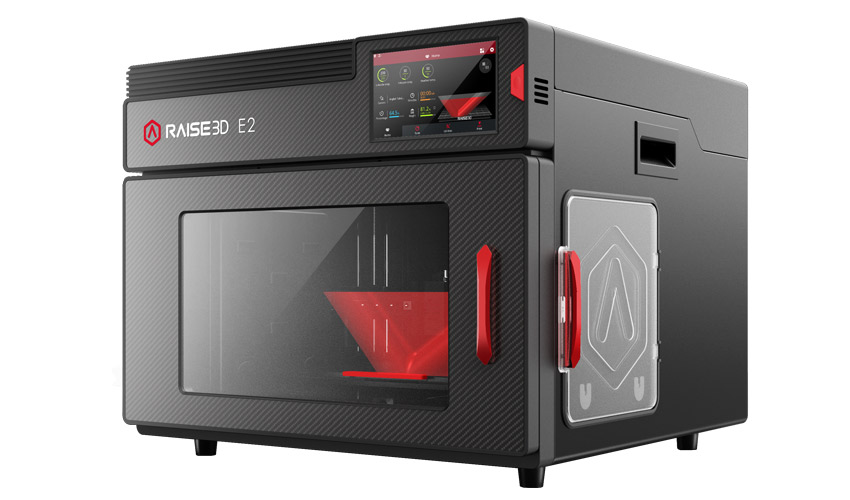 PrintersRaise3D unveils its new E2 3D printer for EducationAs we approach the TCT Show in Birmingham, one of the leading 3D printing events in Europe, some players in the sector are taking the opportunity to announce new products, innovative applications, etc. This is the case of the American…
 NewsThe Cabin of Curiosities – 3D Printed Hub !The American company Emerging Objects has recently revealed a 3D printed cabin, The Cabin of Curiosities, which is a building project that is a little out of the ordinary, with an exterior that looks more like a garden. At a time when…
 NewsMeet the Foodini, the Michelin-Star Approved Appliance Bringing 3D Printing to the KitchenBrothers, Javier and Sergio Torres, of the Michelin-starred restaurant, Cocina Hermanos Torres, have equipped their kitchen with the Foodini. The Foodini, is a 3D printing kitchen appliance developed by Natural Machines, a Barcelona-based food tech company. The device is the&hell