Applications
3D Printing Breakthrough Allows for the Detection of Milk Fever at an Early Stage
Milk fever is a widespread problem in agriculture that can have considerable economic and health consequences for cows and farms. One of the most common metabolic diseases in dairy cattle, in one study, milk fever was estimated to affect 50%…
- 3 min read
- Applications
- Six more stories
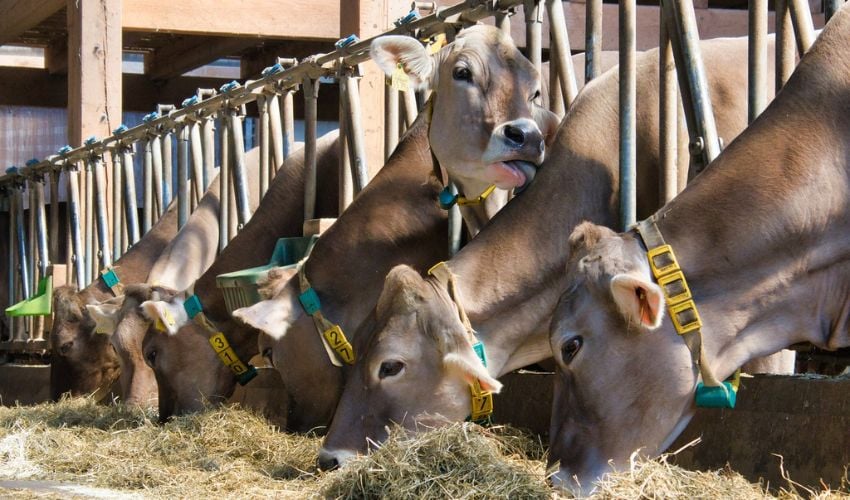
Milk fever is a widespread problem in agriculture that can have considerable economic and health consequences for cows and farms. One of the most common metabolic diseases in dairy cattle, in one study, milk fever was estimated to affect 50% of mature dairy cows and 25% of first-calf heifers. The disease occurs in lactating cows and leads to a reduction in the calcium level in the cows’ blood, which impairs vital functions such as muscle and nerve activity. Furthermore, it also reduces milk production, which can cause economic losses of up to $290 per cow or around $8000 for a Dairy Farm with 100 cows.
Until now, it has been difficult for farmers to diagnose milk fever, as typical symptoms are often not recognizable. This is now set to change, however, as a team of scientists at Virginia Tech has used additive manufacturing to develop a sensor that can detect milk fever in just ten seconds – a sustainable solution for agriculture and animal health.
The task of the sensor is to measure the concentration of calcium and phosphate in milk samples from cows. It was manufactured using polymer resin 3D printing technology, which was chosen for its cost-effectiveness and flexibility. The production process included layer-by-layer printing with UV curing to form microscopic surface structures and a gold coating using e-beam evaporation. The microscopically corrugated surface enables high sensitivity, and the sensor structure comprises a total of three electrodes, two of which serve as working electrodes.
More from the desk
Six other notes from the rest of the bench.
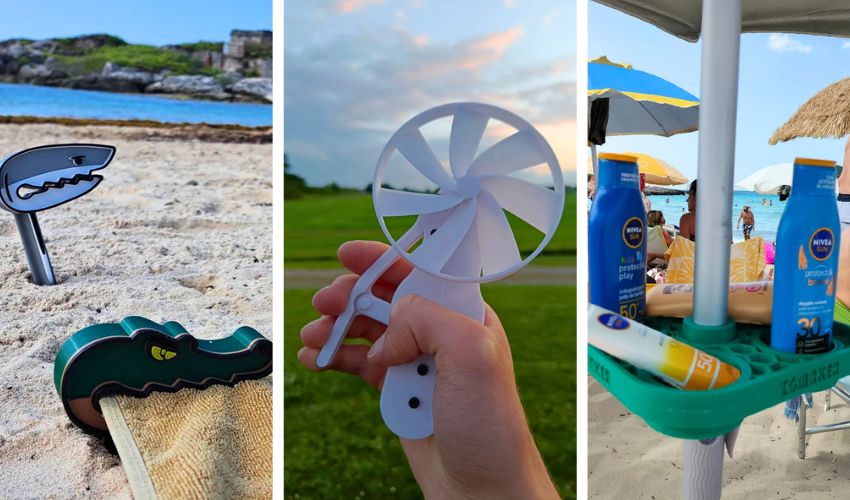 GuidesTop Gadgets to 3D Print For The SummerSummer officially arrived just a few days ago, bringing with it long evenings, beach trips, and time spent outdoors. Whether you’re spending a weekend by the water or just soaking up the sun in the backyard, a 3D printer can…
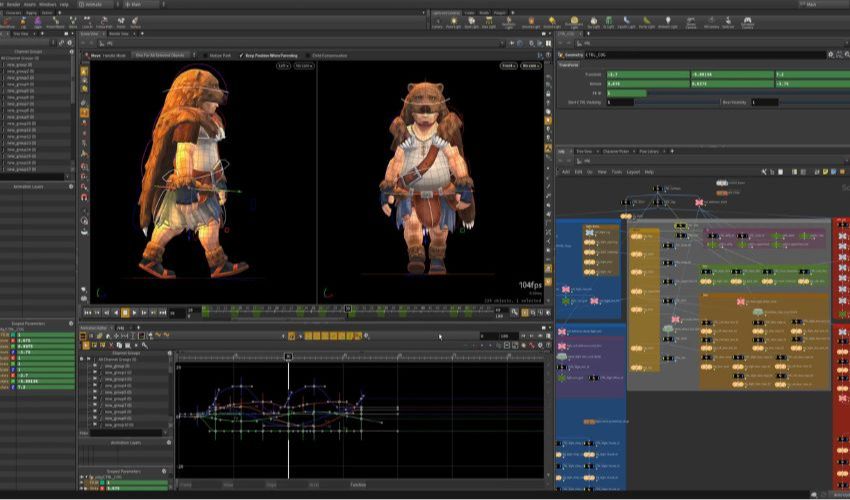 SoftwareHoudini for 3D Printing: The Best Techniques for Modeling and Error PreventionDeveloped by SideFX, a Toronto-based software company, Houdini is a powerful solution for 3D modeling, animation and special effects. The software is particularly well known for its procedural approach and is mainly used in the film and gaming industry, especially…
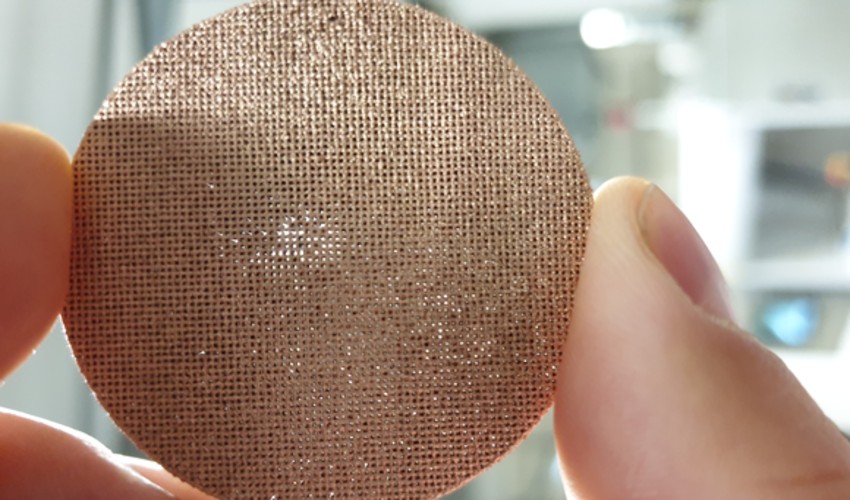 NewsA new 3D printed antiviral material to fight against Covid-19Though Covid-19 has plunged the world into an unprecedented health crisis, it has at least allowed additive manufacturing to show the general public what benefits it can bring to society. Since the beginning of the pandemic, innovations to fight against…
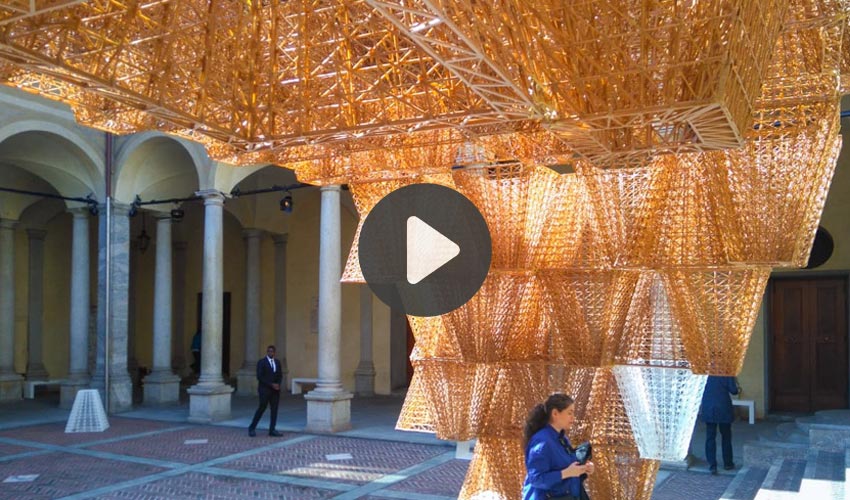 NewsTOP 5 VIDEOS: Conifera 3D printed art piece, 3D printed robot …We found the TOP 5 VIDEOS of the week about 3D printing and the way additive manufacturing is shaping and changing our society. If you enjoy these, you can view even more 3D printing videos on our Youtube channel. Hope you’ll enjoy…
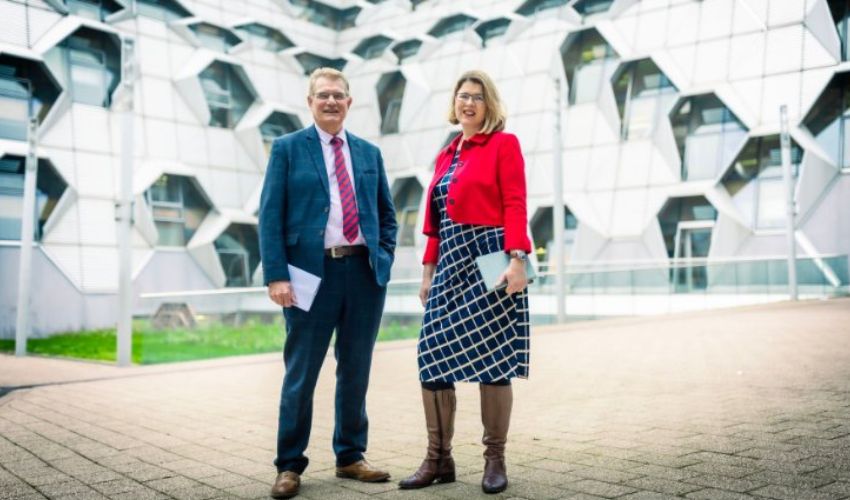 NewsCoventry University’s £5 Million Lab To Include Metal 3D Printing TechnologiesAdditive manufacturing is in some ways less developed in the UK than in other countries. In the UK, only 17% of companies have any experience with additive manufacturing, in sharp contrast to Germany with 37% and China’s 24%. According to…
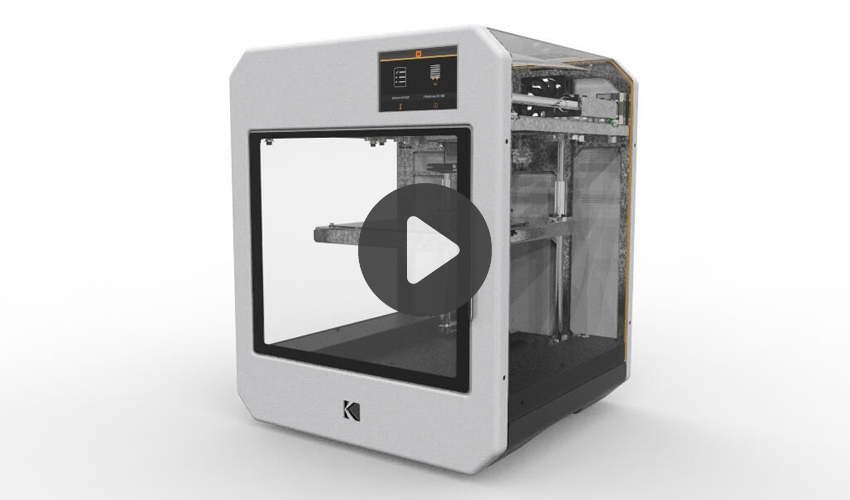 NewsTOP 5 Videos of the Week: Kodak, Makerbot, & more!This week’s Top 5 Videos of the Week contains a variety of interesting videos published in the last seven days. Since there were a number of exciting videos posted from large companies in the 3D printing industry this week, we…