News
How Did a 3D Printing Error Turn Into Gecko-Inspired Anisotropic Structures?
What if a 3D printing defect could become the key to developing a new technology? This is the proposal of a group of researchers at Hanyang University in South Korea, who took advantage of overcuring to create adhesive surfaces inspired…
- 3 min read
- News
- Six more stories
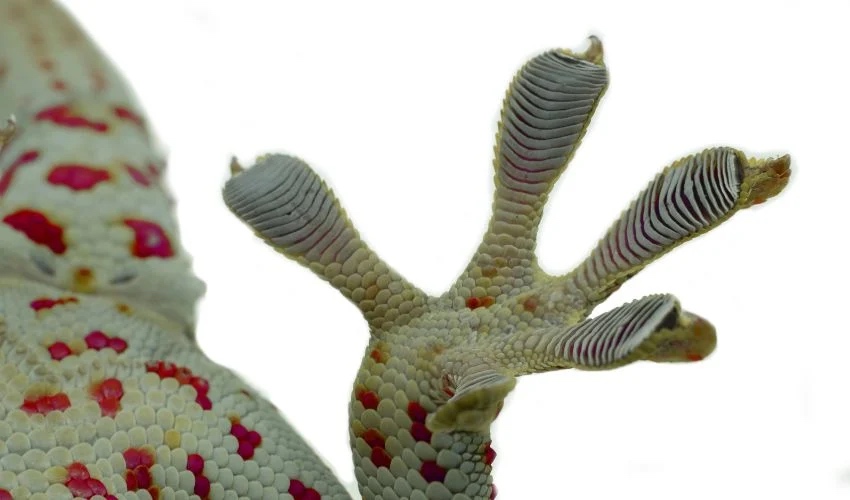
What if a 3D printing defect could become the key to developing a new technology? This is the proposal of a group of researchers at Hanyang University in South Korea, who took advantage of overcuring to create adhesive surfaces inspired by geckos. Using the DLP process, they have managed to replicate anisotropic structures similar to those of the legs of these reptiles, known for their ability to adhere to and detach from surfaces.
The hope is that these structures could be useful for applications like soft robotics, biomedical devices and systems that serve to manipulate objects. The study was published in the journal Mirosystems & Nanoengineering and involved several departments at the Korean university.
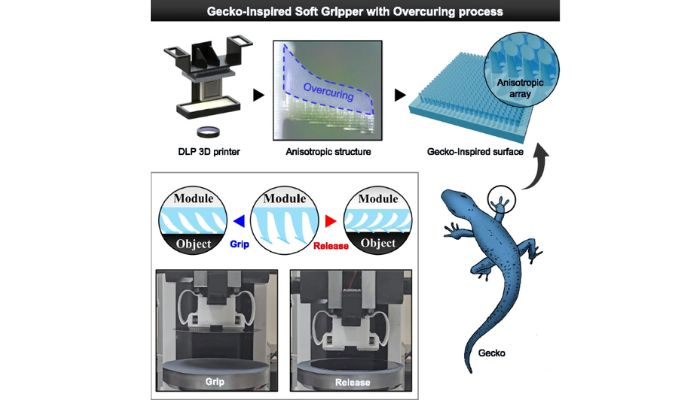
Explanation of the process for obtaining and testing anisotropic structures (photo credits: Kim, S., Kim, J., Seo, S. et al.).
For those who don’t know, the DLP 3D printing process involves selectively solidifying resins using light. However, one of its main challenges with it is overcuring, which occurs when the light reaches further than expected and hardens the part in unwanted areas. Normally, this is considered a defect as the accuracy of the structure is altered.
More from the desk
Six other notes from the rest of the bench.
 NewsTop 5 Videos: Fixing the Faulty Bambu A1 3D PrinterWelcome to our compilation of this week’s most compelling 3D printing highlights. We kick off this week’s edition with a video from Adam Savage’s Tested explaining how to fix the faulty heatbed cable connection on the Bambu A1 after its…
 Printers#3DStartup: Addimetal and Its More Repeatable and Reliable Metal Binder Jetting SolutionThe metal additive manufacturing market has been booming for some years now. A number of processes and materials fall under the umbrella, not the least binder jetting, which is becoming increasingly popular in a wide range of industries. Among the…
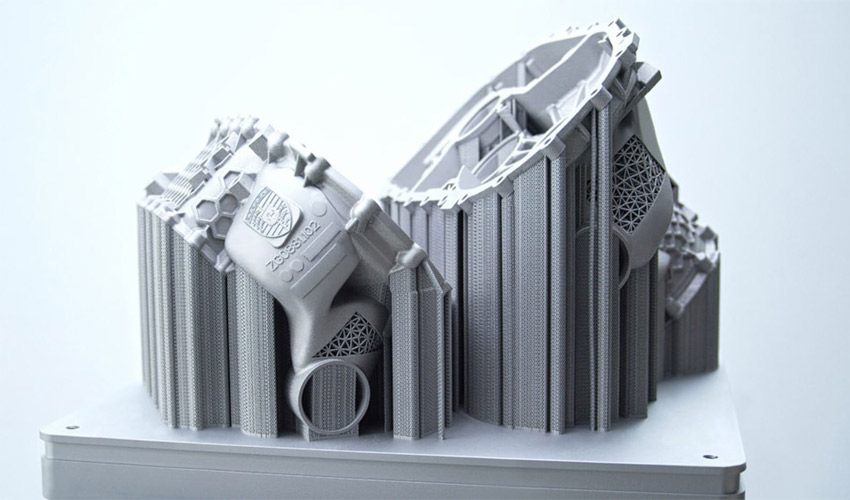 NewsPorsche Present 40% Lighter 3D Printed Electric Drive HousingThe car manufacturer Porsche has just unveiled its first complete housing for an electric engine thanks to additive metal manufacturing, or more precisely, thanks to SLM Solutions’ new machine, the NXG XII 600. Still in the prototype stage, the part…
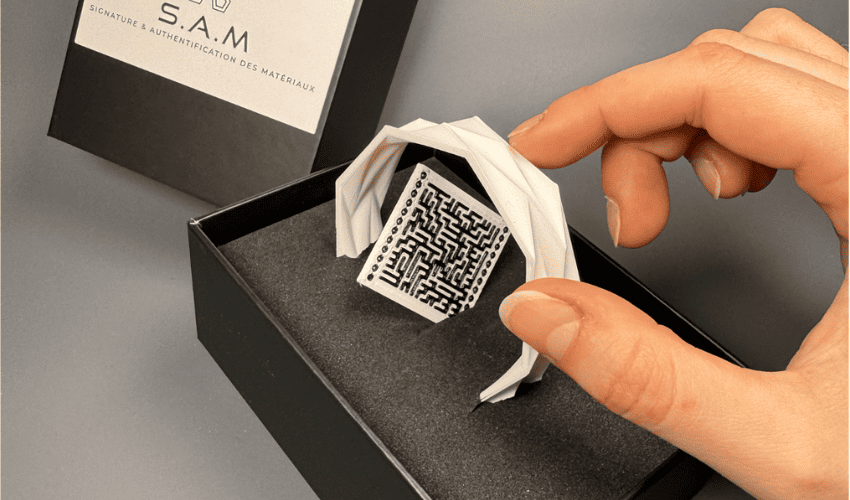 Guides#3DStartup: S.A.M Develops Solution to Protect Personal Data with 3D PrintingFounded at the end of 2022, S.A.M (Signature & Authentification des Matériaux) is a young French company born of the encounter between materials science and digital technology. Established by two researchers, S.A.M’s mission is to fight counterfeiting and protect sensit
 NewsWorld’s first 3D printed community project aims to be a solution to homelessnessVulnerable populations are usually the last to benefit from innovation” writes Fuseproject, the design studio based in San Francisco. In fact, they recently announced they have joined New Story on their mission to end global homelessness. According to the studio,…
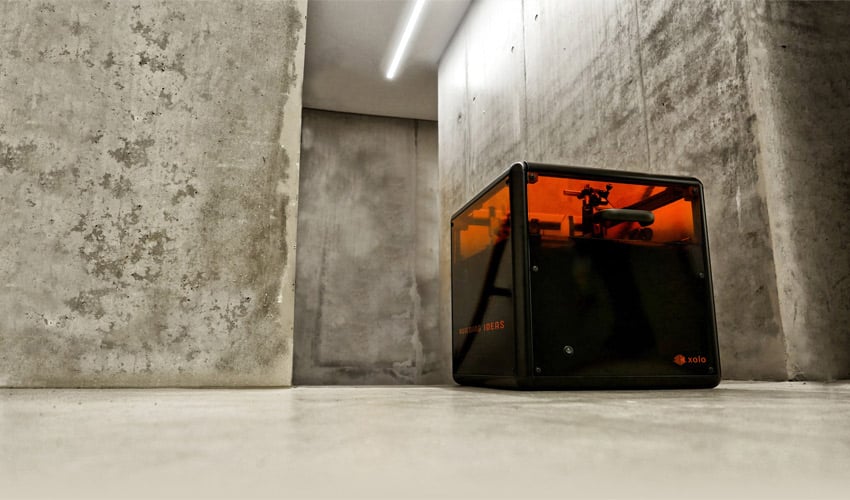 Printersxube Produces Resin Parts in 20 Seconds Thanks to Volumetric 3D PrintingGerman startup Xolo has just unveiled its new 3D printer, called xube, which is based on volumetric additive manufacturing, a much faster method than traditional resin processes. xube is said to be able to construct parts of the smallest size…