Applications
Dental Labs are Overcoming Challenges Thanks to Additive Manufacturing
For some time now, it has been clear that the dental laboratory business has experienced a notable shift, with even more change yet to come. Valued at $31.13B according to a report from Future Market Insights, it is expected to…
- 3 min read
- Applications
- Six more stories
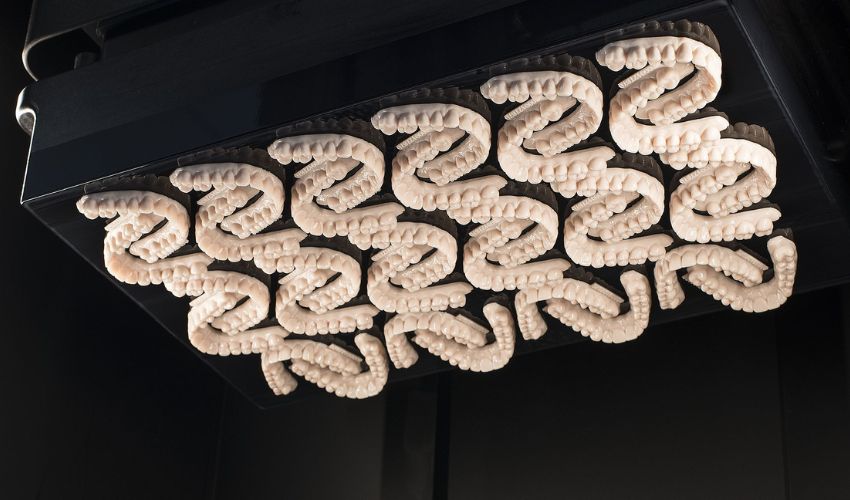
For some time now, it has been clear that the dental laboratory business has experienced a notable shift, with even more change yet to come. Valued at $31.13B according to a report from Future Market Insights, it is expected to grow rapidly in the coming years, not the least because of a rapidly aging population. Currently, the growth of the U.S. population aged 65 years or older exceeds that of the total population as well as that of the population under 65 due to lower birth rates and increased longevity in the United States and around the world. This, of course, is expected to drive demand for various dental products, such as dentures, in the coming years. However, before dental labs will be able to truly take advantage of this opportunity, there are a number of challenges that they must first address, which they can do through the adoption of additive manufacturing.
Dental labs are facing obstacles to growth not just on the market level but also on a smaller scale. In terms of industry, there are two major trends they must address. The first is the increase in competition as a result of increased lab consolidation at a time when the market is expected to grow rapidly after several years of decline. To benefit from the growth of the industry and rise above other labs, it is necessary for dental labs to find a way to become competitive in a saturated market.
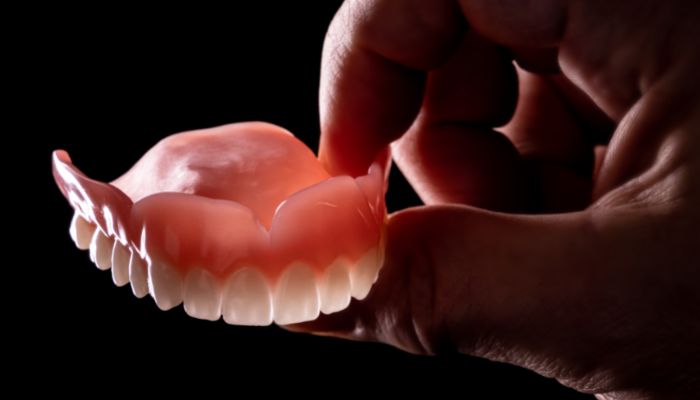
3D printed dentures like the one pictured can be customized for the patient and made more quickly than many traditional methods
Another trend is a lack of skilled labor in the dental industry. According to the United States Bureau of Labor Statistics, between 2007 and 2017, there was a 20% decrease in the number of dental technicians in the US, dropping from 44,530 to 35,630. And this trend has only increased, especially after the COVID-19 pandemic. This of course means fewer people able to work on dental products, meaning an automated, hands-off digital process is increasingly necessary.
More from the desk
Six other notes from the rest of the bench.
 ApplicationsScientists in Canada are Developing a Bioink that Simulates Lung Tissue3D bioprinting continues to evolve as a promising tool in the field of personalized medicine. With this in mind, researchers at McMaster University in Ontario have developed a new bioink that mimics the mechanical and structural properties of lung tissue.…
 NewsCan 3D printing help rescue natural reefs?Environmental issues are becoming more and more unavoidable and the degradation of natural reefs is one of them. Natural reefs are vital for the well-being of our planet for they are one of the most varied ecosystems on Earth. However,…
 ApplicationsLife-Size 3D Printed Medical Model For Nasal Swabbing TrainingAdditive manufacturing has been playing an increasingly important role in the medical sector for years now. From advanced surgical procedures to cosmetic dentistry, physicians and medical support staff in nearly every field of medicine have seen the benefits of 3D…
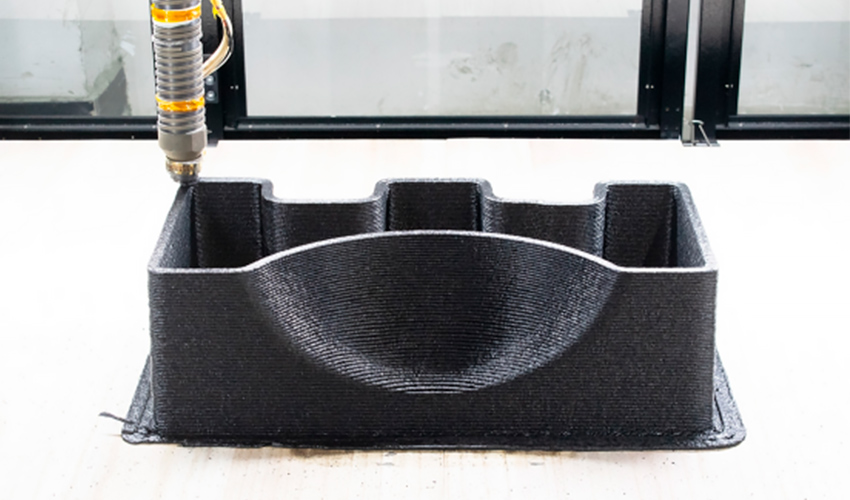 PrintersIEMAI3D and ISANMATE Advance Carbon Fiber Materials for 3D PrintingInterest in carbon fiber composite materials in 3D printing has increased considerably. According to a study published by Market Research & News, the market for carbon fiber composite materials for 3D printing is expected to register significant growth in the…
 NewsEvent Features at RAPID + TCT Make It Much More Than a Trade ShowAdditive manufacturing is known for its robust community, reflected with the many get-togethers and events that dominate different seasons. But with the main event season rapidly approaching, it can be difficult to know what you can expect from each show.…
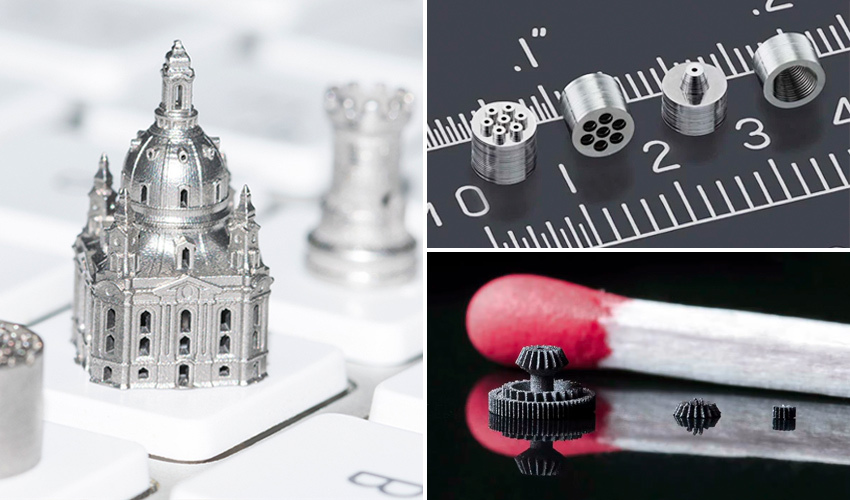 GuidesThe Best Micro 3D Printing Solutions On the Market3D microprinting, also known as micro-scale printing, is a micro-fabrication technique that allows the design of very small sizes, at the micrometer scale and below. Particularly popular in the electronics industry, it is growing steadily, with more solutions available on…