Applications
Daimler Truck & Buses: Making Additive Manufacturing a Strategy for the Future
Additive manufacturing is becoming an increasingly popular production method in the automotive and transportation sectors. Many automotive manufacturers have already firmly anchored 3D technologies in their corporate structure, and the railway industry is also increasingly relyin
- 3 min read
- Applications
- Six more stories
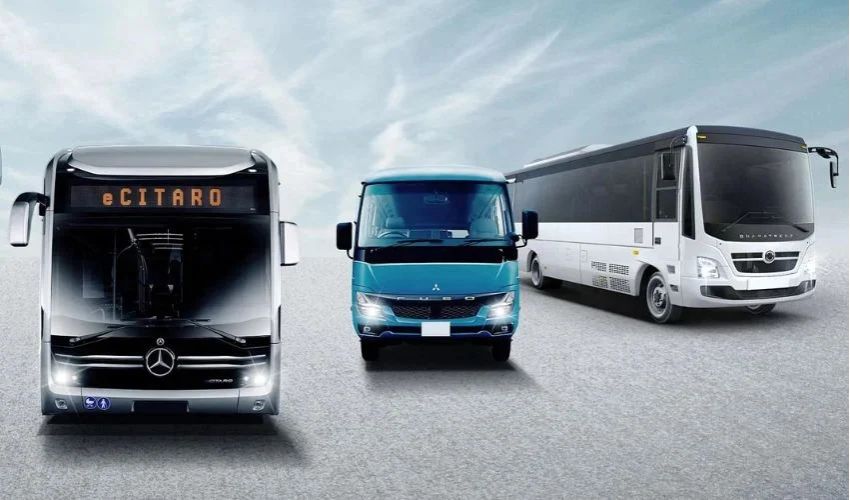
Additive manufacturing is becoming an increasingly popular production method in the automotive and transportation sectors. Many automotive manufacturers have already firmly anchored 3D technologies in their corporate structure, and the railway industry is also increasingly relying on parts created using a 3D printer. And it is not just used for prototyping, either. Companies are using AM to manufacture individual parts, tools and systems, as well as mass production of specific components. For some companies, additive manufacturing has been a game-changer, enabling flexible, demand-driven production and bold innovation. Other companies have reservations about 3D printing and have not yet leveraged its potential.
Daimler Truck & Buses is one of the companies that has recognized the benefits of additive manufacturing, actively employing it for its own needs. It is now an integral part of the company’s strategy and a cornerstone of implementing a digital business model. In this interview, Daniela Rehm and Ralf Anderhofstadt from Daimler Truck & Buses tell us about their journey to implement 3D printing within the company, the milestones they have achieved and their next big goals.
3DN: Can you introduce yourselves and explain your work at Daimler Truck & Buses?
Daniela: My name is Daniela Rehm. In our 3D printing technology center, I head up product management and marketing activities for additive manufacturing within Daimler Buses. In our consulting unit, I coordinate key account management for central sales activities.
More from the desk
Six other notes from the rest of the bench.
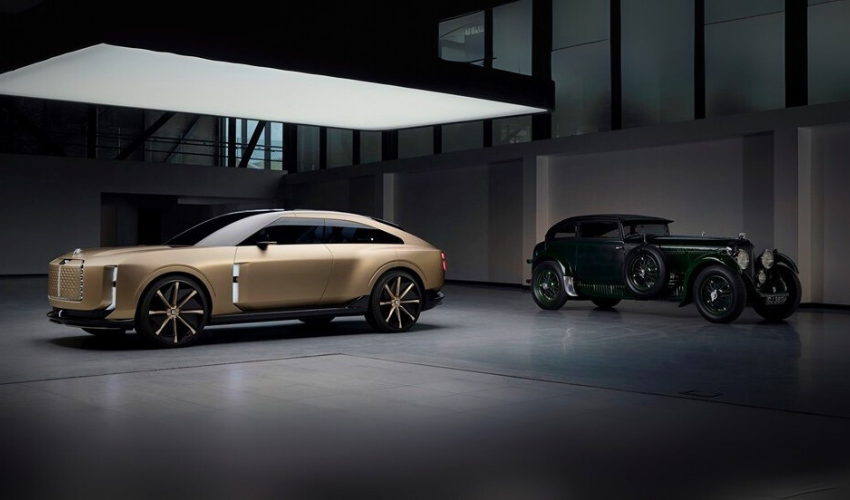 ApplicationsBentley Blends Heritage and 3D Tech in EXP 15 Concept CarBentley Motors has unveiled its EXP 15 concept, a digital project that captures both the spirit of the brand’s Grand Tourer roots while also pushing towards a future defined by sustainability, additive manufacturing, and electrification. The company recently revealed the…
 NewsNano Dimensions Technologies Ltd. announces patent for BioprintingYou may remember Nano Dimension from our interview we did with them not too long ago, but since our interview it looks like they have been hard at work to bring 3D printing to the next level through 3D Bioprinting.…
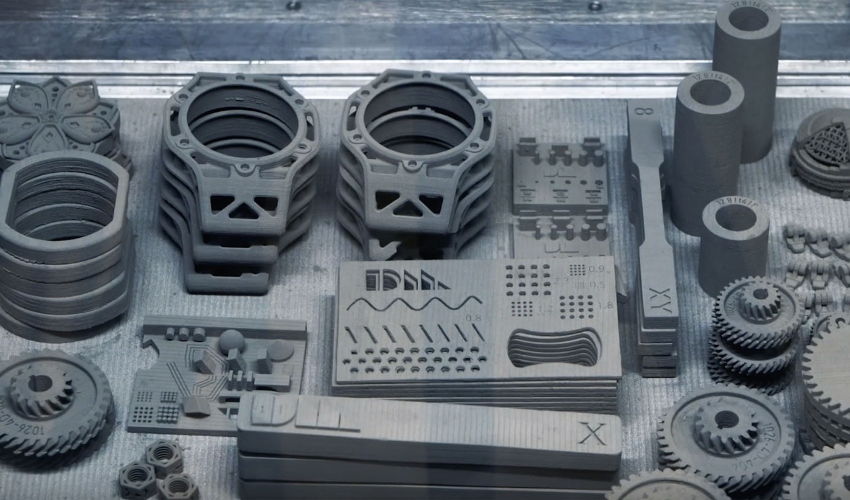 NewsFord and HP Use Recycled 3D Printing Materials to 3D Print New Auto PartsAfter the decision to once again turn to 3D printing for its manufacturing processes, Ford has joined forces with HP. The pair are set for an industry first, turning used 3D printed parts and powders into injection molded auto parts.…
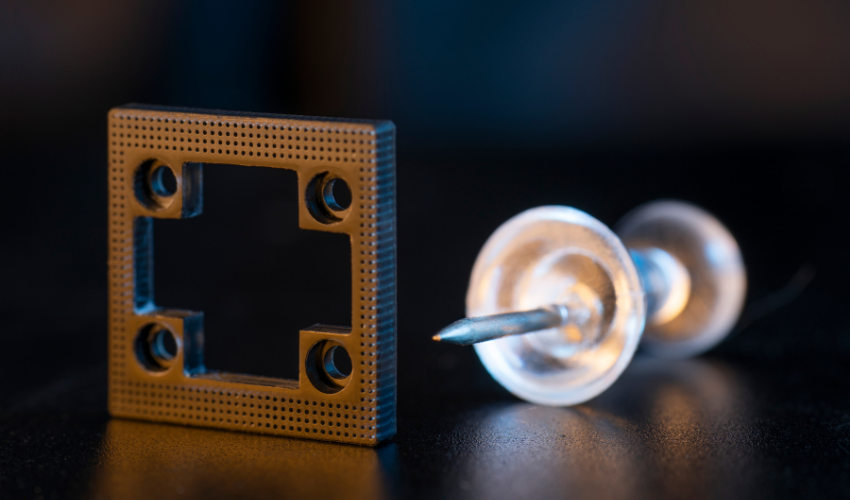 GuidesBoston Micro Fabrication Talks Micro-Scale Printing Using StereolithographyAdditive manufacturing continues to evolve, though rather than getting bigger, this time it’s getting smaller, microscopic even. Boston Micro Fabrication (BMF), based as the name suggests in Massachusetts in the United States, is known for their high precision micro 3D&hell
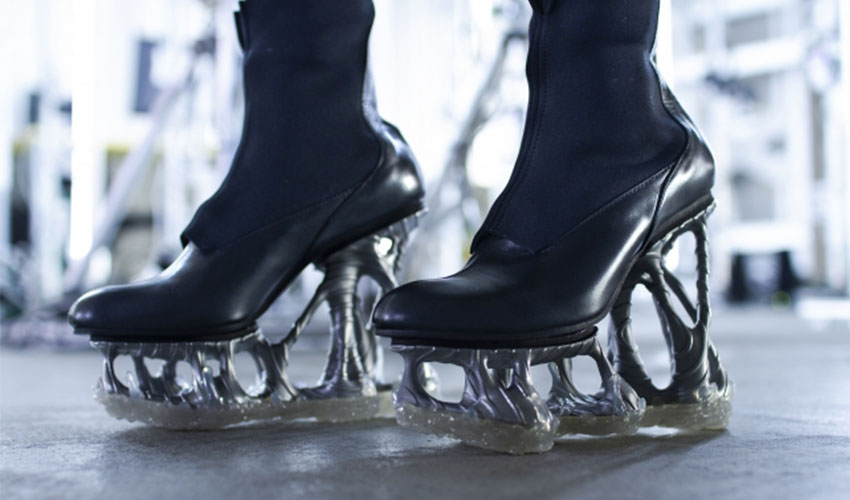 NewsFormless Generative Design Heels from JapanThe Japanese design lab, Digital Artisan has partnered up with chemicals company, JSR Corporation and Castem, a manufacturer of precision casting parts to create the ‘Formless’ high heel shoe using the M2 3D printer from Carbon. Director of Digital Artisan,…
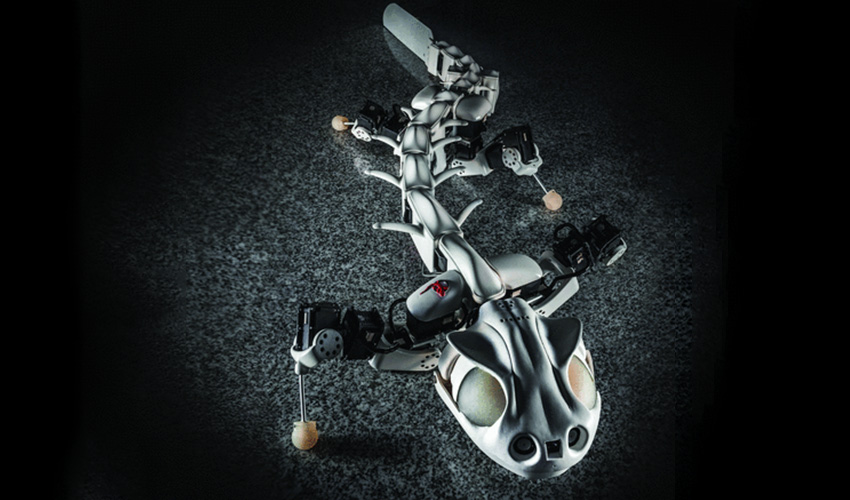 GuidesBiorobotics; creating robots that mimic the movements of natureBiorobotics is a laboratory that specialises in the development and study of biorobots that reproduce the mobility of different animals. The goal of their developments is to reproduce certain animal movements. All while gaining the capacities to learn from them and…