Materials
The Complete Guide to 3D Printing Composites
In recent years, composite 3D printing has grown rapidly in popularity. In a composite material, at least two different materials are joined together with separate purposes. One material serves as the matrix and is intended to maintain the structure, while…
- 3 min read
- Materials
- Six more stories
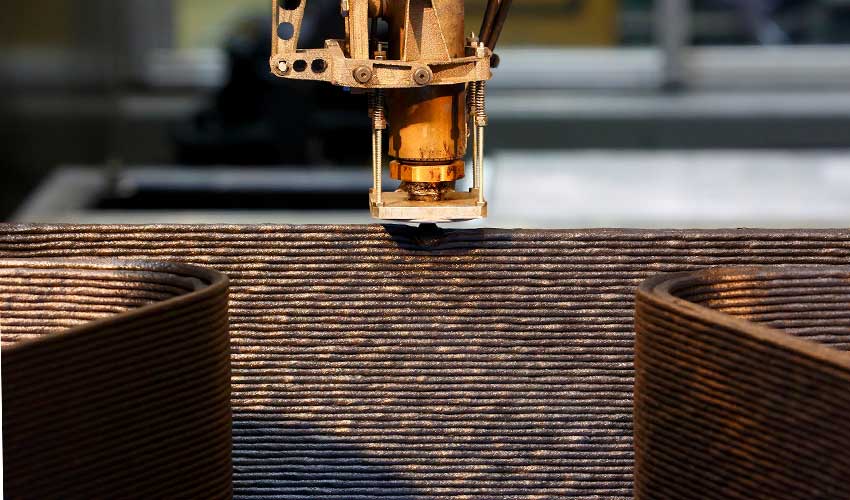
In recent years, composite 3D printing has grown rapidly in popularity. In a composite material, at least two different materials are joined together with separate purposes. One material serves as the matrix and is intended to maintain the structure, while the other provides additional properties as a reinforcing material. In fact, the goal of composites in general is to add new properties or characteristics while also overcoming certain drawbacks of the original material (which is the matrix). For example, it is possible to give the material better mechanical properties, flame retardancy, more stability, resilience, etc. Composites can be distinguished as a whole on the basis of their material characteristics (metallic, mineral, ceramic, organic) or on the basis of their geometry.
There are a few different forms of composites including: particle composites; fiber composites (short fiber, long fiber, continuous fiber ); layered composites; and impregnated composites. Out of these, fiber composites are those most often seen in 3D printing. Fiber composites are particularly popular in materials engineering because they allow materials to be reinforced in certain directions. Probably the most popular on the market is carbon fiber, followed by glass fiber, which are also the most commonly used in additive manufacturing. Carbon fiber’s popularity as well stems from the fact that it has one of the highest strength-to-weight ratios. This allows for strong but light parts, ideal for industries like aerospace.
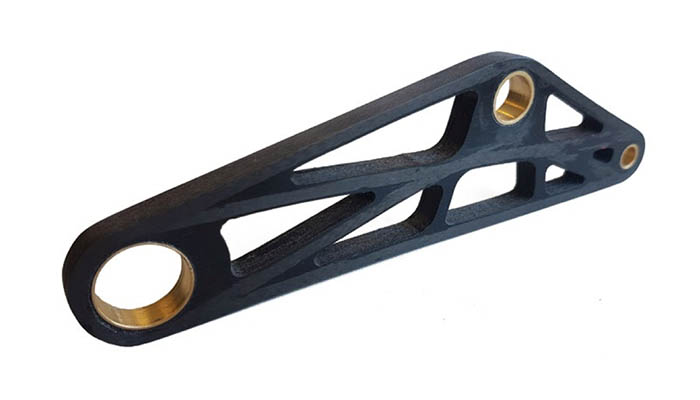
A 3D printed part using carbon fiber reinforcement, resulting in higher strength-to-weight ratio and less material consumption (photo credits: 9TLabs)
Properties of Composite Materials in 3D Printing
Composites are extremely beneficial when making lightweight yet strong parts. The fibers add strength to a part without adding weight. As mentioned, there are two types of reinforcements, short fiber or continuous fiber. In the first case, chopped fibers, which consist of segments less than a millimeter in length, are mixed into traditional thermoplastics to increase the stiffness and to a lesser extent the strength of components. Chopped fibers can be mixed with thermoplastics such as nylon, ABS or PLA. Every manufacturer will add and blend a different amount of short fibers to its plastic polymer, resulting in filament spools of different strengths. You should also be aware that print quality will be impacted by the quantity of chopped fibers. Above a certain threshold, the 3D printed part will lose in surface finish.
More from the desk
Six other notes from the rest of the bench.
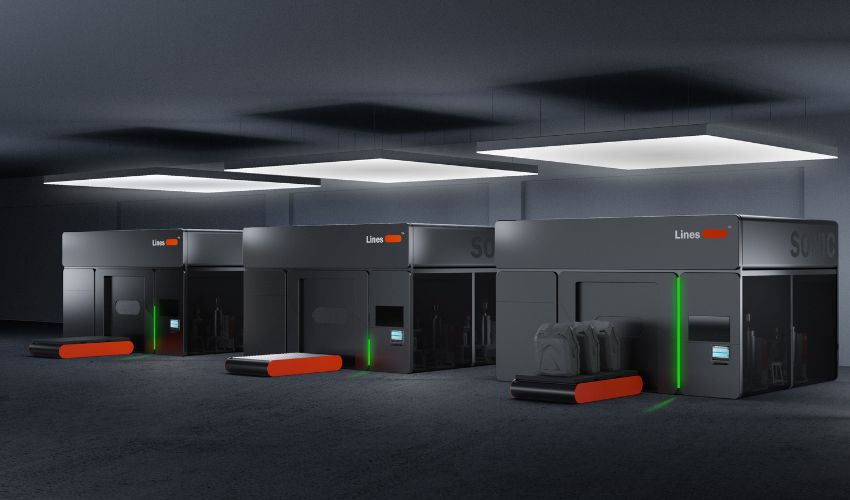 NewsLines Manufacturing Is Combining Large Format and High Speed in Its Industrial 3D PrinterFounded in 2019, French start-up Lines Manufacturing intends to make its mark on the large-format additive manufacturing market with its Lines SONIC solution. The special feature of this FGF machine is the printing speed it can achieve, even on large…
 Applications350 Prosthetic Hands Donated to Ukrainian War VictimsThe war in Ukraine began on 24th February 2022 with the Russian invasion of the country. Since then, millions of lives have been affected and countless citizens and soldiers have suffered serious injury resulting in amputation. This is tragic, of…
 ApplicationsResearchers Develop Personalized Bone Grafts Using 3D Printing3D printing is gradually transforming the medical field, offering increasingly sophisticated solutions. Most recently, a team of researchers at the University of Waterloo developed a material that reproduces the mechanical characteristics of human bone. Thanks to its ability to b
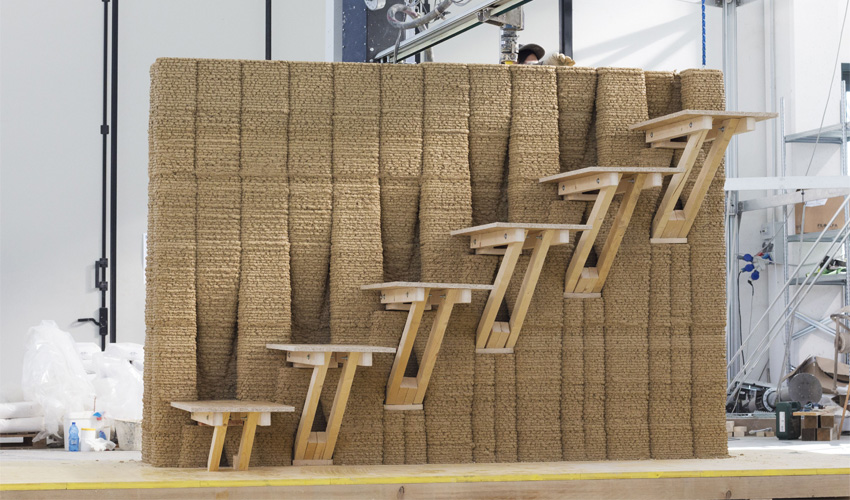 NewsWASP and IAAC create 3D printed wall with embedded staircaseThe concrete 3D printer manufacturer WASP presented its new prototype: a 3D printed wall that integrates the steps of a staircase. In collaboration with the Institute of Advanced Architecture of Catalonia (IAAC), the Italian company used its modular 3D printer…
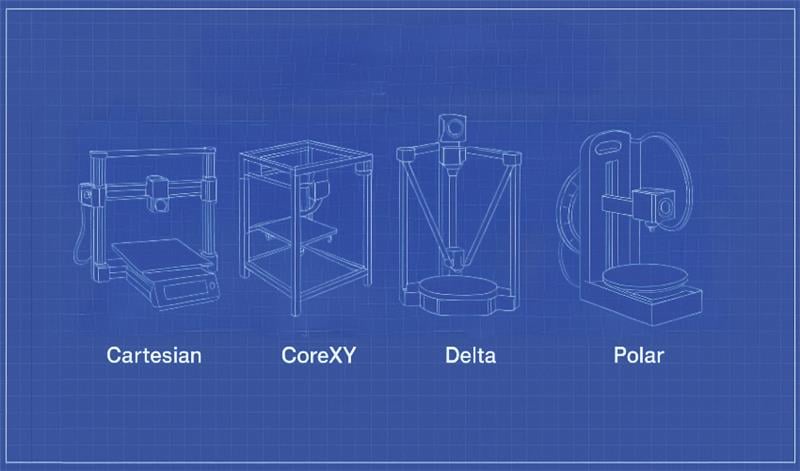 PrintersCartesian vs. Core XY, Delta & Polar: Comparing FDM Motion Systems3D printers can produce a wide range of three-dimensional objects using various materials. Depending on the technology, this may involve curing a liquid resin with a light source (SLA, DLP, LCD) or sintering powdered material (SLS, LPBF). In extrusion-based processes,…
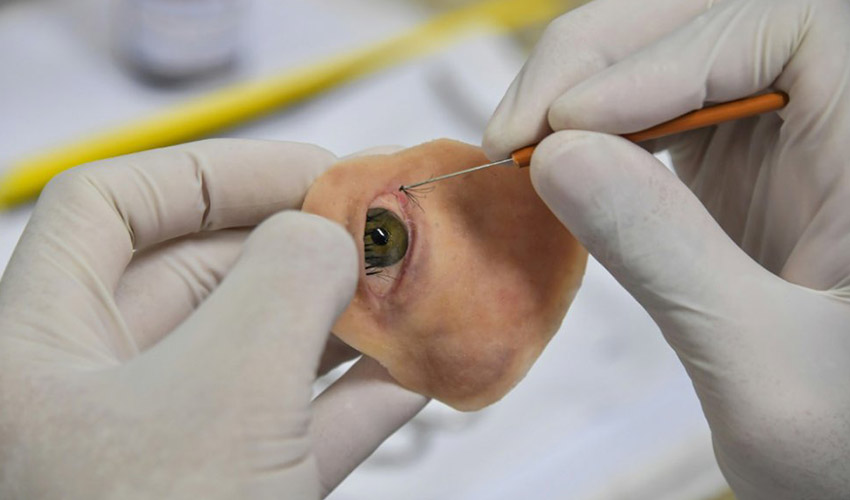 ApplicationsMaking a facial prosthesis on photogrammetry softwareDenise Vicentin, 53 was diagnosed with a facial tumor 30 years ago. After having it removed twice, it came back 20 years later in a malignant form. Luckily, she was able to benefit from research conducted by scientists at Paulista…