Materials
Ceramic 3D Printing: A Revolution within Additive Manufacturing?
The origin of the use of ceramics goes back to ancient Greece, initially created for the creation of pots or plates for food, and based on clay cooked at temperatures of up to 500ºC. Later, around the 19th century, the…
- 3 min read
- Materials
- Six more stories
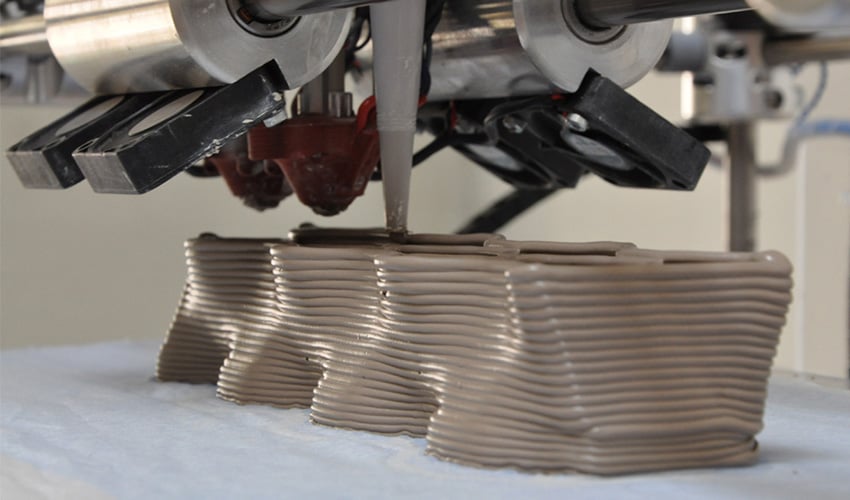
The origin of the use of ceramics goes back to ancient Greece, initially created for the creation of pots or plates for food, and based on clay cooked at temperatures of up to 500ºC. Later, around the 19th century, the attributes of these materials were discovered in the industry: mainly as thermal and electrical insulators in motors. Due to its long history, the advent of ceramic 3D printing was to be expected, as ceramic materials have mechanical properties and high-resolution geometries that could not have been possible to exploit with traditional techniques.
A few months ago, during the second report of the firm Smartech Publishing, the latest report on the evolution of ceramic 3D printing was presented. It stated that in 2028 this industry will generate up to $3.6 billion worldwide. Although it is not yet as well established as plastic technologies or even metal additive manufacturing, it has a great future. According to the report, 3D printing of ceramics will reach maturity in 2025 spreading as a manufacturing technique in different industries.
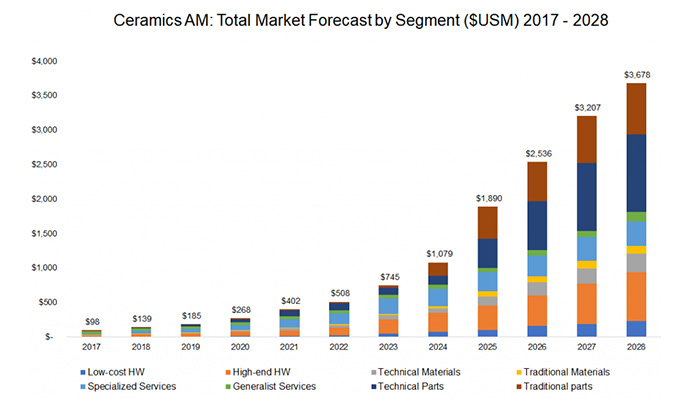
Credits: Smartech Publishing
Evolution of a new ceramic technology
Historically, clay has been the most commonly used material when it comes to manufacturing ceramic materials, largely due to the fact that it is a natural material that is easy to find in almost any environment. As the materials have evolved, more manufacturing possibilities have arrived. There are currently different types of ceramics: the most common are those we use in the domestic environment: in crockery, tiles, etc. On the other hand we have structural ceramics, used in construction such as tiles or bricks; refractory ceramics used in cladding; and technical ceramics, materials with great mechanical, thermal, chemical and electrical resistance. This last type does not include clay, and is especially valued in industries such as automotive or aerospace.
More from the desk
Six other notes from the rest of the bench.
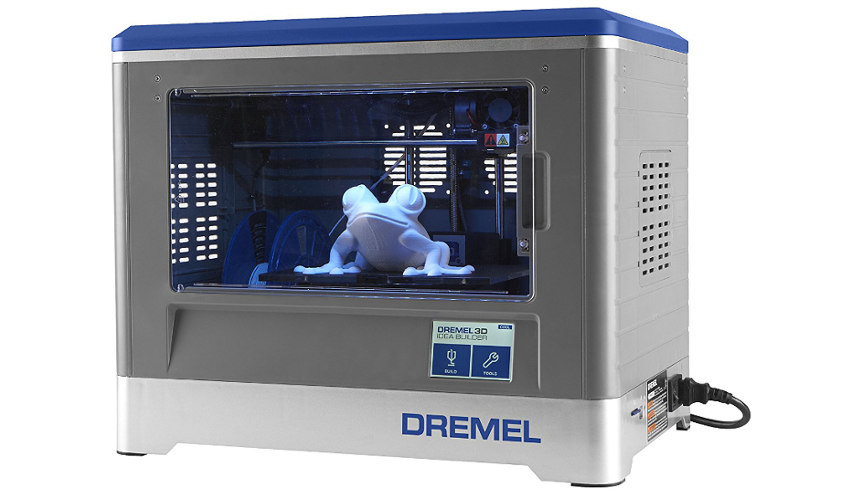 PrintersLab 3Dnatives: Dremel Idea Builder 3D Printer TestDespite its history in the DIY industry, American tool brand Dremel announced not too long ago that they would enter the 3D printing market. Since then, they have released the Dremel Idea Builder, a Plug & Play 3D printer based…
 NewsTop 5 Videos: 3D Printing At The Met GalaIt’s Sunday again and you know what that means. It’s time for the top 5 3D printing videos! In this week toplist, we’ll give you the newest, most interesting videos from the world of 3D printing. This weeks top 5…
 MaterialsRotterdam will have a 3D printed pedestrian bridgeIn Rotterdam, Netherlands, the first 3D printed pedestrian bridge is being built, and should be installed before the end of 2020. Currently, it’s a wooden footbridge that exists in the Kralingse Bos, soon to be replaced by a lightweight 3D…
 NewsCyBe Construction’s 3D-Printed Housing Venture on the Island of CuraçaoThe global housing crisis, coupled with the labor and raw materials shortage in the construction industry has opened a huge opportunity for 3D printing to be leveraged as a solution to provide housing for people across the globe. Companies have…
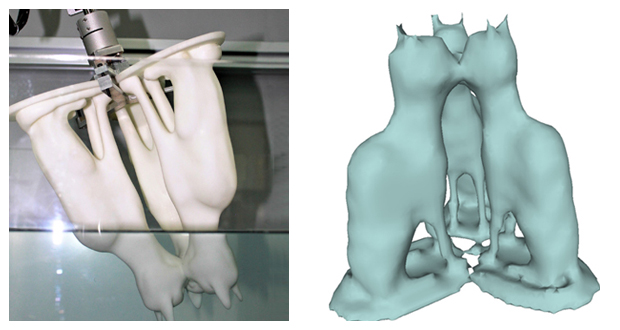 PrintersA new 3D scanning process that takes 3D scanning underwater3D scanners are a very useful tool when you want to create a new 3D model of an already existing physical object. 3D scanners that you can currently find on the market today are very efficient and accurate, but when…
 NewsHow to choose your 3D printing technology: Experts give their advice!Whether you are a beginner or an expert in additive manufacturing, it is not easy to choose the right 3D printing technology. From Fused Deposition Modeling (FDM), Stereolithography (SLA), Selective Laser Sintering (SLS) or metal deposition, there is no shortage…