Guides
Why Lead Time and Cost (Not Capability) Are Holding Robotics Back
Physical AI, the growing category of AI systems built to act in the real world rather than just process data, is one of the fastest-moving corners of the robotics industry. Companies building autonomous robots, automated lab equipment, and warehouse deployments…
- 3 min read
- Guides
- Six more stories
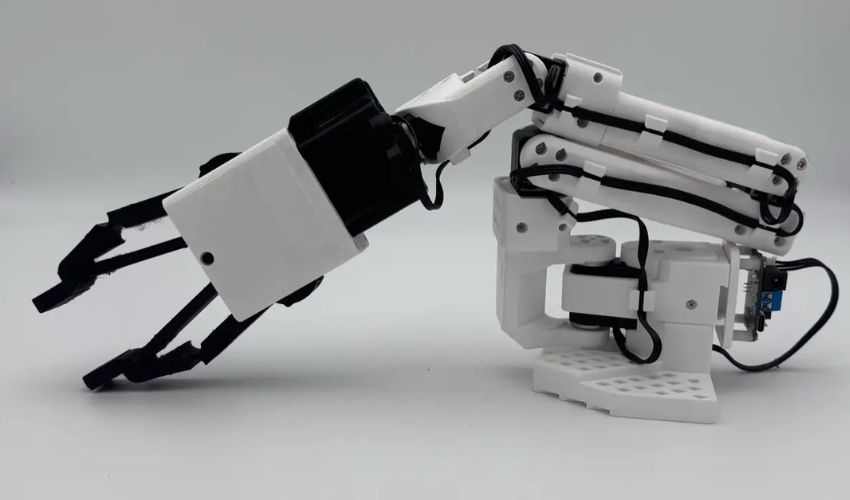
Physical AI, the growing category of AI systems built to act in the real world rather than just process data, is one of the fastest-moving corners of the robotics industry. Companies building autonomous robots, automated lab equipment, and warehouse deployments are scaling quickly. But according to Ethan Wicko, Founder and CEO of US startup Transcend Mechanics, many of them are facing the same challenge: hardware cannot iterate at the speed their software does. We sat down with Wicko, and co-founder Alex McLeod, to learn about their solution to this obstacle.
A Software Mindset Meets a Hardware Challenge
“The biggest problem we heard from people, mostly online, was lead times and cost,” Wicko explained. “The hardware cycle time is way too long, on the order of weeks, while a lot of physical AI companies scaling up come from the software world and are used to much faster iteration cycles.”
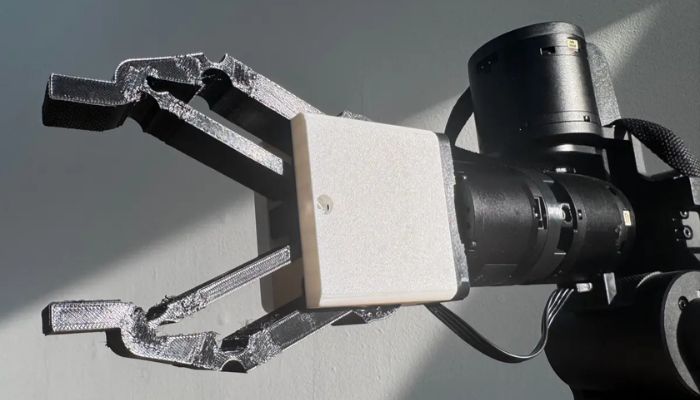
The 2-finger small Nibbler grippers for the YAM arm.
That mismatch is compounding as physical AI scales. Cost, Wicko explained, is not just a barrier for smaller or early-stage teams. It becomes the central bottleneck once a company tries to deploy physical intelligence, robotic arms, grippers, and other components, at any meaningful volume.
More from the desk
Six other notes from the rest of the bench.
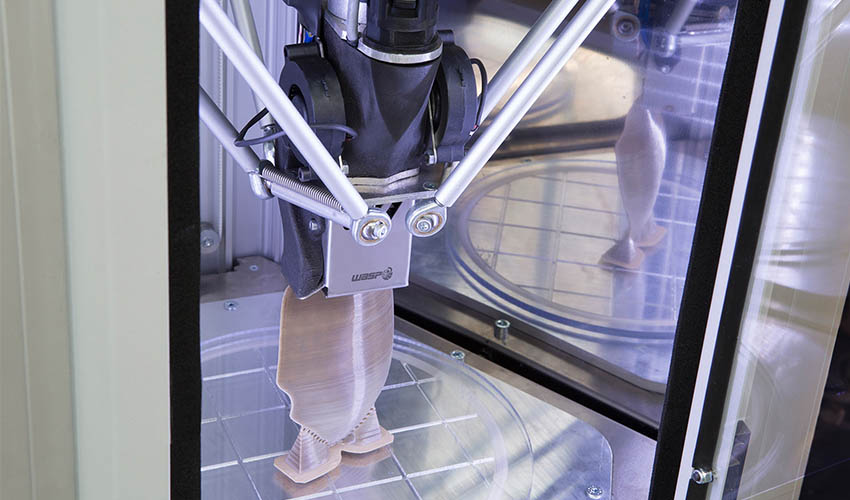 PrintersNew 3D printer from WASP prints medical-grade PEEK from pelletsDuring Formnext 2019, the 3D printer manufacturer WASP launched a new solution that prints medical-grade PEEK from pellets. WASP has gained recognition in the industry for its 3D printers dedicated to the construction sector – today it is bringing its…
 NewsWebinar: Metal additive manufacturing for industrial applicationsAdditive Manufacturing can represent the next stage of evolution for industries around the world. This is already the case in segments like Aerospace, Healthcare or Motorsports. But, for many companies which are aware of the specific challenges of these segments,…
 NewsH (Earring); the 3D printed hearing aid jewelleryWhen it comes to relieving the daily lives of people with disabilities, 3D technologies can be useful. It offer the possibility of creating products adapted to each individual and sometimes to completely unpack the person concerned. In any case, this is the feeling…
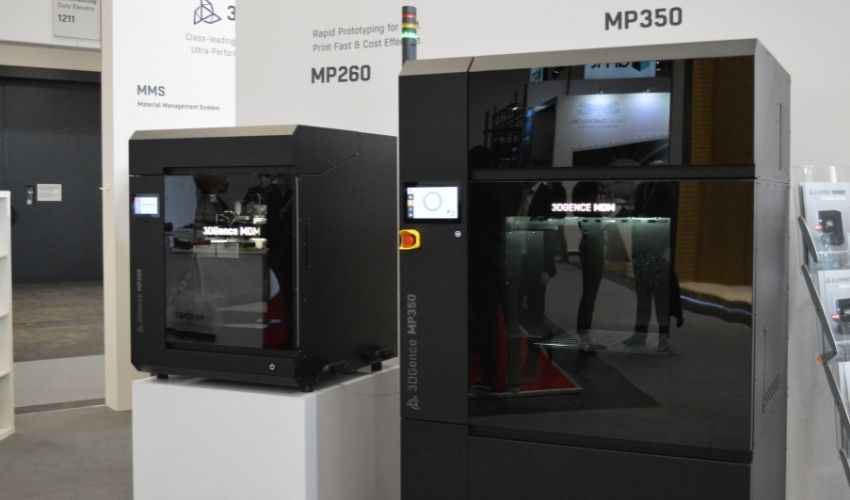 Printers3DGence Premieres Series of Metal FFF 3D PrintersDespite the continued dominance of polymers in additive manufacturing, metal 3D printing has also increased significantly in recent years with a faster growth rate than many other AM product segments. This is especially the case when it comes to desktop…
 ApplicationsLyten Aims to Transform Motorsports with 3D Printed Parts3D printing continues to gain ground in the world of motor racing. In recent years, its use has become widespread, particularly in Formula 1 and other motorsport disciplines, where it enables parts to be produced more quickly, optimizing performance and…
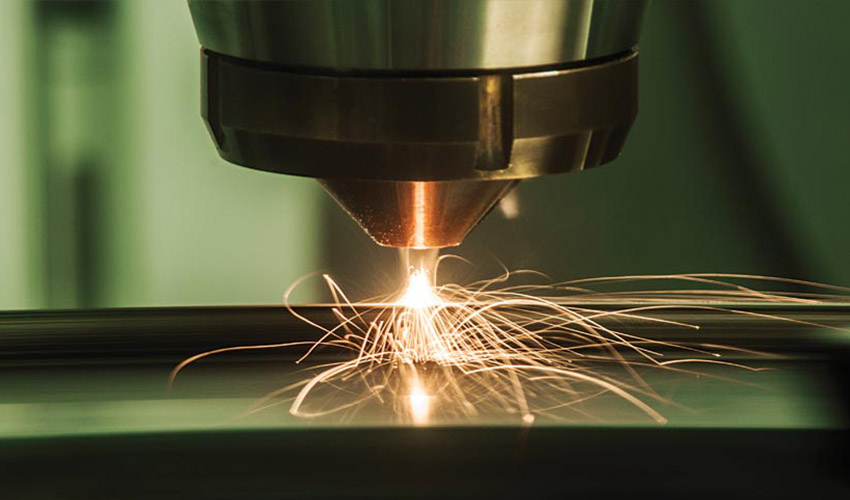 NewsThe Complete Guide to Directed Energy Deposition (DED) in 3D PrintingDirected Energy Deposition (DED) is a more complex 3D printing process, typically used to repair or add additional material to existing components. It is completely possible to fabricate parts from scratch using this technology, but it is often used for…