Guides
How to Take Advantage of the Benefits of Ceramic Additive manufacturing: Experts give their advice!
Last year, SmarTech Analysis released its latest report on ceramic 3D printing, estimating that the technology will be worth approximately $4.8 billion by 2030. A real opportunity is gradually emerging for the industry, with additive manufacturing offering concrete advantages in&
- 3 min read
- Guides
- Six more stories
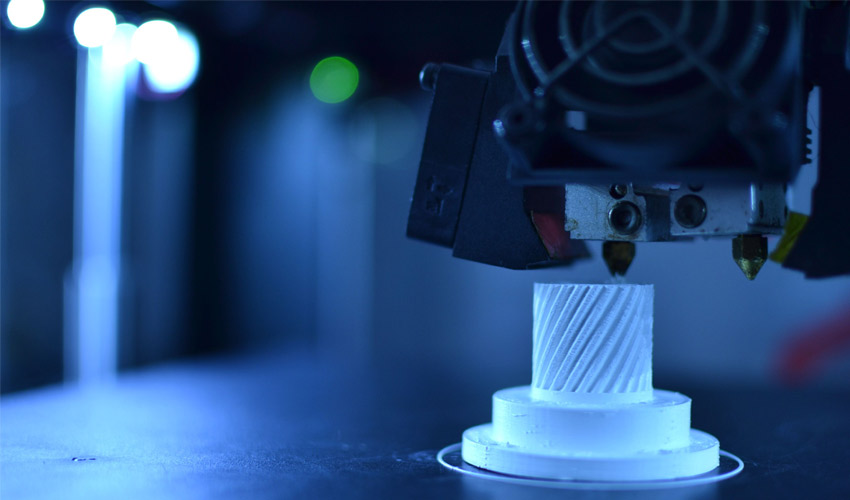
Last year, SmarTech Analysis released its latest report on ceramic 3D printing, estimating that the technology will be worth approximately $4.8 billion by 2030. A real opportunity is gradually emerging for the industry, with additive manufacturing offering concrete advantages in terms of part geometry, available materials, as well as manufacturing costs and lead times. Though traditionally better known in the world of machining, ceramics have several interesting properties and characteristics for the aerospace, medical and precision casting sectors. The possibility today of 3D printing zirconia, alumina or carbide parts has an impact on the manufacturers’ workflow and their traditional production methods. But why should they turn to 3D ceramic printing? What are the associated benefits? What are the remaining challenges? Our experts gave us their opinion and advice on how to effectively integrate the technology.
Our first expert is Dr. Romain Faye who holds a PhD in Science and Materials and is the current R&D Project Manager for Nanoe’s 3D printing. The French company is an expert in the production of innovative raw materials and has started to develop materials for additive manufacturing, particularly ceramic and metal filaments. Our second speaker is Vagelis Mavropoulis, Director of Lino3D’s 3D department. The Greek group assists manufacturers in their manufacturing process, helping them to choose the right process, the right materials and how to acquire the necessary skills to understand the stakes and functioning of 3D technologies. Finally, our third expert is Olivier Greck, the Innovation and Development Business Manager at AVIGNON CERAMIC. The French company has been specialized since 1870 in injection molding of refractory ceramic cores for investment casting. The past few years, It has been investing in ceramic additive manufacturing.



Currently available technologies and materials
It is important to remember that ceramic 3D printing processes are numerous and are based on different forms of materials today (filaments, powder, resin, etc.). Without going too in depth, you will find stereolithography technologies with actors such as 3DCeram, but also Lithoz with DLP. Also, there is binder jetting with ExOne and material jetting with XJet. Additionally, ceramics can also be used with fused deposition modeling (FDM) with some actors such as Nanoe launching into the production of ceramic filaments compatible with many different machines on the market. According to Romain Faye, the key element before embarking on any investment is to “understand the advantages and disadvantages of each technology. It’s a matter of being able to anticipate your needs in terms of part production, precision, speed, design, etc.”. This specification is not only valid for ceramic additive manufacturing, but is important to keep in mind.
More from the desk
Six other notes from the rest of the bench.
 News3D Systems Launches Bid for StratasysNo sooner has the buzz about the announced merger of Stratasys and Desktop Metal died down that the Israeli provider of polymer 3D printing solutions is finding itself once again at the center of attention. Yesterday, on June 1st, 2023,…
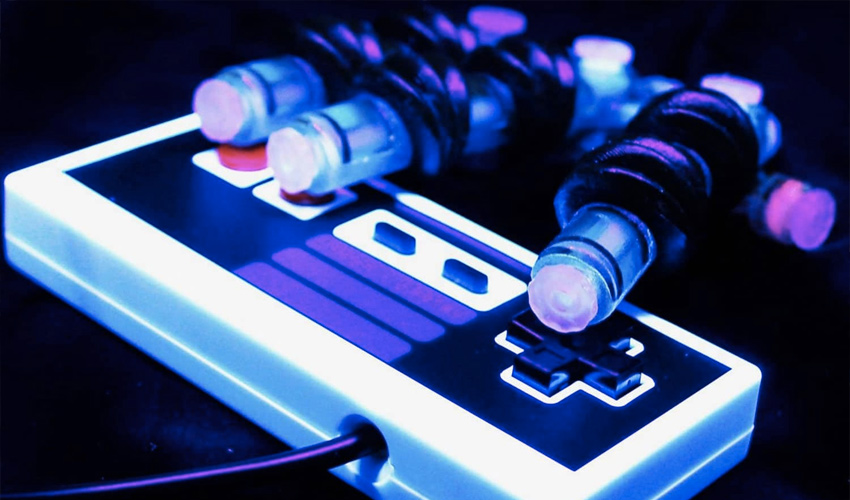 NewsA 3D-Printed Robot Hand Capable of Playing Famous Video Game Super Mario Bros from NintendoEngineers from the University of Maryland have used additive manufacturing to develop a 3D-printed robot hand capable of playing one of the most famous video games from Nintendo. Although it may seem like science fiction, the project is already a…
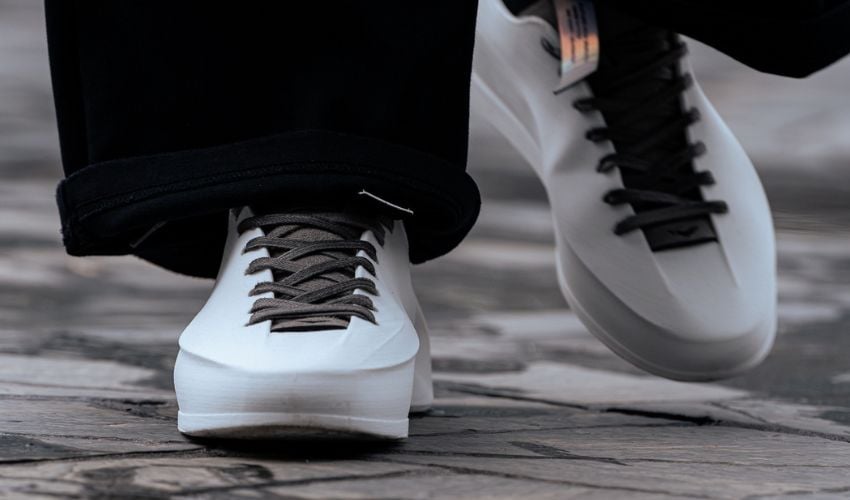 GuidesServati Modernizes Italian Footwear with 3D PrintingFor several years, 3D printing has made a full entry into the footwear industry, allowing designers to create their own artistic pieces without aesthetic limits. With the goal of bringing not only innovation but also sustainability to the sector, the…
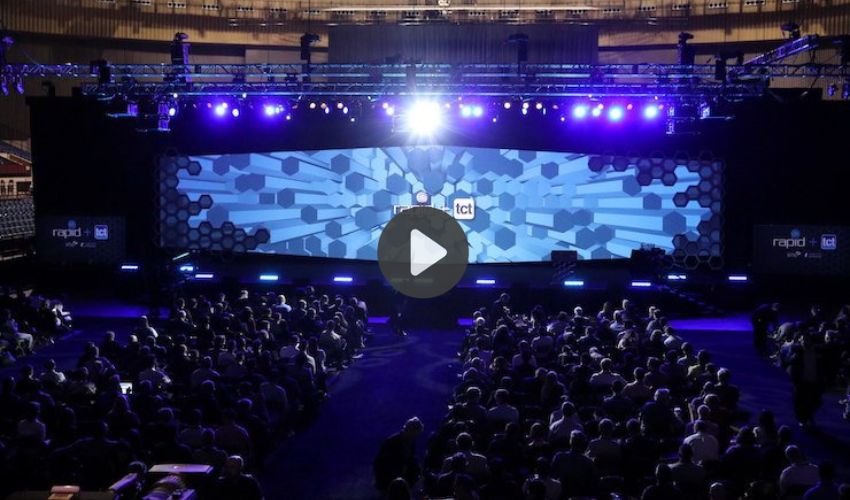 NewsWhat Did You Miss at RAPID + TCT 2022?Weren’t able to attend RAPID + TCT 2022? The largest trade show in North America took place in Detroit, Michigan between May 17th and 19th. After three keynote presentations and over 105 hours of educational content, the event has closed…
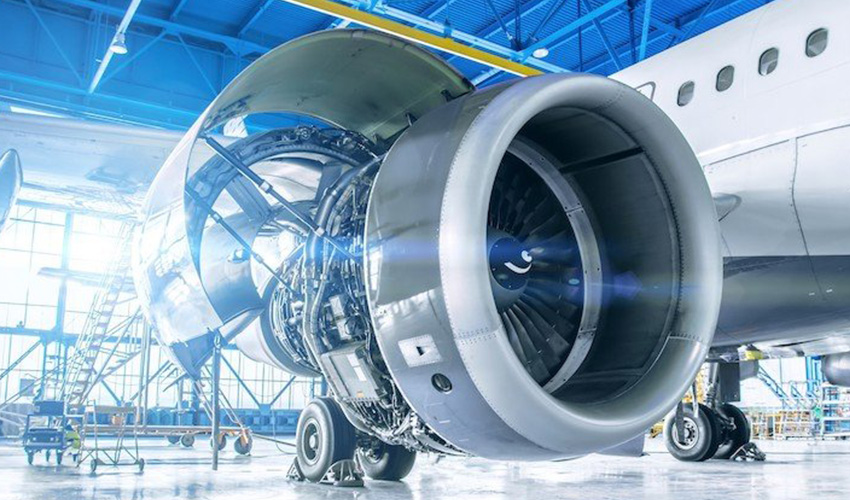 NewsOptomec customers have repaired more than 10 million turbine bladesOptomec, a company that has been developing AM solutions since 1997, has recorded more than 10 million turbine blade repairs using its metal additive manufacturing technology following a recent customer survey. The company explains that all leading gas turbine OEMs…
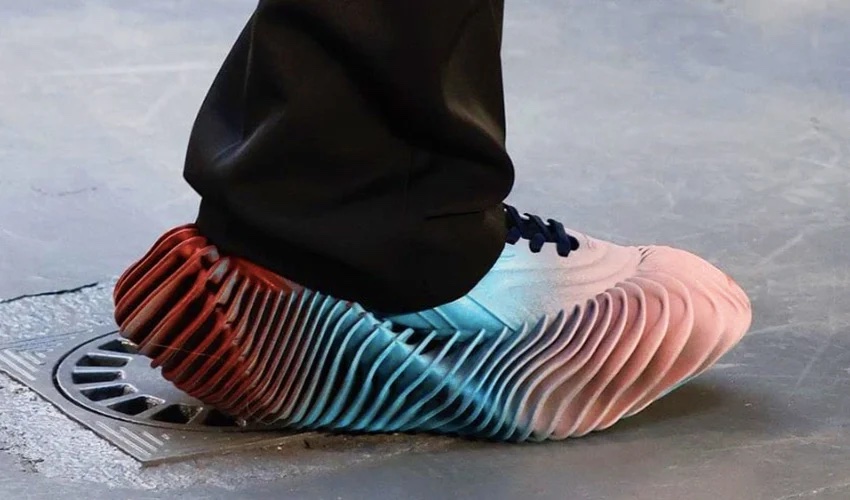 NewsReebok and Botter Have Unveiled a 3D Printed ShoeFrom January 17th to 26th, the city of Paris is welcoming the whole world to participate in the iconic Paris Fashion Week. This internationally known event is an opportunity for major brands to present their latest creations for the spring-summer…