Applications
ATU Discovers New Method for Printing on Flexible Textiles
Researchers at the Atlantic Technological University (ATU) in Ireland have recently developed a new 3D printing method that could impact the future of wearable technology. Dr. Aswathy Babu, the head of the team, alongside Professor Suresh C. Pillai, has created…
- 3 min read
- Applications
- Six more stories

Researchers at the Atlantic Technological University (ATU) in Ireland have recently developed a new 3D printing method that could impact the future of wearable technology. Dr. Aswathy Babu, the head of the team, alongside Professor Suresh C. Pillai, has created a way to directly 3D print functional polymers onto flexible textiles. This makes it possible to produce clothing that can generate and store its own energy, paving the way for self-powered electronics.
Their work was published in the Nano Energy journal, with a primary focus on the fabrication of textile-based triboelectric nanogenerators (T-TENGs). This new device converts mechanical motion, such as walking or stretching the fabric, into usable electricity. The researchers used a low-cost fused filament fabrication (FFF) printing process that deposited polypropylene, a triboactive thermoplastic, directly onto the conductive fabric. The result is a durable, patterned surface that bonds tightly to the textile and delivers a significantly higher energy output compared to other traditional manufacturing techniques.

One of the main challenges that come with wearable energy systems is the fact that there is often a weak bond between polymers and fabrics. Previous methods have often required adhesives or multi-step processes that reduced the durability and flexibility of the garment. The team at ATU’s approach eliminates these issues by producing washable and stretchable energy harvesters that can handle daily wear and tear. According to the team, this strong interfacial bonding is critical for maximizing the energy efficiency and usability of the tech.
More from the desk
Six other notes from the rest of the bench.
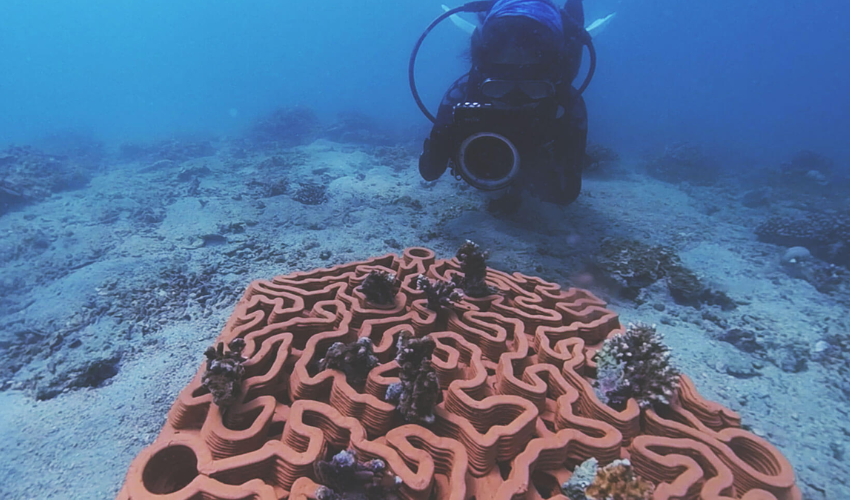 NewsAbu Dhabi Partners with Archireef to Use 3D Printing for Coral Reef RestorationThe United Arab Emirates recently announced an exciting partnership that embraces cutting-edge 3D printing technology to help protect the country’s fragile marine ecosystem. The UAE is home to the largest coral reef in the region, called the Ras Ghanadah protected…
 GuidesCurifyLabs and the Automated Production of Personalized Medicines through 3D PrintingCurifyLabs is a Finnish healthcare company specializing in the development of solutions for the production of personalized medicines in pharmacies and hospitals. Thanks to 3D printing and the inks it has developed, the company offers a complete package for producing…
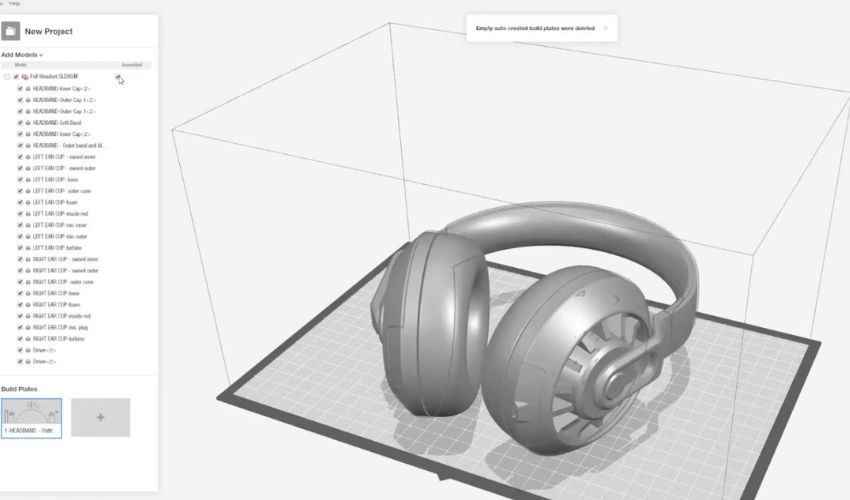 SoftwareAll You Need to Know About CloudPrint From MakerBotFounde in 2009 and acquired by Stratasys in 2013, MakerBot is a leader in FDM printing solutions. In addition to its printer, it also has its own software platform called MakerBot CloudPrint, with the newest version only launched recently. Previously…
 GuidesHow Is 3D Printing Used in the Tourism Industry?Additive manufacturing, with its sustainability benefits and capacity for customization, has found its place in the travel industry. The use of 3D printing has expanded beyond just consumer goods, with aircraft parts being additively manufactured to improve sustainability and red
 GuidesPawsthesis: The Project 3D Printing Leg Prostheses for DogsAdditive manufacturing is becoming increasingly popular. This is evident in the widening array of areas in which it is used. In addition to dominant sectors such as the automotive industry or aerospace , 3D printing technologies are now increasingly being used in smaller…
 NewsHubs Report 2023: What Do We Know About the State of AM Over the Past Year?We all know that 3D printing just keeps growing. Now we have seen it once again in the Hubs Report 2023, which took a close look at the additive manufacturing market over the past year. The report includes exciting metrics…