Applications
Application of the Month: SprintRay 3D Printed Teeth Restoration
Advanced digital workflows and additive manufacturing are transforming the field of restorative dentistry. In this feature, we highlight a full-mouth rehabilitation case managed by Dr. Guvinder Gakhal, where SprintRay 3D printed crown resin was used to restore a patient with&hell
- 3 min read
- Applications
- Six more stories
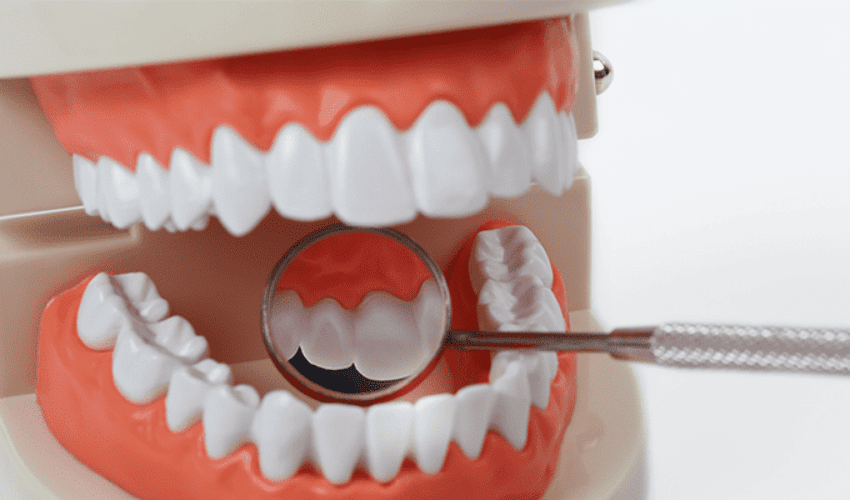
Advanced digital workflows and additive manufacturing are transforming the field of restorative dentistry. In this feature, we highlight a full-mouth rehabilitation case managed by Dr. Guvinder Gakhal, where SprintRay 3D printed crown resin was used to restore a patient with severe generalized tooth wear. Leveraging structured workflows learned through Avant Garde’s education program, the case demonstrates how precision, efficiency, and minimally invasive techniques can deliver outstanding clinical and aesthetic outcomes.
Using 3D Printing to Help Restore Tooth Wear
A 56-year-old male electrician had extensive tooth wear resulting from chronic nocturnal bruxism, which is the habitual grinding or clenching of teeth during sleep. Although the patient was not experiencing any pain, the ongoing loss of tooth height placed him at high risk of pulp exposure, meaning the inner nerve and blood vessels of the tooth could become exposed. Early intervention was important to preserve his natural teeth, prevent more complex restorative challenges in the future, and maintain proper oral function.
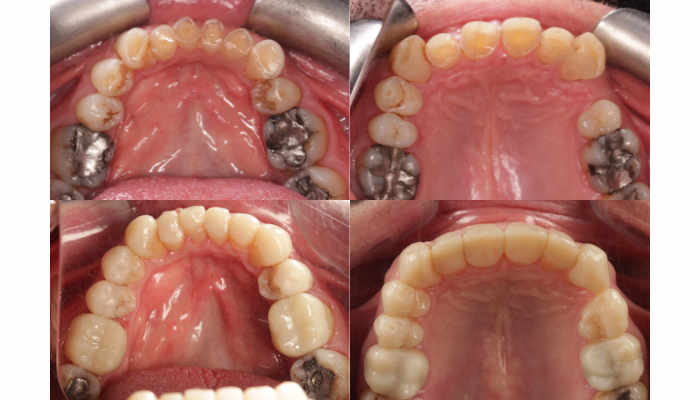
From top left to bottom right, 3D printing was able to help mitigate the patients’ extensive tooth wear.
Dr. Gakhal took a patient-centered approach, discussing treatment goals that included protecting the remaining tooth structure, restoring the occlusal vertical dimension, which is the natural distance between the upper and lower jaws when the mouth is closed, and improving aesthetics while keeping the treatment as minimally invasive as possible. The patient’s case presented several challenges, including severely shortened clinical crowns (the visible parts of the teeth above the gum line) with near pulp exposure, alveolar compensation (a change in the position of the jawbone that occurs as teeth wear down and can affect the bite), asymmetrical gingival zeniths (uneven gum heights that affect the smile line), and buccally positioned canines (teeth angled outward toward the cheeks). Each of these required careful planning to achieve a natural and functional result.
More from the desk
Six other notes from the rest of the bench.
 News3D Printed Sawdust Formwork Could Cut Construction WasteAs 3D printing continues to evolve, so too have the efforts to use the technology to build in an environmentally friendly way. Concepts like upcycling, using natural materials and even using wood as a 3D printable material have already been…
 ApplicationsStratasys and AM Craft Partner to Advance 3D Printed Aviation PartsStratasys, a leader in advanced 3D printing technologies across diverse industries, has joined forces with AM Craft, an aviation manufacturing innovator from Latvia. This strategic partnership, built on the combined expertise of both companies, is set to significantly boost the&h
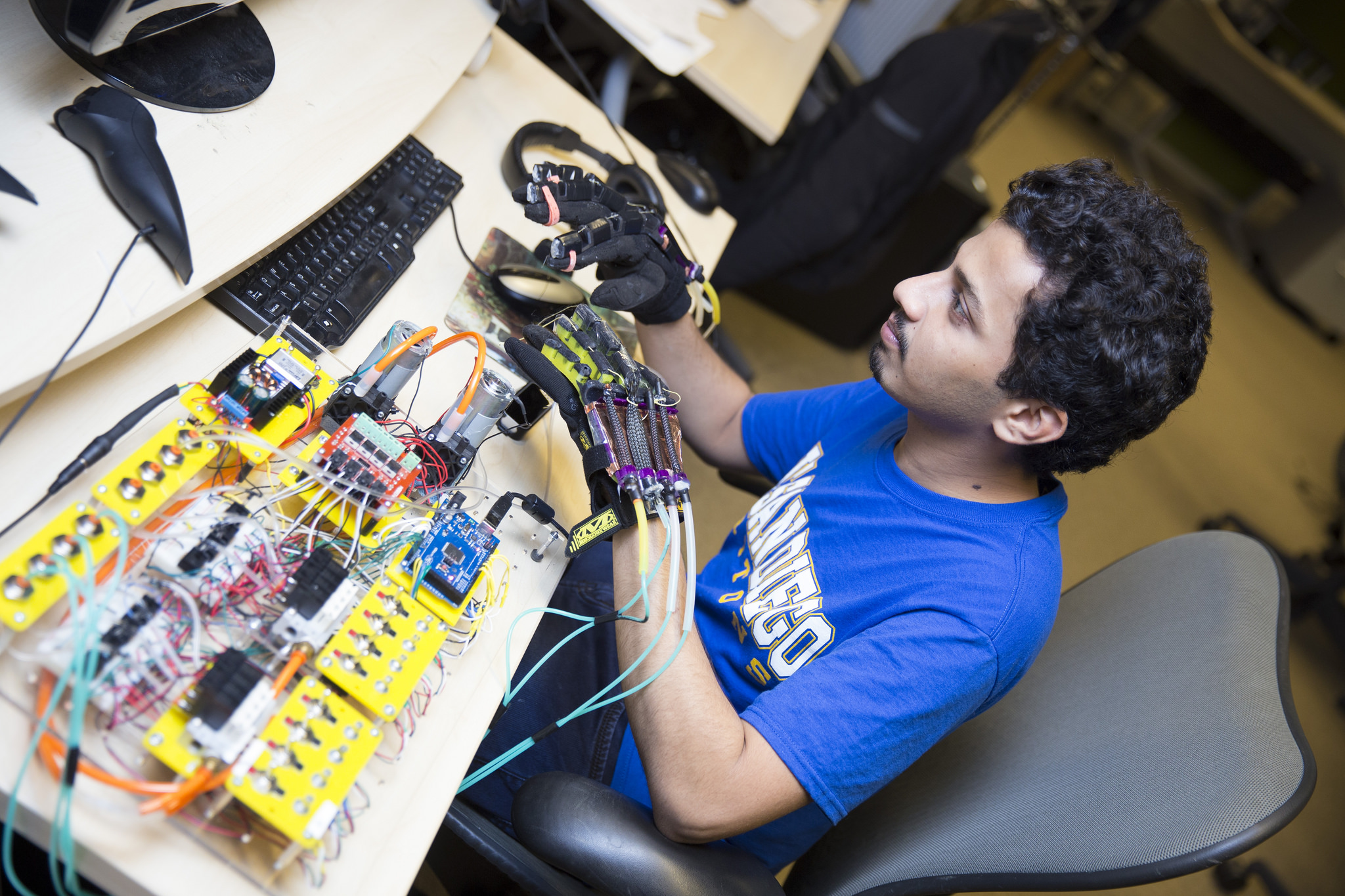 NewsUC San Diego creates VR glove using 3D printingA couple of weeks ago, we wrote about researchers at the University of San Diego who have created a robot using 3D printing that can walk on different types of terrains. This week, UC San Diego is back in the news again…
 PrintersMitsubishi Electric Announces Launch of its Wire-Laser Metal 3D PrinterIn a week of continued advancements in the additive manufacturing industry, the launch of a new metal 3D printer has come from a perhaps slightly less expected source. The famed Japanese conglomerate, Mitsubishi Electric, has announced that on March 1st…
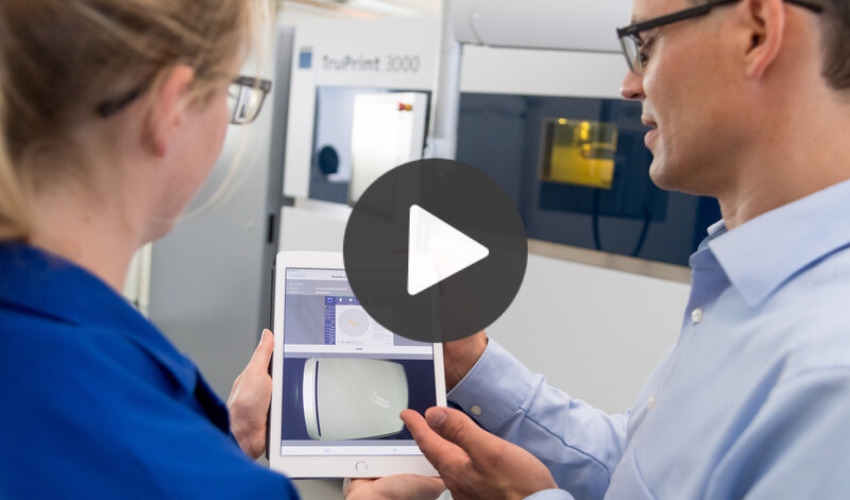 NewsTOP 5: Trumpf presents product highlights of the TruPrint 3000As every week, we want to give you an overview of the most exciting videos from the industry on this Sunday. On this Sunday you will find some videos from German manufacturers in our selection. Including a product presentation from Trumpf for…
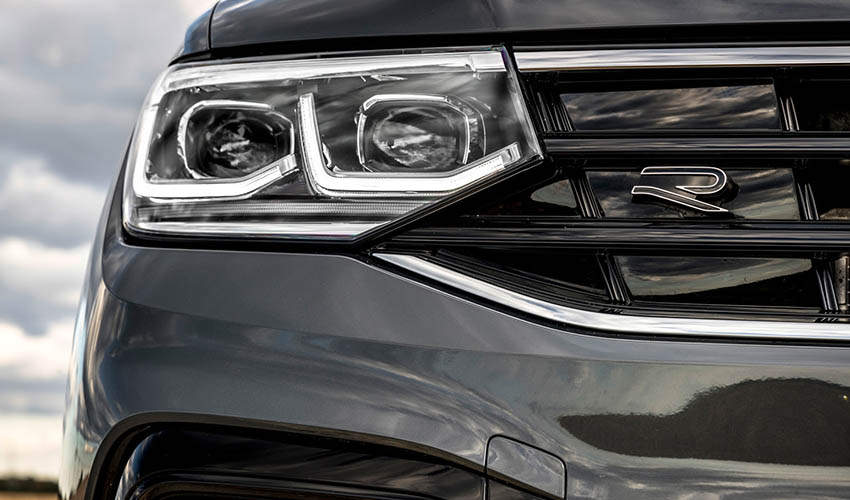 PrintersVolkswagen enhances automotive design with 3D printingThe German car manufacturer Volkswagen has invested in two new Stratasys 3D printers to improve its prototyping capabilities and optimize car design. This is not the first time that Volkswagen has integrated additive manufacturing into its production process. In fact,…