Printers
Anisoprint and its 3D printing solution for continuous fiber composites
Anisoprint is a Russian 3D printer manufacturer that has developed a 3D printing solution for continuous fiber composites. Based on the principle of melt deposition, its Composer machine makes it possible to reinforce any 3D printing plastic with composite fibres…
- 3 min read
- Printers
- Six more stories
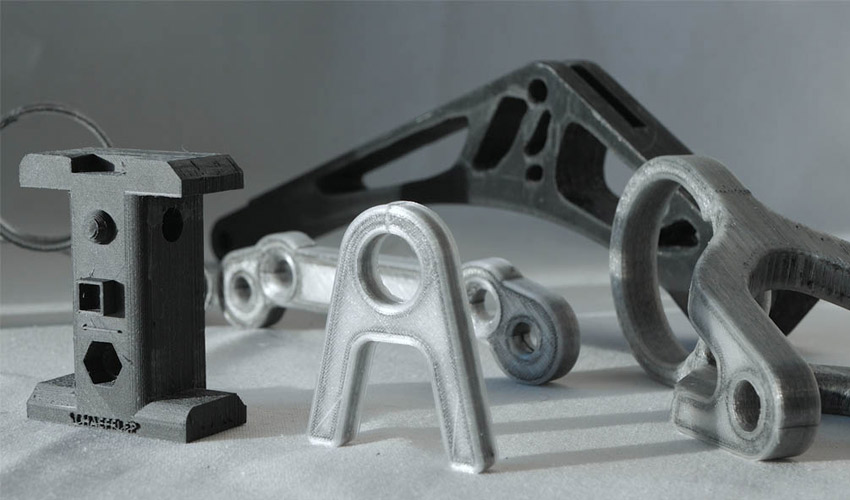
Anisoprint is a Russian 3D printer manufacturer that has developed a 3D printing solution for continuous fiber composites. Based on the principle of melt deposition, its Composer machine makes it possible to reinforce any 3D printing plastic with composite fibres during the process itself. A patented coextrusion principle that could interest more than one industry: composite materials are generally stronger, lighter and more resistant and therefore make them ideal solutions for aerospace, automotive and medical industries. We met with Anisoprint’s CEO, Fedor Antonov, to learn more about this technology, its benefits and limitations.
3DN: Can you present yourself and your link with 3D printing?
Anisoprint is a technology company that was founded by engineers and scientists with a joint vision on how composites can work if they are designed and applied in the right way and how dramatically they can change manufacturing. We’ve learnt to manage unique properties of composites to invent a technology that can replace metal, giving stronger and lighter parts that are also cheaper. The perfect approach to implement this vision appeared to be through 3D printing, a common name for a wide range of technologies that revolutionise the way we manufacture things in many industries through digitalisation and automation. Now our technology of 3D printing of composites with continuous fibers allows reducing manufacturing costs in the majority of areas from aerospace to healthcare.

Fedor Antonov
3DN: Can you tell us more about the 3D printer you developed?
Our printers are based on our proprietary composite fiber coextrusion technology (CFC). Composite fiber coextrusion is a core innovation in our products, and it significantly differs from the other approaches to 3D-printing of composites with continuous fibers (prepreg, dry fiber coextrusion, lamination — they all have their limitations). In CFC technology, we reinforce plastic with continuous composite fibers directly during the printing process, not at pre-stage like in other technologies. This approach allows using any plastic you want (PETG, ABS, PC, PLA, Nylon, etc) and changing composite infill density.
More from the desk
Six other notes from the rest of the bench.
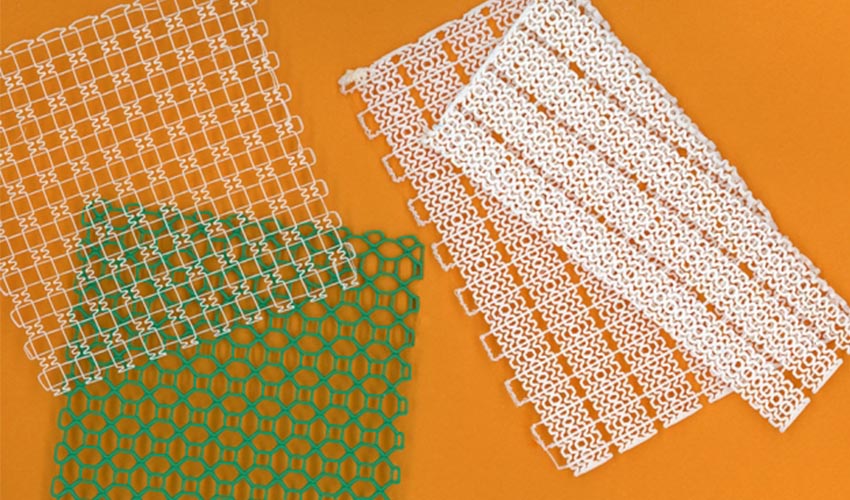 MaterialsEngineers at MIT develop 3D printed mesh for ankle and knee bracesIn our last ranking about 3D printed orthoses, we shared with you some of the projects and products being enhanced by 3D printing technologies. The ability to customise these medical devices in order to offer a personalised solution for each…
 ApplicationsLamborghini bets on Carbon 3D printing technologyInitially specialised in the construction of tractors, the Italian company Lamborghini quickly turned to the development of luxury sports cars. Today, the company is showing interest in additive manufacturing. More particularly, in Carbon 3D printing technology to produce some pa
 NewsTop 5 Videos: 3D Printed Fashion Designs & More!This week’s Top 5 Videos include videos ranging from 3D printed fashion designs to 3D printing in education, and more. This shows how versatile 3D printing is and how many industries it can benefit. Remember, a new Top 5 Videos…
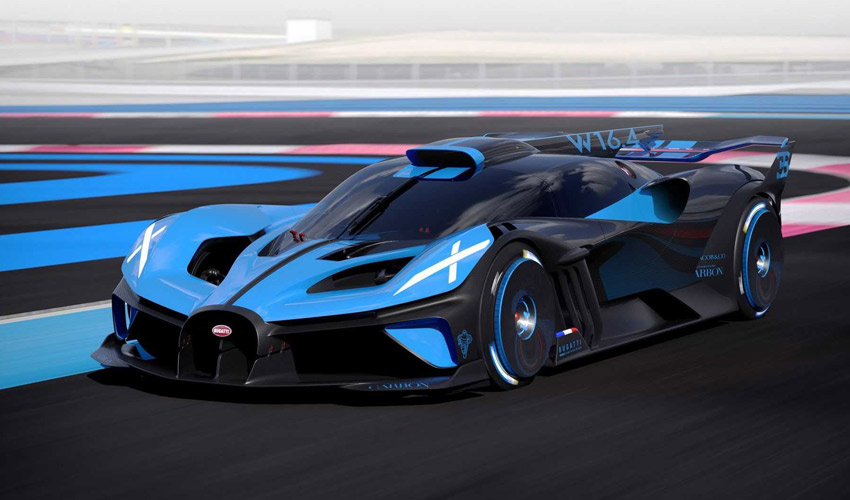 ApplicationsBugatti Bolide: a light and fast vehicle thanks to 3D PrintingThe French carmaker Bugatti has probably imagined the lightest, fastest and most aggressive vehicle in its range. Called Bolide, this sports car is an assortment of new technologies, relying, in particular, on additive manufacturing to reduce the weight of its…
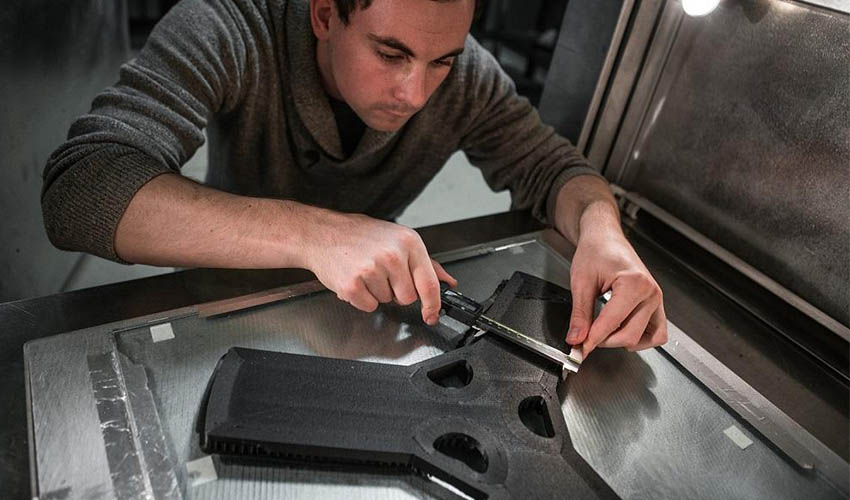 PrintersEssentium announced business expansion initiativesEssentium Inc. has announced a series of business expansion initiatives in response to growing market demand for the company’s platform of industrial-scale additive manufacturing solutions. The company’s High Speed Extrusion (HSE) 180 S 3D printing platform is designed to enable&
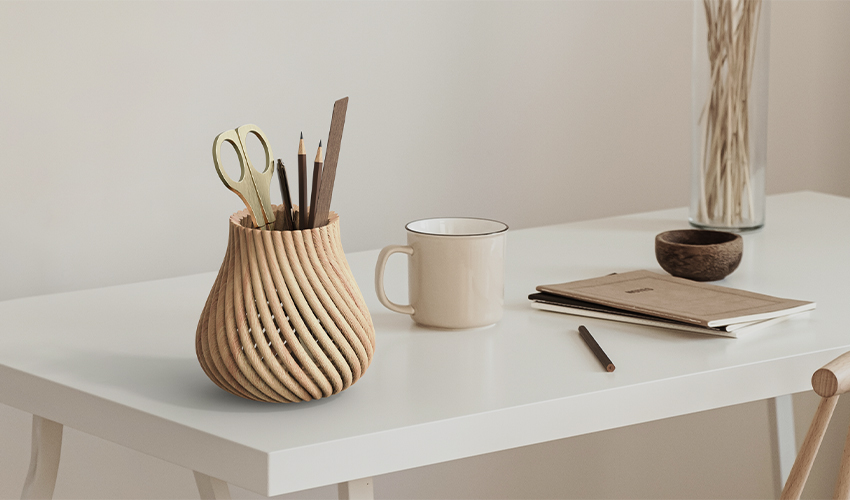 MaterialsWith Forust, Desktop Metal Invests in Wood 3D PrintingAt the start of the year, Desktop Metal expressed its desire to tackle the resin additive manufacturing market with the acquisition of EnvisionTEC, one of the historical leaders in resin 3D printing. But the plans of the American giant do not…