News
Ancient Roman Concrete Meets Modern 3D Printing to Save Coral Reefs
The underwater coral reefs of the world are some of our Earth’s most diverse and fascinating, living, breathing ecosystems. Unfortunately due to pollution, climate change and other negative factors, coral reefs are in extreme danger of extinction, with 90% of…
- 3 min read
- News
- Six more stories
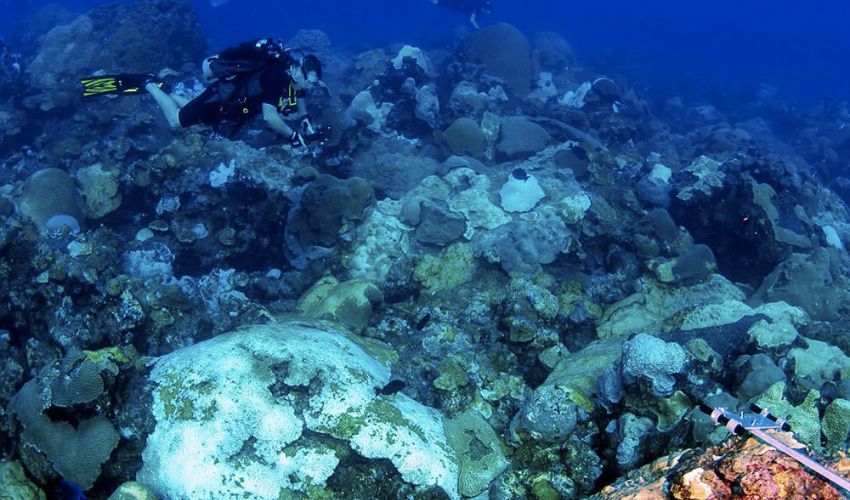
The underwater coral reefs of the world are some of our Earth’s most diverse and fascinating, living, breathing ecosystems. Unfortunately due to pollution, climate change and other negative factors, coral reefs are in extreme danger of extinction, with 90% of Earth’s coral projected to die out by 2050. However, efforts have been underway around the world to provide the world’s oceans with 3D printed coral reefs which may be able to keep the reef biodiversity safe and intact. Over the past several years, many fascinating technologies have emerged from growing natural coral from 3D printed structures to fish preservation, with a variety of materials and 3D printing technologies. Now a multidisciplinary team from the University of Texas at Arlington is starting their own efforts at coral preservation in the Gulf of Mexico using a familiar concept with ancient roots.
The problem with some previous efforts at artificial reef creation is the materials that are used to create a safe area for ocean wildlife to thrive. In the early years of this process, many different types of objects were used, from decommissioned ships and scrap metal to rubber tires and concrete blocks. Unfortunately, with the endless shifting of the currents and the effect of time and underwater wear and tear, many of these materials could risk breaking apart or even further polluting the environment they are meant to preserve. However, the UTA Team led by Warda Ashraf, associate professor in the Department of Civil Engineering wants to use a 3D printing material similar to the concrete of ancient Rome to repair, restore and rebuild coral reefs.
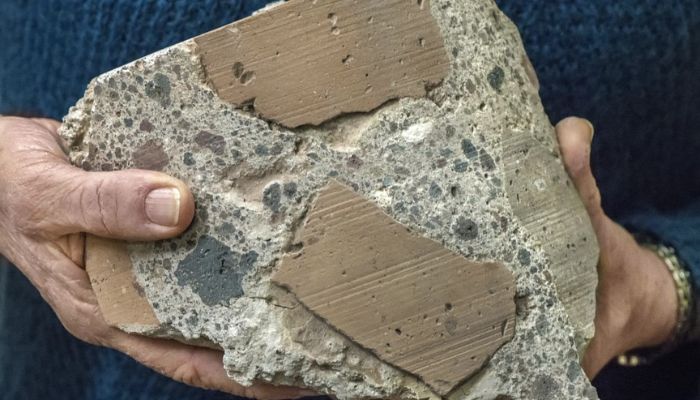
Roman concrete (Photo credits: Roy Kaltschmidt, Berkeley Lab)
Roman concrete is similar enough in appearance to our modern construction material but differs in a number of key ways that cause the ancient construction material to be much stronger and more durable than its modern counterpart. It is mixed with a variation of different rocks and large pieces of stone or rubble, while volcanic dust or ash was often used as a binding cement. The use of these ingredients would cause reactions when mixed with seawater, for example, causing the substance to be more resistant to cracks and breaks. Indeed, the concrete mix continues to harden and strengthen for years or even decades after construction, leading to the mixture being dubbed “the most durable building material in human history”, further evidenced by the ancient structures such as the Pantheon in Rome, made of Roman concrete and still standing after nearly two thousand years.
More from the desk
Six other notes from the rest of the bench.
 NewsSandwaves, the 3D printed installation from sandArchitecture is always evolving as the years go by. In fact, increasingly, 3D printing technologies are providing the tools to imagine new projects for this sector. In Saudi Arabia, two architectural design studios, Precht and Mamou-Mani Architects have constructed a…
 GuidesSustainable Design in 3D: Thrōn Made’s Vision for the Future of FurnitureAs additive manufacturing continues to push the boundaries of design and production, one area where its potential truly shines is in furniture making. Combining form, function, and sustainability, 3D printed furniture is opening new doors for designers to experiment with…
 NewsNASA develops a new metal additive manufacturing methodEngineers at NASA’s Marshall Space Flight Center in Huntsville, Alabama have reportedly developed and tested a new metal additive manufacturing method called Laser Wire Direct Closeout (LWDC). A process that could be used to make nozzles more quickly for rocket…
 GuidesThe Top 3D Pens on the Market3D pens are often seen as a gadget or a toy reserved for children who want to get into 3D printing. However, they are becoming more popular and sophisticated, with more features and compatible materials. They make it possible to…
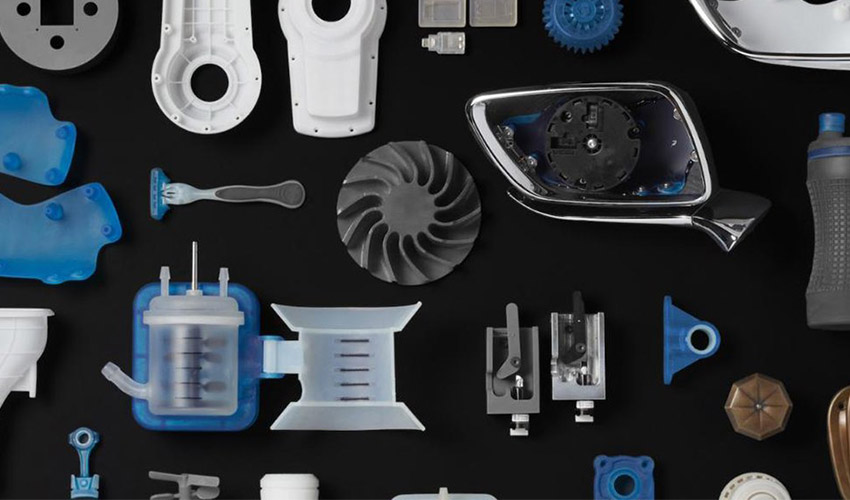 NewsShould you adopt 3D printing for plastic end-use parts? The Complete GuideWhat is a plastic end-use part exactly? An end-use part is a manufactured good that is either ready to market, part of an assembly of products or ready to be used in the internal operations of a company. A plastic…
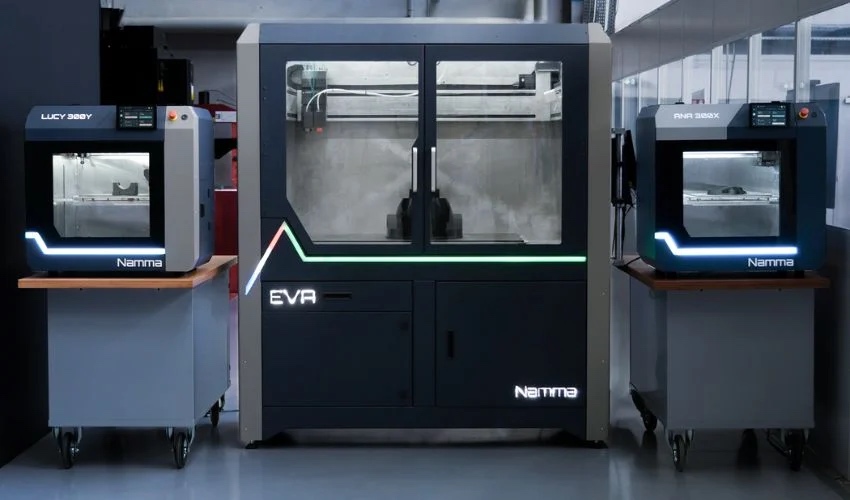 PrintersFrench Manufacturer Namma Expands Its Range of Hybrid Solutions to Meet Industrial RequirementsIn 2021, Bordeaux-based start-up Namma presented EVA, an industrial multiprocess machine that combines three processes to produce metal, polymer and composite parts. Three years later, it has strengthened its offering with two additional models, positioning itself in both hybrid