News
NASA develops a new metal additive manufacturing method
Engineers at NASA’s Marshall Space Flight Center in Huntsville, Alabama have reportedly developed and tested a new metal additive manufacturing method called Laser Wire Direct Closeout (LWDC). A process that could be used to make nozzles more quickly for rocket…
- 3 min read
- News
- Six more stories
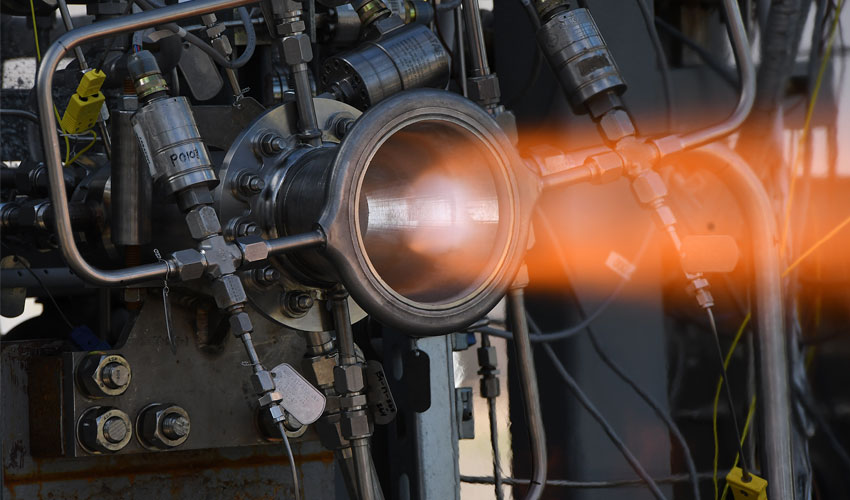
Engineers at NASA’s Marshall Space Flight Center in Huntsville, Alabama have reportedly developed and tested a new metal additive manufacturing method called Laser Wire Direct Closeout (LWDC). A process that could be used to make nozzles more quickly for rocket engines at a reduced cost.
NASA has been working with additive manufacturing for some time now, using it to help streamline 3D printing in space, their development of stronger materials and the design of better equipment. In addition, they also have partnered with others for several projects, including Relativity Space, which creates rockets through additive manufacturing.
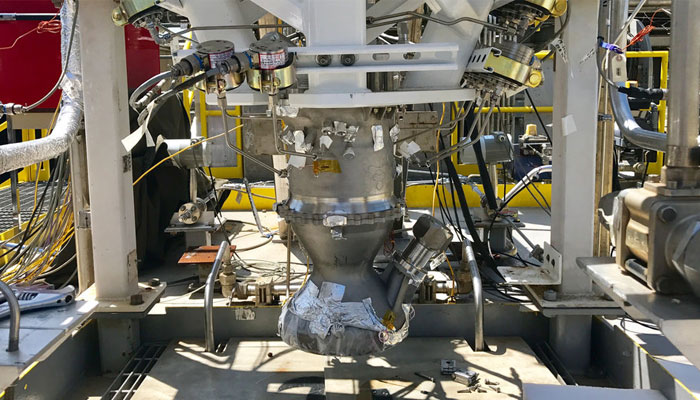
Relativity Space tests 3D-printed rockets at NASA Space Center
More recently, NASA engineers have claimed to have developed a new metal additive manufacturing process called Laser Wire Direct Closeout. As its name implies, this process is not based on a powder bed but instead, uses a concentrated energy wire metal deposition process to create complex metal parts. NASA has already filed a patent for LWDC technology that would reduce manufacturing time from a few months to just a few weeks.
More from the desk
Six other notes from the rest of the bench.
 NewsCan 3D printing help rescue natural reefs?Environmental issues are becoming more and more unavoidable and the degradation of natural reefs is one of them. Natural reefs are vital for the well-being of our planet for they are one of the most varied ecosystems on Earth. However,…
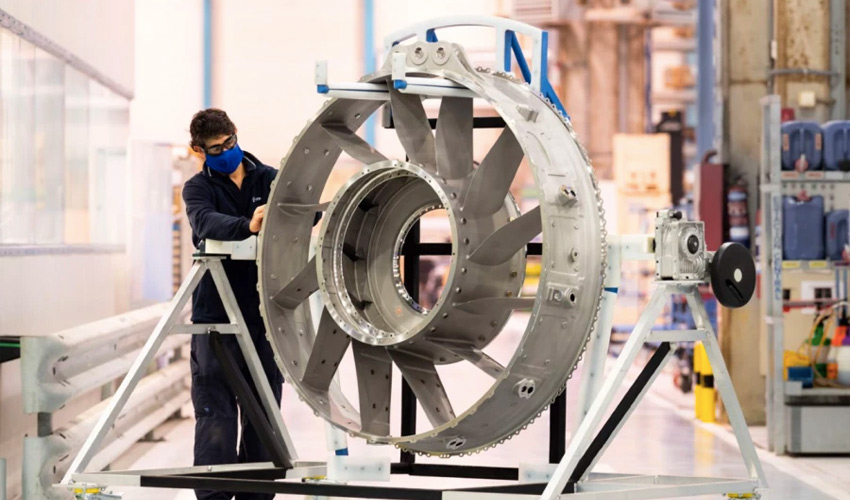 ApplicationsITP Aero 3D Prints the Structure of the New UltraFan Aeronautical EngineAs the Spain-based subsidiary of British luxury automobile maker Rolls-Royce, ITP Aero continues to innovate in the aeronautical industry, particularly as it pertains to engines. Now, ITP Aero has designed and created one of the main structures of the new…
 NewsA futuristic reality: 3D printed SpaceX helmetsSpace travel and additive manufacturing are synonymous to innovation, and this time we are combining the two to take a closer look at the 3D printed SpaceX helmets. Elon Musk is well known for his inventions that seem to be straight…
 GuidesInterview with DEEPTIME about their 3D printed speakers from sandNot long ago we covered the story of the world’s first 3D printed speakers from sand launched by the startup DEEPTIME. The startup is a design and tech studio based in Prague that integrates innovative design with 3D technologies to offer…
 NewsSmart Design & Gantri Join Forces to 3D-Print Lighting Designed for the Home OfficeSince the start of the pandemic, the daily life of the majority of professionals has been turned upside down. Many people now work from home to avoid contracting or transmitting viral illnesses. With so many people across the globe being…
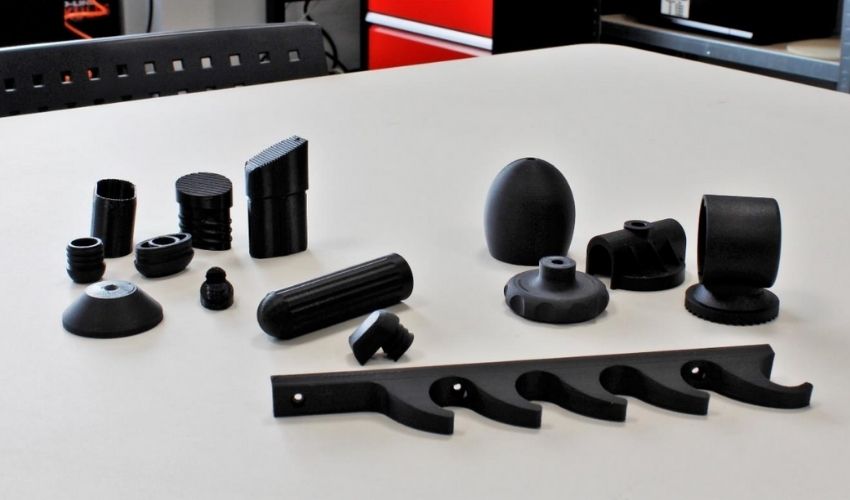 NewsReplique & Siena Garden: 3D-Printed Spare Parts for Outdoor FurnitureIt’s become a fact of life: your beloved piece of furniture gets worn down or breaks, but no spare part is available on request from the manufacturer. Annoying when the entire furniture would then need to be replaced—which is no…