News
Should you adopt 3D printing for plastic end-use parts? The Complete Guide
What is a plastic end-use part exactly? An end-use part is a manufactured good that is either ready to market, part of an assembly of products or ready to be used in the internal operations of a company. A plastic…
- 3 min read
- News
- Six more stories
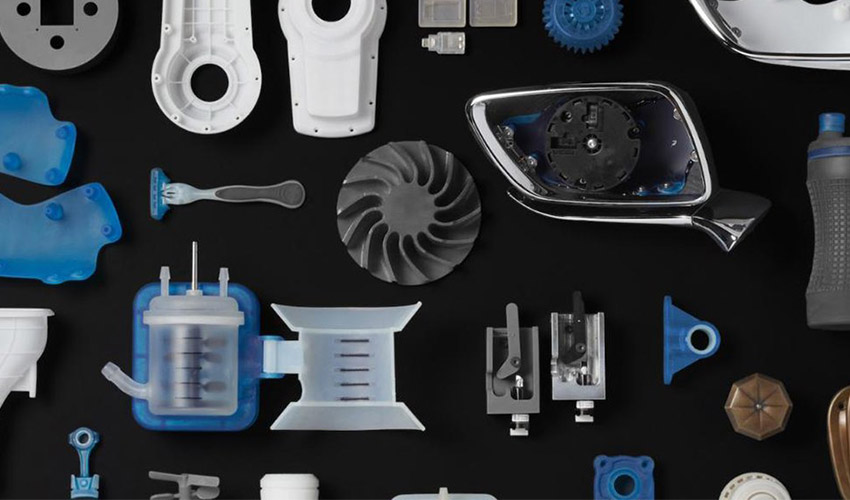
What is a plastic end-use part exactly?
An end-use part is a manufactured good that is either ready to market, part of an assembly of products or ready to be used in the internal operations of a company. A plastic part ready to market could be a plastic cover or medical model, for internal use it could be a customized jig or even a fixture. Finally, an end-use part such as a plastic clamp can be used on an assembly line to hold parts while they are being put together.
In other words, plastic end-use parts are useful for a number of applications and sectors. When looking at 3D printing technologies, we are now aware of the benefits of using these instead of traditional manufacturing methods for many industries. But how much exactly are you benefiting from the adoption of additive manufacturing? In order to answer this question, we spoke to one of the industry’s experts, Hubs. They were able to give us some practical advice and examples by comparing 3D printing technologies (FFF, SLA, DLP, SLS, MFJ) with traditional manufacturing processes for different applications.
1. Fused Filament Fabrication (FFF)
Fused filament fabrication, also known under the trademarked term Fused Deposition Modeling (FDM), starts with a roll of thermoplastic filament. The filament is fed into a heated nozzle, melted, and extruded: creating a three-dimensional object layer by layer. This is the most common additive manufacturing process, also easy to use, and widely available – these three elements make this process economical with quick production times, an important benefit for many companies.
More from the desk
Six other notes from the rest of the bench.
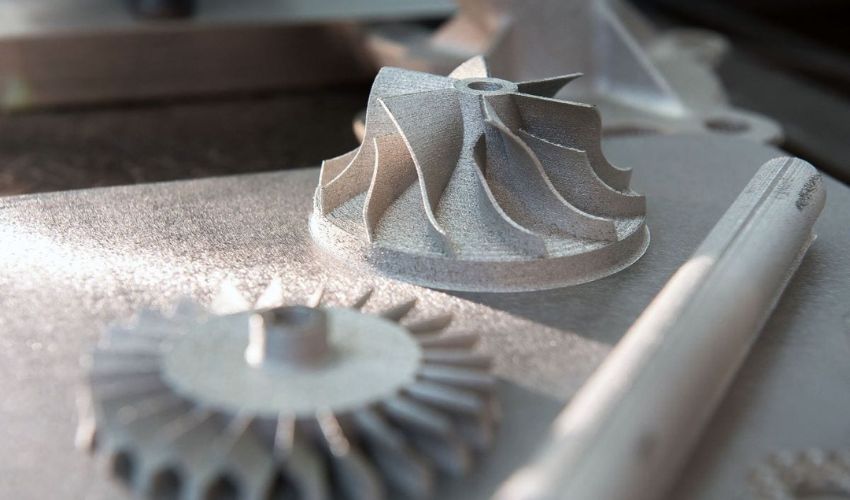 MaterialsNIST Announces Metal 3D Printing Breakthrough Which Could Help Spur Wider AdoptionOne of the biggest obstacles to widespread adoption of metal additive manufacturing is that we still have large gaps of understanding about what happens to the material during the process. More specifically, there are few tools which can show what…
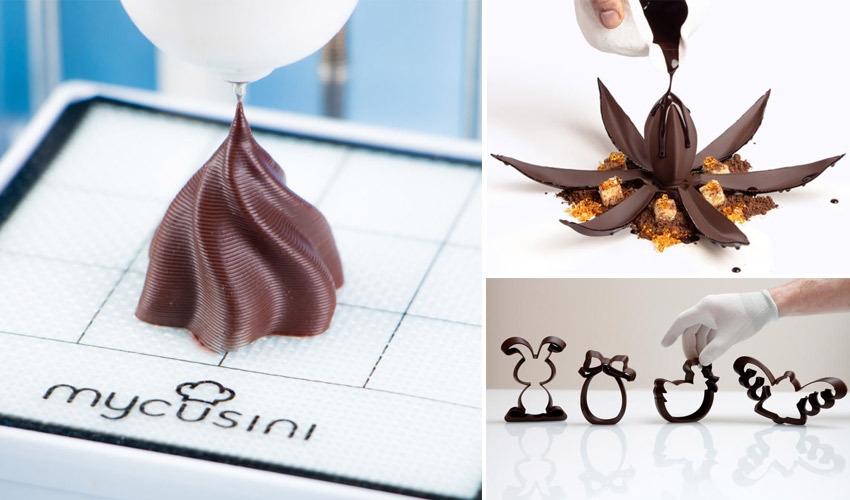 MaterialsSomething Sweet for Easter: 3D Printed Chocolate!It’s almost Easter and with it, its chocolates of all shapes and sizes as well as its always enticing sweets! At 3Dnatives, we love chocolate as much as 3D printing and that’s why we are highlighting today the different ways…
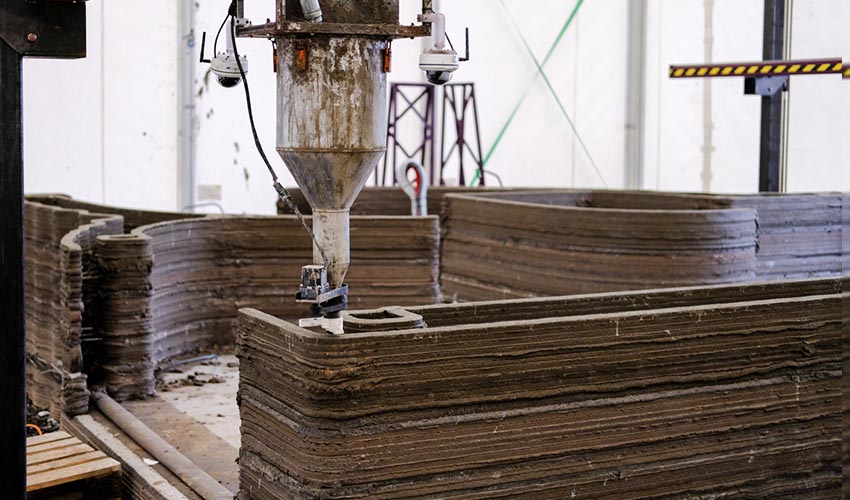 GuidesCOBOD on where the 3D printing construction industry is headedThe construction sector has undergone a real revolution following the introduction of robotic 3D printers, capable of manufacturing concrete buildings in a matter of hours. Many believe that concrete 3D printers can create an entire building, however they only create…
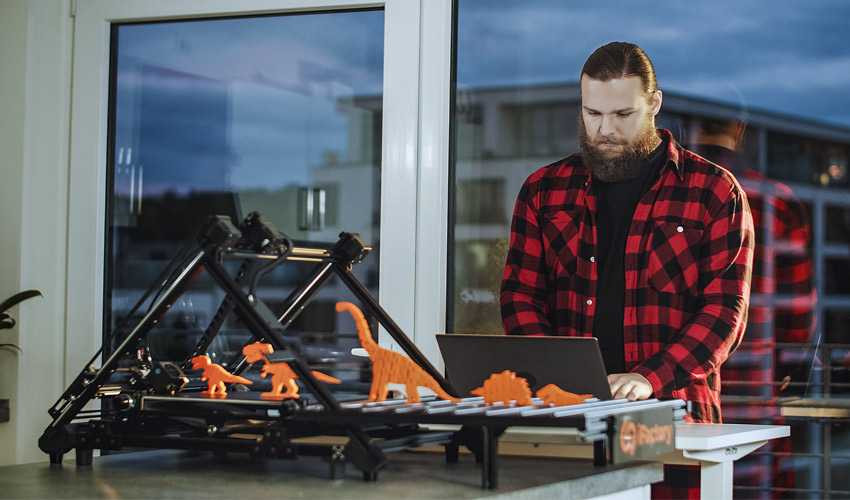 Printers#3Dstartup: iFactory3D develops conveyor belt 3D printer to print objects of infinite lengthThe young German startup, iFactory3D is a manufacturer of FDM desktop 3D printers that has developed a rather special machine that integrates a conveyor belt as the 3D printing plate. Called iFactory One, this solution allows to create parts of…
 ApplicationsADDITIV Medical World Puts a Focus on Different Applications for 3D Printing in HealthcareADDITIV Medical World is nearly here! The half-day event will be dedicated to exploring the intersection of medical 3D printing and healthcare in a series of panel discussions and workshops. Taking place on June 6th, 2023, it will be an…
 NewsTop 5 Videos: Emirates, GE & More!This week’s Top 5 Videos contains a variety of interesting videos from companies, and researchers. These range from new printing processes, to plans to build 3D-printing drone armies that can build shelters for those affected by natural disasters. Remember, a…