Guides
AMT on The Current Trends and Challenges of Post-Processing in 3D Printing
Thanks to recent technological advances in materials and production processes, the additive manufacturing industry continues to experience tremendous growth. In fact, according to some studies, 3D printing is generating greater acceptance and consolidation in a variety of applica
- 3 min read
- Guides
- Six more stories
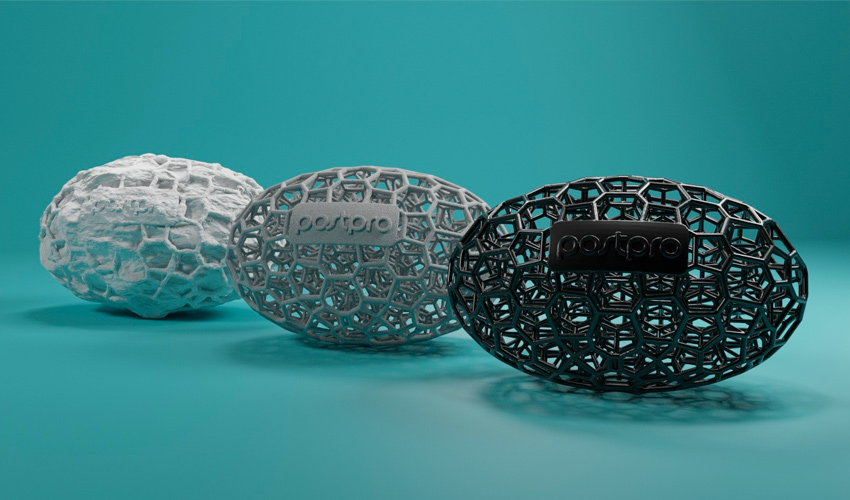
Thanks to recent technological advances in materials and production processes, the additive manufacturing industry continues to experience tremendous growth. In fact, according to some studies, 3D printing is generating greater acceptance and consolidation in a variety of application sectors. We have also seen that many companies are betting on developing new and innovative post-processing technologies, a phase of the process that is becoming increasingly important. One of them is Additive Manufacturing Technologies (AMT), a company founded in 2017 that specializes in post-treatment systems for 3D printed parts. Its main goal is to drive the adoption of this technology, not only to improve application performance, but also to scale up industrial production. To learn more about their patented technology and the vision they have for the current state of the additive manufacturing industry, we spoke with their founder and CEO, Joseph Crabtree.
3DN: Could you introduce yourself and tell us how you came up with the idea of creating AMT?

3DN: Which 3D printing methods and materials are compatible with your solutions?
We typically focus on thermoplastic polymers, specifically plastics designed for powder bed processes. This is really the technology that is being industrialized right now. When you look at who wants industrial amounts of manufacturing using AM, they are turning to powder bed fusion and thermoplastic polymers. Currently, polymers are our core focus, I do want to add however that we also have IP patents and intellectual property around metals and thermoset polymers. Maybe soon there will be some expansion into those additional opportunities as well. That said, our mission is to post-process every 3D-printed part.
More from the desk
Six other notes from the rest of the bench.
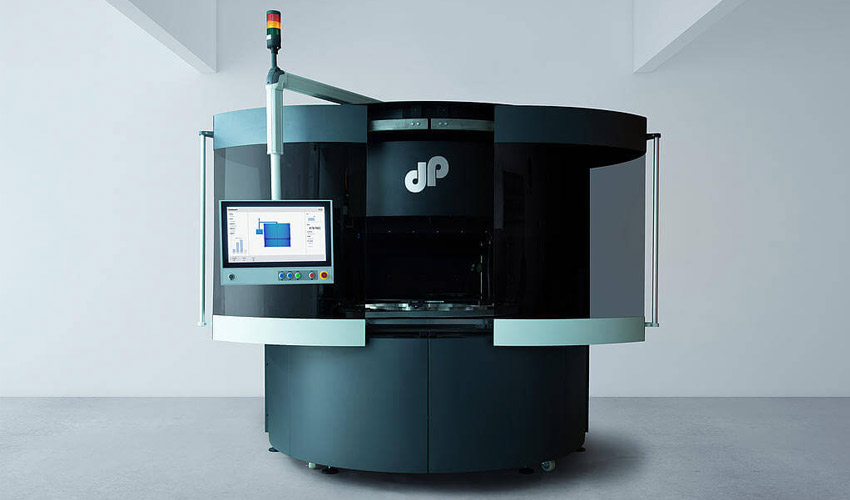 Guides#3Dstartup: dp polar develops AM system with continuously rotating platformBased in Germany, our startup for June is dp polar! The company has developed the first industrial 3D printer with a rotating printing build plate. Instead of having a print head that moves to deposit the material layer by layer,…
 NewsTiny Bauhaus building: custom high-design architecture thanks to 3D printingAectual, the construction-tech company based in Amsterdam is a digital platform and 3D print factory that produces a variety of architectural elements. Recently, they revealed that they teamed up with DUS architects to create a novel ‘Tiny Bauhaus’ building. The…
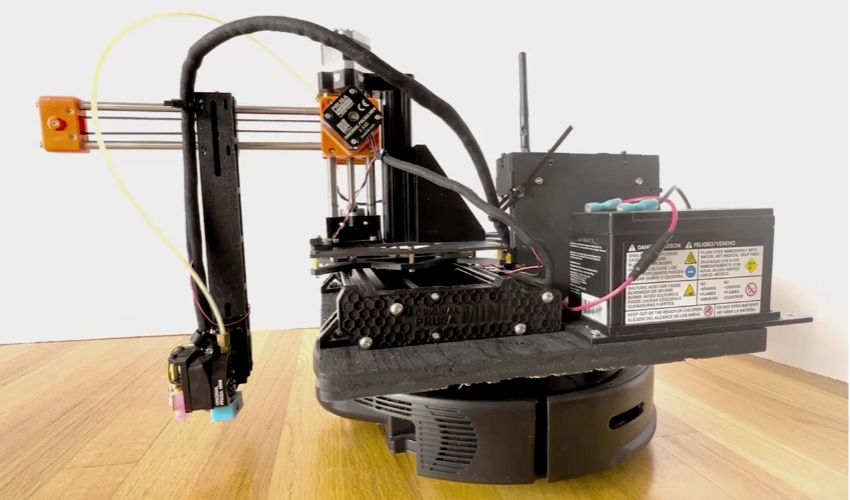 PrintersMobiPrint: The Autonomous 3D Printer That Could Revolutionize AccessibilityAll 3D printers, despite the diversity of technology, must be anchored in one place to print. They can, of course, be transported from place to place, but always by humans: none of them have a mechanism that allows them to…
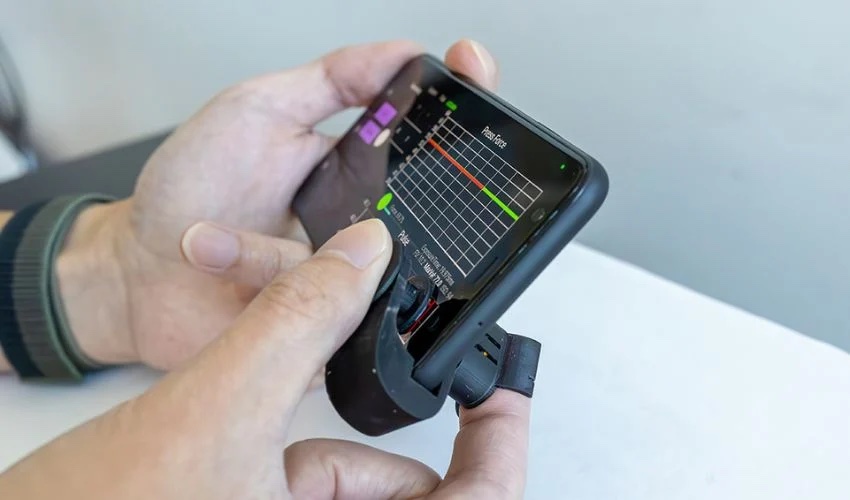 Applications3D Printed Attachment Turns Smartphone Into Blood Pressure MonitorAccording to the Centers for Disease Control and Prevention (CDC), hypertension was a primary or contributing cause of 691,095 deaths in the United States in 2021. Moreover, nearly half of all adults in the US, about 116 million individuals, have…
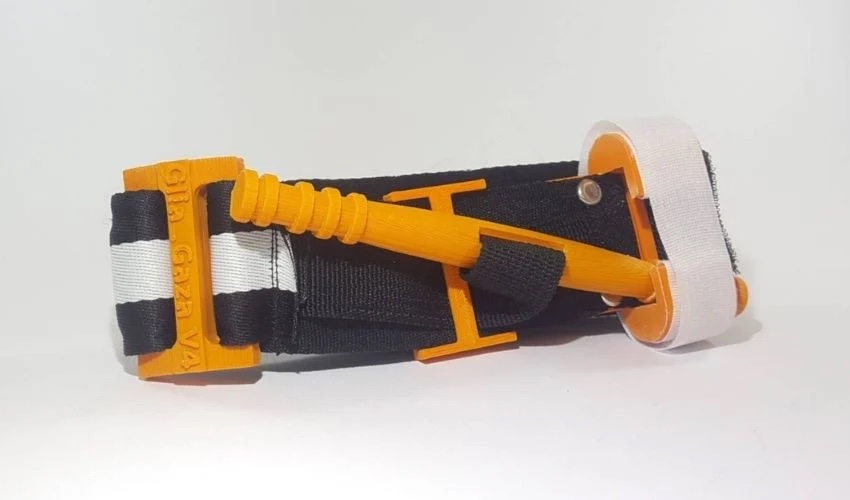 Applications3D Printed Tourniquets Could Help Save Lives in UkraineThe need for assistance to residents in Ukraine could not be more urgent due to the current Russian invasion. Aid organizations, States and even private companies have called for donations necessary for survival. From clothes, food or medicine – the…
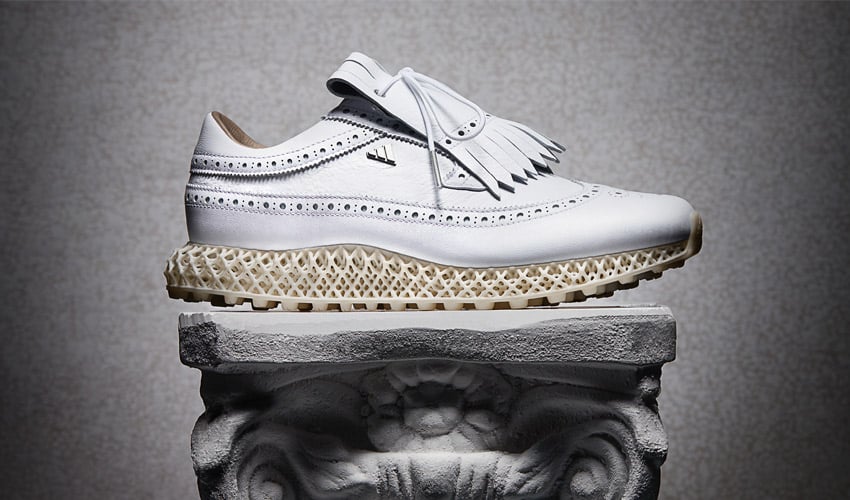 NewsAdidas and Its 3D Printed Golf ShoeAdidas has created a sensation on the green with the latest addition to its golf collection! The iconic three-striped brand has presented its first golf shoe equipped with a 3D-printed midsole. With this new pair, christened the Adidas MC87 4D,…