Guides
#3Dstartup: dp polar develops AM system with continuously rotating platform
Based in Germany, our startup for June is dp polar! The company has developed the first industrial 3D printer with a rotating printing build plate. Instead of having a print head that moves to deposit the material layer by layer,…
- 3 min read
- Guides
- Six more stories
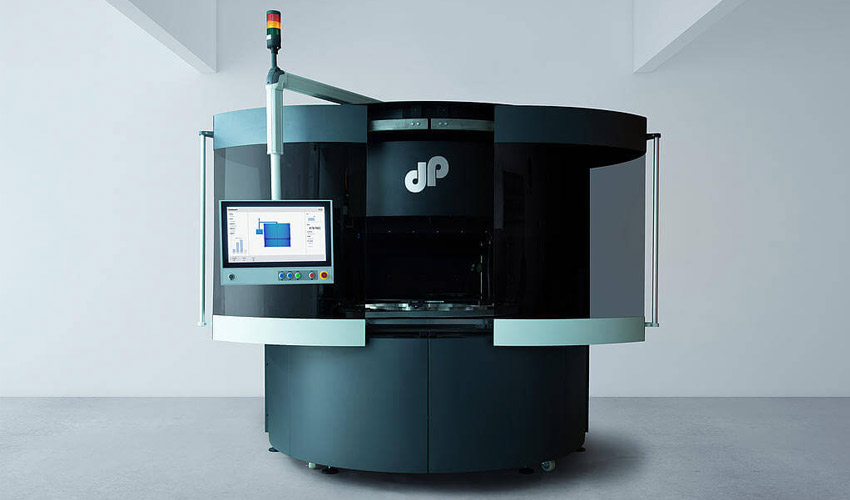
Based in Germany, our startup for June is dp polar! The company has developed the first industrial 3D printer with a rotating printing build plate. Instead of having a print head that moves to deposit the material layer by layer, the build plate rotates around it, offering greater productivity and above all, high repeatability. Called AMpolar® i2, the machine is also capable of combining several materials at the same time, thus multiplying the possibilities and final properties of the end part. We met with Florian Löbermann, Managing Director of dp polar, to learn more about this automated industrial production system and the future developments of the start-up.
3DN: Can you introduce dp polar and its link with 3D printing?
At dp polar, we have developed the world’s first AM system with a continuously rotating print platform – Made in Germany. Our patented system combines unparalleled productivity with high precision and thus paves the way from rapid prototyping to industrial series production. We are convinced that just having a productive printing system is not enough. The current lack of material properties is definitely hampering the adoption of 3D printing for industrial applications. Therefore, we are partnering with leading chemicals companies to develop materials for our AM system that can deliver large quantities of high-performance parts.
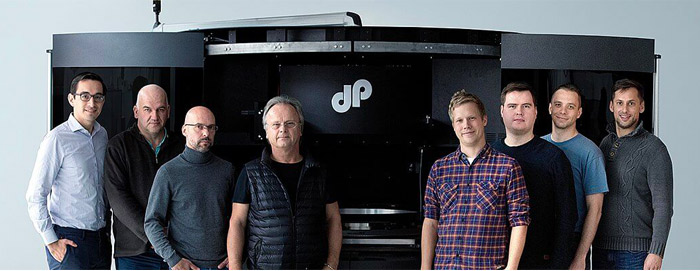
The dp polar team
3DN: How and when was the company launched?
dp polar was founded in 2014 by a successful serial entrepreneur with over 20 years of experience in digital printing for the pharmaceutical packaging industry. While digital printing is now mainstream for industrial production in the graphical industry, 3D printing is still mainly used for rapid prototyping applications or small production batches, because existing technologies lack productivity, cannot be easily automated, are not scalable and ultimately do not deliver the cost-per part required for large scale industrial production. This motivated us to develop a technology platform addressing all these issues and thus paving the way from rapid prototyping to automated industrial series production.
More from the desk
Six other notes from the rest of the bench.
 NewsTOP 5 videos of the week rockets, masks and more!A new selection of the best 3D printing videos of the week, just for you! Find our TOP 5 videos of the week below and tell us what your favorite video is in a comment or on our Facebook and Twitter page.…
 ApplicationsBioprinted epithelium model could accelerate COVID-19 vaccine testingDuring the current COVID-19 pandemic, many 3D printing companies launched initiatives to curb the spread of the virus. Many have put their solutions at the service of medical staff and patients by creating 3D printed respirators, ventilators, and other medical…
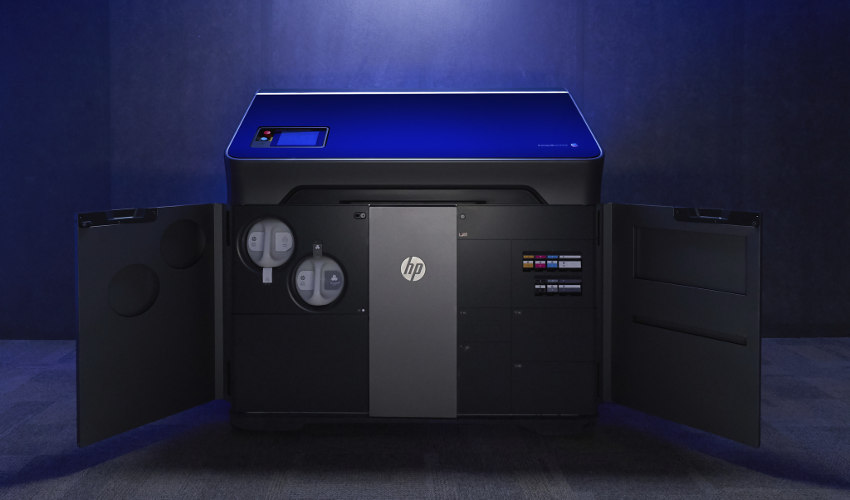 PrintersHP Announce 4 New 3D Printers Including Full-Color PrintersTechnology giant HP have continued their 3D printing mission by announcing 4 new 3D printers. These 3D printers still use their Multi Jet Fusion technology but are focused on small to medium-sized product development. HP have released their Jet Fusion…
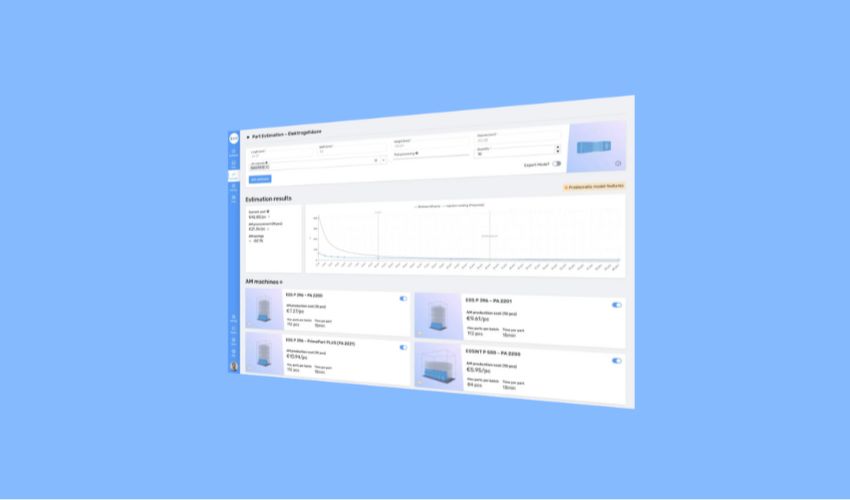 Software#Startup3D: SelectAM Helps Companies Identify the Right Parts to 3D PrintAdditive manufacturing (AM) is increasingly being used to produce final parts, yet many companies still resist adopting the technology. It can be difficult to transition from prototyping to small or even large batch production, especially if a company lacks AM…
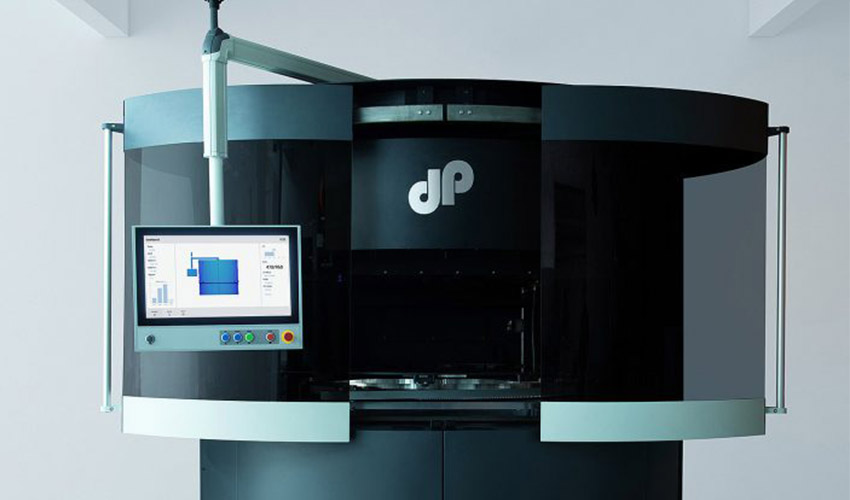 Printersdp polar presents its AMpolar i2 solution for industrial scale productionAt Formnext, 3Dnatives saw for the first time in person the AMpolar i2 from German manufacturer, dp polar. This machine seeks to be an additive manufacturing solution for industrial scale production, it employs the manufacturer’s proprietary technology, called High-Speed Rotative
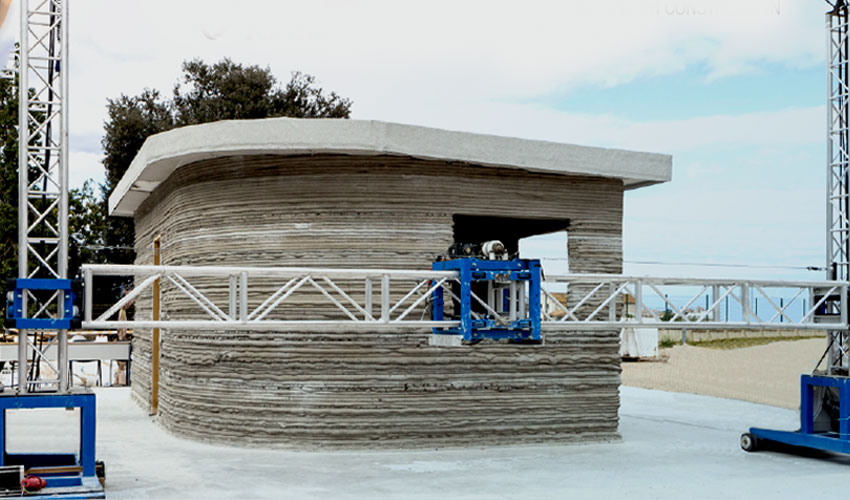 NewsBe More 3D launched the construction of the first 3D printed house in Africa3D printing in the construction sector is booming, in fact SmarTech Publishing estimated this market will reach $40 billion by 2027. As a result, more and more companies are joining this new wave of manufacturing, which not only saves materials…