News
The AMGTA Announces New Process to Transport and Recycle Metal Powder Condensate Waste
A new report has been released by the Additive Manufacturer Green Trade Association (AMGTA) outlining a new process to make it possible to passivate metal condensate waste for transport and recycling. The AMGTA, originally founded to promote the environmental benefits…
- 3 min read
- News
- Six more stories
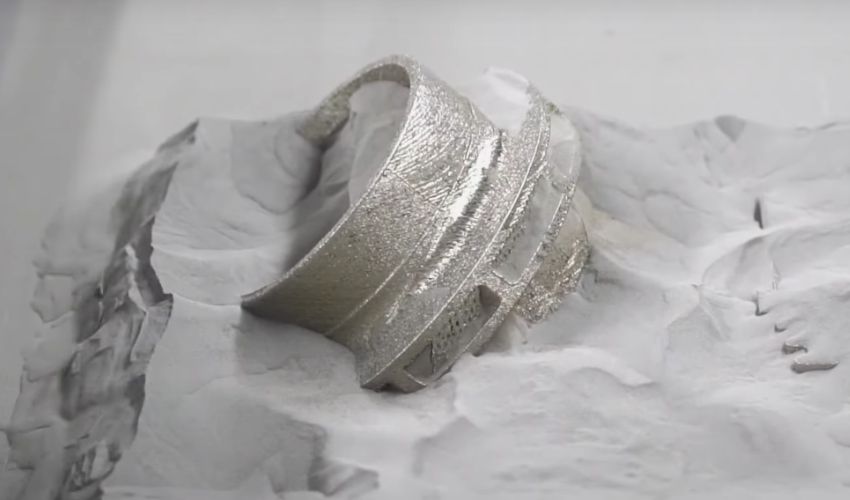
A new report has been released by the Additive Manufacturer Green Trade Association (AMGTA) outlining a new process to make it possible to passivate metal condensate waste for transport and recycling. The AMGTA, originally founded to promote the environmental benefits of additive manufacturing, stated that the new procedure, created by Sintavia, a member of the organization and KBM Advanced Materials, essentially includes mixing powder condensate waste with a removable resin, which makes the waste non-hazardous and thus safe to be transported to a recycling plant. Given the concerns many have around the issue of recycling powder, this could be a significant step forward for the industry in terms of sustainability.
You are probably aware that Powder Bed Fusion (PBF) is an additive manufacturing process especially popular with industries seeking a manufacturing method that allows them to design more complex parts. The aerospace, automotive, and medical sectors are especially fond of this technology, which gives them opportunities no other technologies can provide. However, despite its many benefits, it does have several downsides, including issues related to disposal of condensate created during the process. By looking at it from both environmental and commercial standpoints, the disposal of that hazardous waste has been a challenging question, to which an innovative answer was desperately needed. This special kind of powder condensate is a unique waste stream, that is composed of the splatter sieved out of a reused batch of metal powder.
Members of AMGTA (photo credits: Business Wire)
After researching a solution to overcome the obstacles faced by the hazardous waste, Sintavia developed a new promising process. Instead of mixing it with silicon oil and sand, as it did before, the new procedure involves mixing the powder condensate waste with a removable resin instead. During the testing of the new method, no hazardous situations were reported, and the air quality remained within acceptable limits. Sherri Monroe, the AMGTA’s Executive Director, shows confidence in the new process, explaining, “Today’s report is a must-read for any company involved in laser powder bed fusion metal additive manufacturing. Not only does this new process reduce transportation costs, but it is also reversible, meaning that metal recycling companies can have unsoiled access to the underlying powder once it is received—thus allowing for the potential to recycle waste material that previously had to be put in a hazardous waste landfill.”
More from the desk
Six other notes from the rest of the bench.
 PrintersWhat Are the Current Anycubic 3D Printers on the Market?Over the past few years, we have seen an increased “democratization” of 3D printing. That is to say, increasing numbers of manufacturers have been coming on the market with cheaper machines, making the technology more accessible to more people worldwide.…
 ApplicationsUniformity Labs Has Designed a 3D Printed Metal Roll Cage for a Solar-Powered CarUniformity Labs is a company specializing in manufacturing parts via 3D printing. Recently, they produced an ultra-low-porosity aluminum alloy (AISi10Mg) automotive component for a solar-powered race car. The part in question is a 3D printed roll cage that was made…
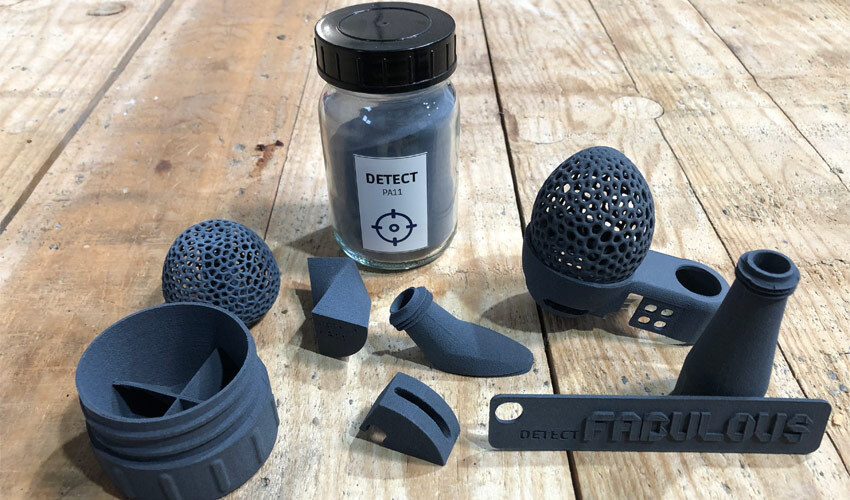 MaterialsFabulous is Presenting New Industrial Materials at Formnext 2021In 2020, Fabulous launched into the development of powders for additive manufacturing, more specifically thermoplastics for powder bed fusion processes. One of its first developments, BLUECARE, is a powder that has been certified for food contact in the European Union…
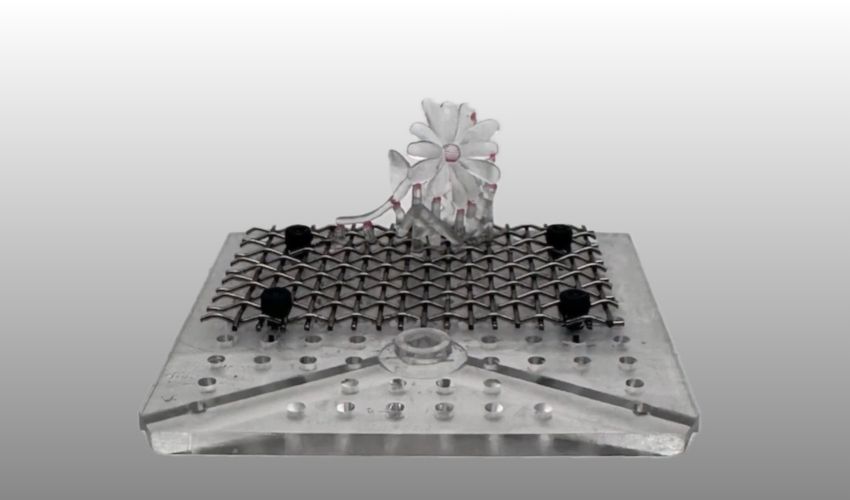 NewsMIT Researchers Find a Way to Reuse Resin 3D Printing SupportsIn resin 3D printing, support structures make it possible to produce complex geometries, overhangs, and very thin features that would otherwise collapse during printing. However, they also increase material consumption, require manual removal that can leave marks on the part’s&he
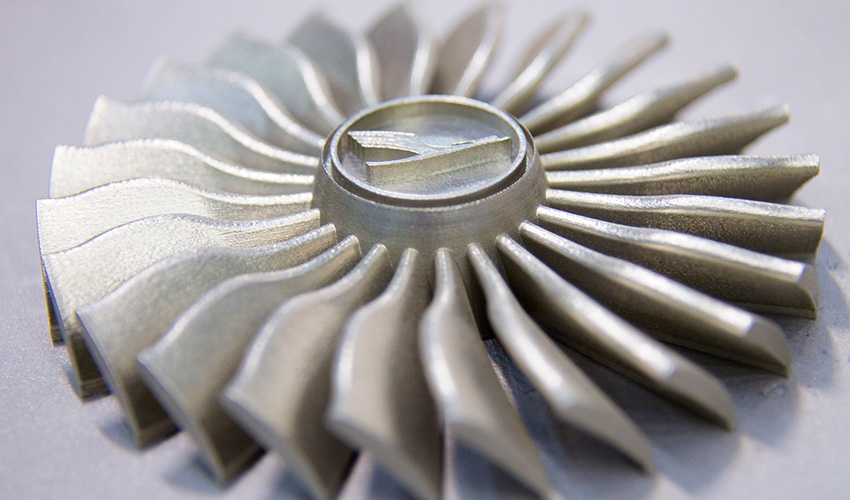 GuidesLufthansa Technik continues to leverage 3D printing technologies for its aircraftThe aerospace industry has been one of the earliest adopters of additive manufacturing technologies. Aerospace companies see an undeniable advantage in investing in 3D printing as it is extremely important for prototyping and tooling applications as well as end-part production.&h
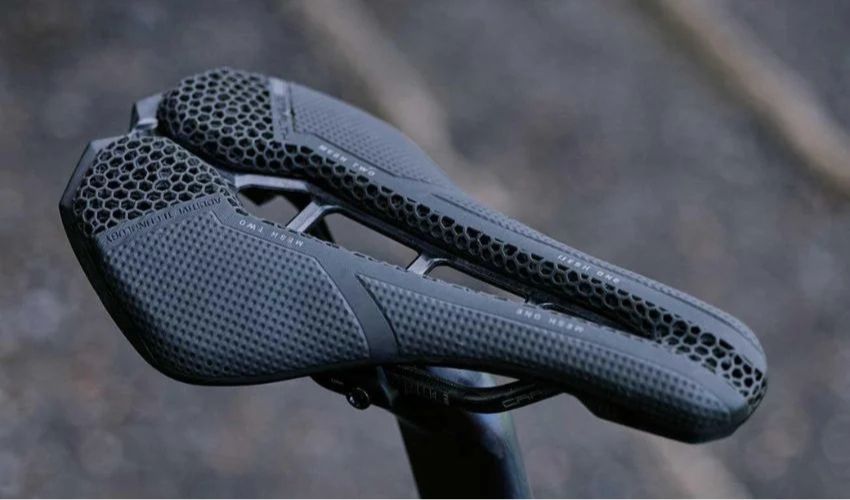 ApplicationsPRO Stealth 3D: A 3D-Printed Saddle for Improved Comfort and Performance3D printing is gaining momentum in the sports equipment sector, particularly in cycling. The Dutch brand PRO unveiled its first saddle featuring 3D-printed components: the Stealth 3D. This model uses additive manufacturing to improve rider comfort, optimize pressure distribution,