Materials
AMGTA Study Tests Sustainability of Energy Dynamics in Metal AM Feedstock
In recent years, additive manufacturing has seen a surge in focus on sustainability, driven by the combined efforts of industry leaders and organizations like the Additive Manufacturer Green Trade Association (AMGTA). Last week, a research study shed light on the…
- 3 min read
- Materials
- Six more stories
In recent years, additive manufacturing has seen a surge in focus on sustainability, driven by the combined efforts of industry leaders and organizations like the Additive Manufacturer Green Trade Association (AMGTA). Last week, a research study shed light on the intricate balance between energy consumption, environmental impact, and manufacturing efficiency within the AM ecosystem.
The AMGTA, a driving force in testing and promoting environmentally beneficial AM practices, recently unveiled the first results of its new study, “Specific Energy of Metal AM Feedstock: A Comparison.” This study, conducted in partnership with research consultancy Syntec Associates and industry innovator Divergent Technologies, delved into the energy requirements of various metal AM feedstock processing approaches.
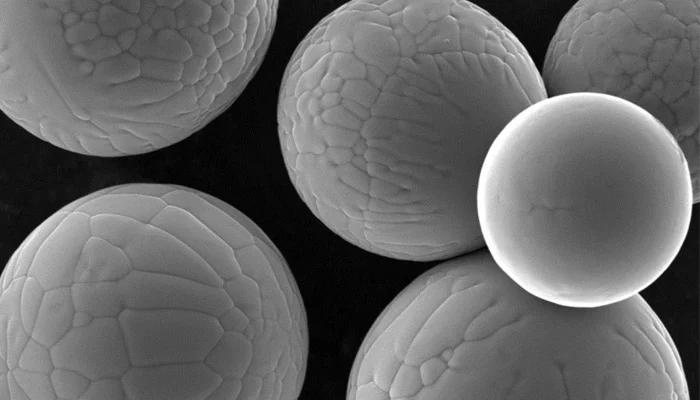
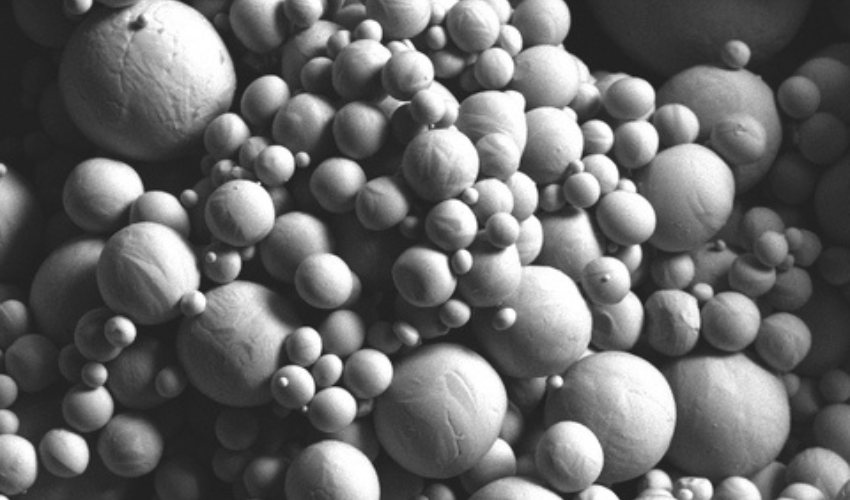
Powder is one of the main obstacles to the development of metal additive manufacturing
Gas atomization, mechanical milling (specifically ball milling), and wire drawing emerged as the primary focus for sustainable feedstock production. Gas atomization, while often praised for its potential in producing stock powders, faced criticism within the study due to producing wide variations in reported energy consumption. The research delved further, detailing the interplay of material properties, gas selection, and process parameters influencing energy consumption during gas atomization.
More from the desk
Six other notes from the rest of the bench.
 Guides#3DStartup: Synteris Optimizes the 3D Printing of Technical Ceramics3D printing has revolutionized many industries thanks to its ability to create complex, customized geometries using a variety of materials. Among these, ceramics have emerged as a very attractive option due to their properties (high wear resistance, thermal stability, corrosion&h
 Applications3D Printed Insole Project Could Help Prevent Amputations Due to Diabetes in AustraliaResearchers at the Queensland University of Technology (QUT) Centre for Biomedical Technologies have been awarded a $810,000 AUD Medical Research Future Fund Primary Health Care Digital Innovations Grant to 3D print low cost, personalized, pressure off-loading insoles. These inso
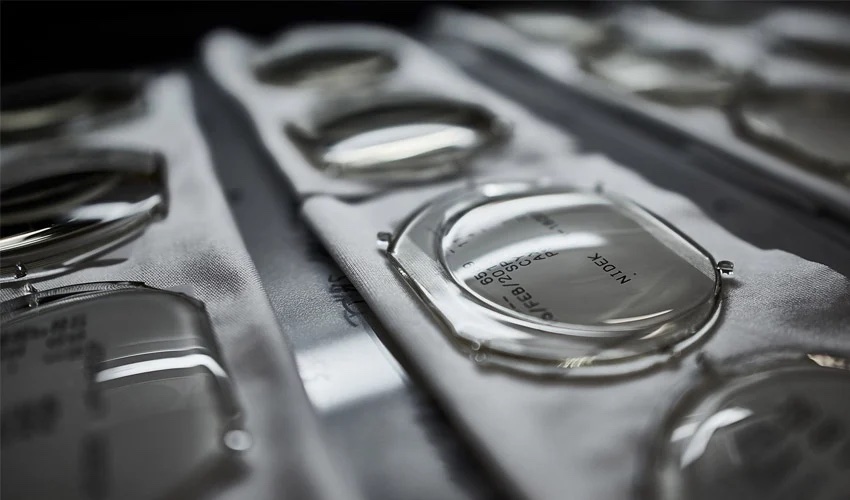 NewsMeta Has Acquired Luxexcel, Establishing a Foothold in the 3D Printing SectorMeta, the parent company behind the Facebook, WhatsApp and Instagram, announced a few days ago the acquisition of a company specialized in the manufacturing of 3D printed lenses, Belgian-Dutch Luxexcel. This business had already raised several million euros to market…
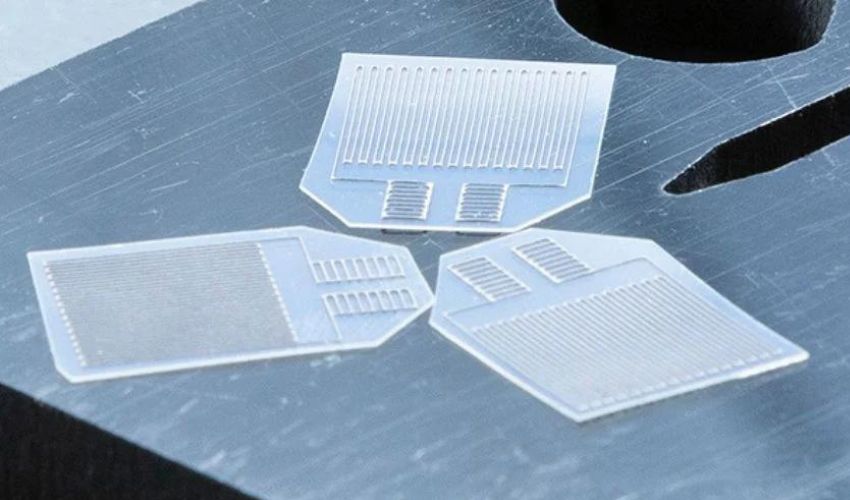 ApplicationsSensors for Future NASA Missions To Be Manufactured With Additive TechnologyThe aerospace sector stands out as a prime beneficiary of additive manufacturing‘s advantages. Through 3D printing, intricate, lightweight components can now be designed and produced with unprecedented speed and efficiency, revolutionizing not only aerospace but various oth
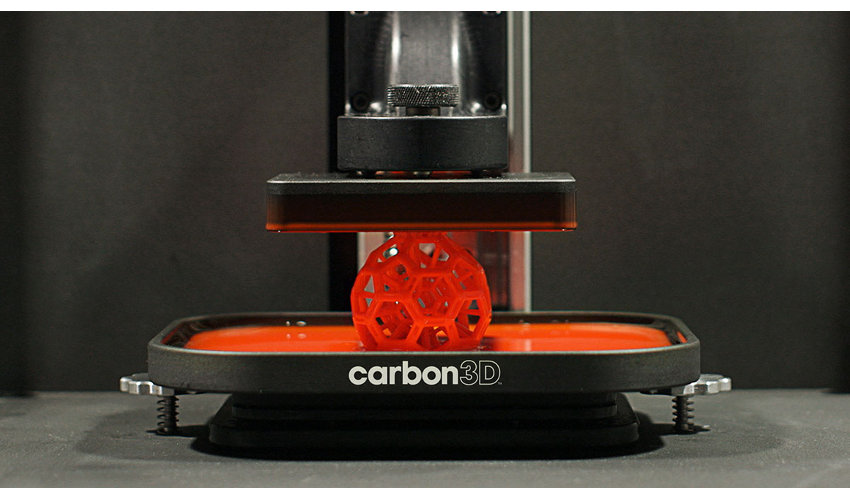 NewsCarbon 3D receive $200M Investment to bring Adidas Futurecraft 4D WorldwideYou may remember Carbon 3D from their TED Talk about “What if 3D printing could be 100 times faster?” Carbon 3D are known for designing super-fast 3D printers for use in design and manufacturing, and have announced a $200M funding…
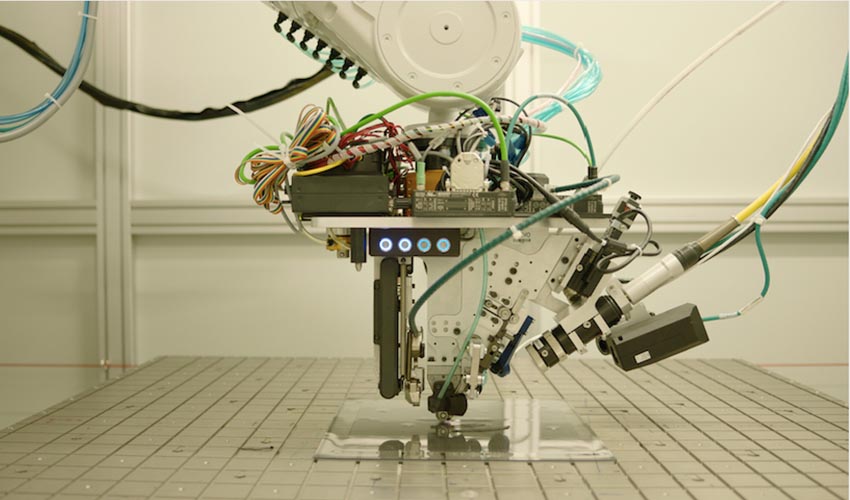 GuidesAREVO launches world’s first high-speed AM composite systemAREVO, a young Californian company, is known for having developed an additive manufacturing platform to transform composites production in the AM sector. As you may know, composites represent a growing segment in this industry, and have started competing with some…