Applications
3D Printed Insole Project Could Help Prevent Amputations Due to Diabetes in Australia
Researchers at the Queensland University of Technology (QUT) Centre for Biomedical Technologies have been awarded a $810,000 AUD Medical Research Future Fund Primary Health Care Digital Innovations Grant to 3D print low cost, personalized, pressure off-loading insoles. These inso
- 3 min read
- Applications
- Six more stories
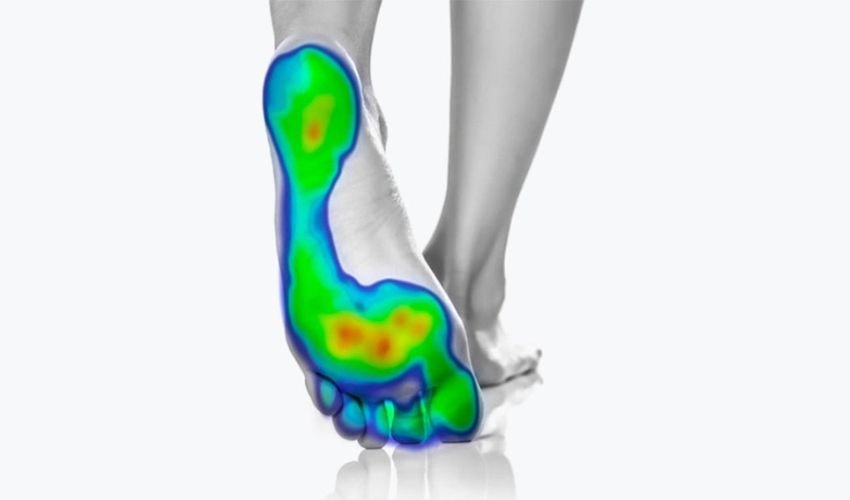
Researchers at the Queensland University of Technology (QUT) Centre for Biomedical Technologies have been awarded a $810,000 AUD Medical Research Future Fund Primary Health Care Digital Innovations Grant to 3D print low cost, personalized, pressure off-loading insoles. These insoles will be used to help increase care for people with diabetes-related foot disease who are living in remote areas of Australia. The work hopes to address a critical point in diabetes care, preventing the development of diabetes-related foot ulcers forming as well as helping in their treatment. This is very important since it is these very ulcers who often contribute to a higher risk of developing amputation in diabetic patients.
The prevalence of diabetes is rising the world. In 2021, 537 million adults were living with diabetes in, according to the IDF Diabetes Atlas. Moreover, the majority of these live in low- and middle-income countries, encompassing about 3 in 4 adults with diabetes. Coupled with that, reports have shown that these amputations may also have been increasing over years with the Office of Disease Prevention and Health Promotion noting that a decrease of the incidents is desired. The need to decrease is unsurprising considering that according to USA Vascular Centers, approximately 20% of amputee patients will be deceased within a year after an amputation and 44.1% will be deceased within 5 years after minor lower extremity amputation, resulting in a death rate of around 60% within that same period. As such there is a clear need to find more effective and easier to implement treatments, such as this one, wherein 3D printing will be used for more cost-effective and personalized treatment.

Pictured from back left: Associate Professor Peter Lazzarini, Professor Mia Woodruff, Dr Sean Powell, Dr Edmund Pickering, Associate Professor David Holmes, Alex Terrill (photo credits: QUT)
Treating Diabetes With 3D Printed Insoles
This is certainly not the only time that 3D printing has been turned to for help with diabetes treatment. But as mentioned, one of the important factors in this particular research is that it will help get aid to people living in regional and remote areas who have reduced access to podiatry services. In order to do this, the team will be developing and evaluating low-cost foot scanning technologies coupled with 3D printed technologies to develop the solutions. Professor Mia Woodruff, one of the leaders of the project research team, explains further:
More from the desk
Six other notes from the rest of the bench.
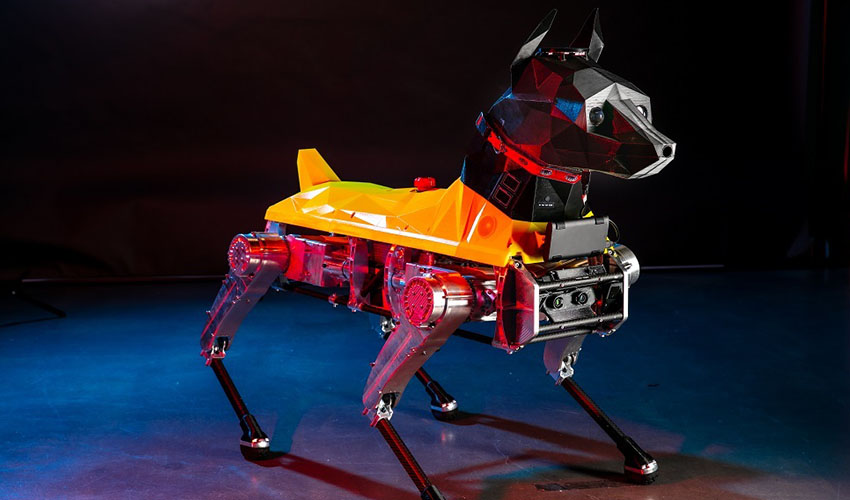 NewsScientists create 3D printed robot dogA group of scientists at Florida Atlantic University (FAU) have created Astro, a robodog. Using deep learning and artificial intelligence (AI) this quadruped robot is capable of seeing and hearing. This prototype was created at FAU’s Machine Perception and Cognitive…
 NewsAML3D Moves Into US Utilities Through Sale of 3D Printer to TVAThis year, we have seen a surge in popularity in large-format additive manufacturing solutions. Directed energy deposition especially has seen quite a lot of buzz, with applications in aerospace and defense taking center stage. Now there is yet another. AML3D…
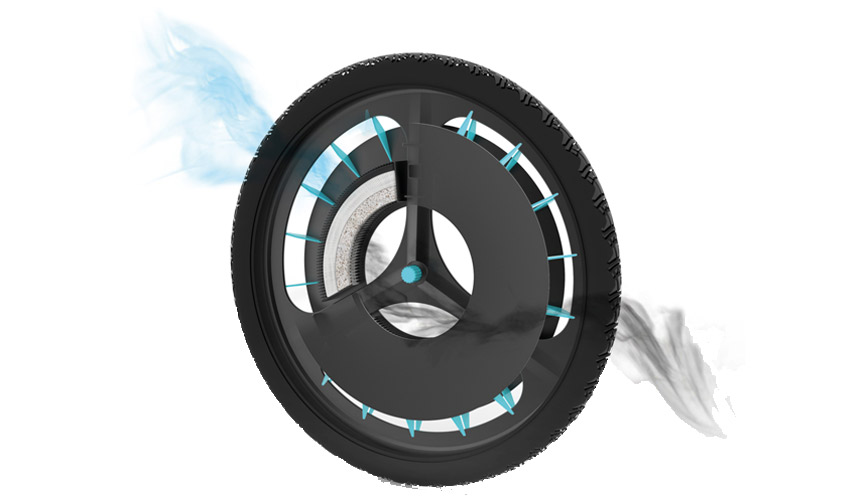 NewsAir purifying bicycle wheel made with 3D printingPeople switching from cars to bicycles is already an important step towards cleaner air, especially in big cities, where the pollution is reaching alarming levels. But what if we could take it a step further? What if your bicycle could actually…
 NewsTop 5 Videos: 3D printing for e-bikes and moreThis week we found the top 5 videos about 3D printing and the way additive manufacturing is changing production. The technology has infiltrated many sectors, from medical to automotive – check our selection of the week to keep up with the innovations! If you enjoy these, you&hell
 NewsA House 3D Printed in 58 Hours Is Donated to Soldier in Ukraine3D printing has once again proved its worth in the construction sector: Ukrainian start-up UTU, a manufacturer of 3D printers for houses, has just completed the manufacturing of a home in the town of Irpin, west of Kiev. This is…
 NewsCECIMO study Shows Positive Results for the European Additive Manufacturing MarketCECIMO, the European Association of the Machine Tool Industries and related Manufacturing Technologies, has published the third edition of its European study dedicated to additive manufacturing. Conducted over a 6-month period, it focuses on four specific points to identify certa