News
American researchers prints a functional 3D brain
Researchers at the Johns Hopkins University have succeeded in printing a functional 3D brain for a mouse! A first in the medical world that shows how bio-printing could advance research especially in the surgical sector. The researchers have collaborated with the American company
- 3 min read
- News
- Six more stories
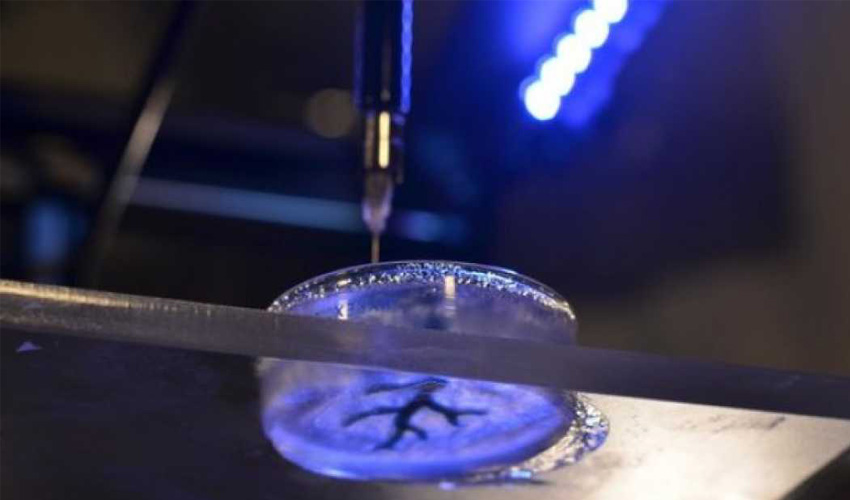
Researchers at the Johns Hopkins University have succeeded in printing a functional 3D brain for a mouse! A first in the medical world that shows how bio-printing could advance research especially in the surgical sector. The researchers have collaborated with the American company Organovo to create this organ and successfully implanted it in a mouse that still lives today and whose intellectual faculties have been improved.
The bio-printing is growing more rapidly and again shows its full potential: this technology to create cell structures would enable to produce functional organs using this method. So far several researchers have succeeded in creating a liver, an already considerable advance; the Johns Hopkins University now exceeds this progress by printing a functional 3D brain for a mouse after several years of research.
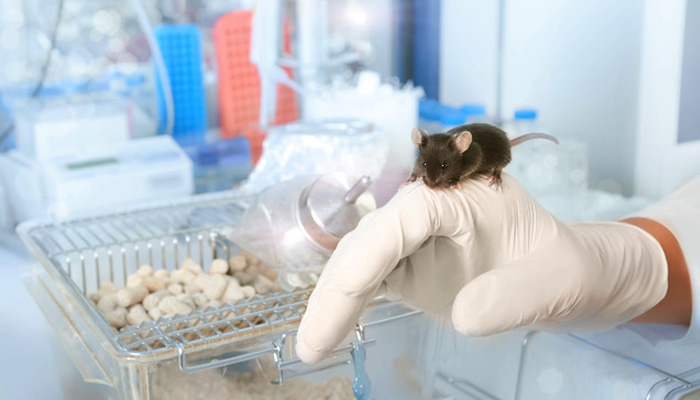
A functional 3D brain to improve the intellectual capabilities
Thanks to the expertise of the American company Organovo, they used a bio-inkjet printer capable of depositing droplets of bio-ink also called biotins. These are extracted on a culture plate or a hydrogel support and form, layer by layer, the desired organ. Here, researchers from the Johns Hopkins University developed glial cells that they mixed with neurons to create the appropriate biotins. They have now been able to bio-print a brain they implanted successfully in a mouse.
More from the desk
Six other notes from the rest of the bench.
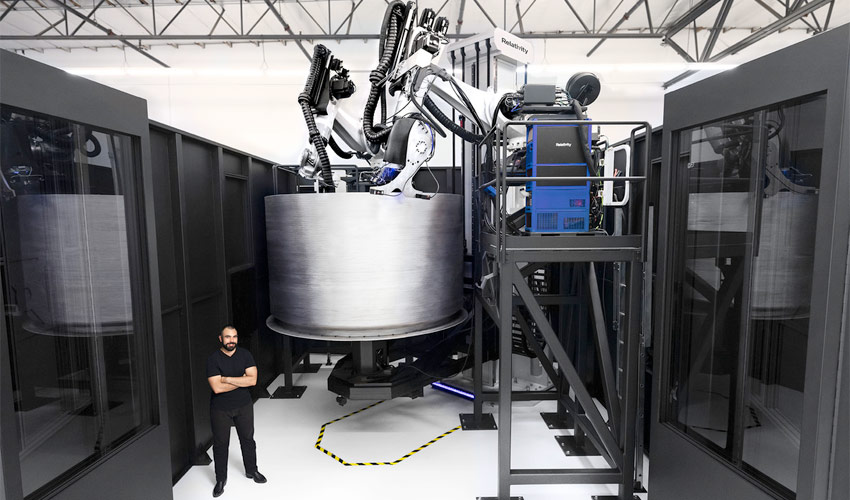 NewsRelativity Space raises $140 million to become first company to launch entirely 3D printed rocket to orbitThe American startup Relativity Space, specialized in the design of 3D printed rockets, has just raised $140 million, adding to the 45 million already obtained since its creation in 2015. This new amount should enable the young company to complete…
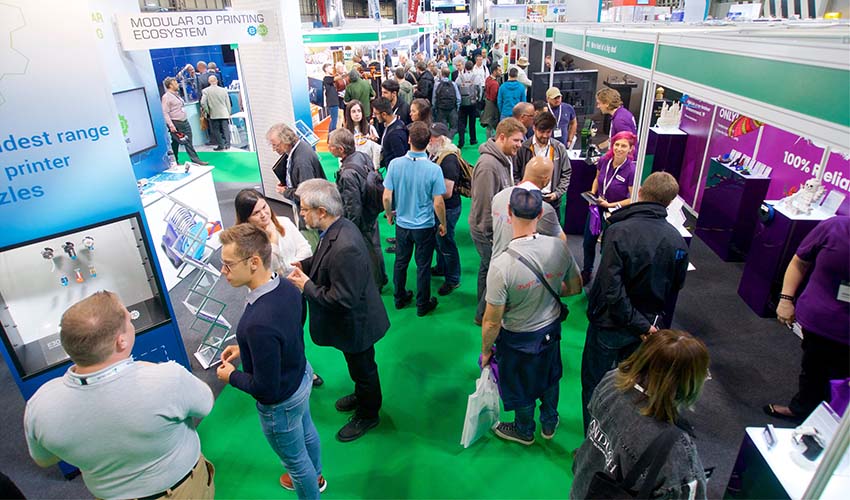 NewsWhat can you expect at TCT Show in Birmingham?On the 24th of September, TCT Show will open its doors to almost 10,000 visitors for the three-day event. The event will showcase the latest additive manufacturing technology solutions and innovations from nearly 300 leading exhibitors including HP, Ultimaker, Trumpf,…
 ApplicationsSakuu Announces the Launch of its 3D Printing Platform to Make Solid State BatteriesCan you imagine an AM platform that could 3D print your electric car battery? This is the dream that the American company Sakuu – formerly KeraCel – hopes to achieve by the end of 2021. In partnership with Musashi Seimitsu…
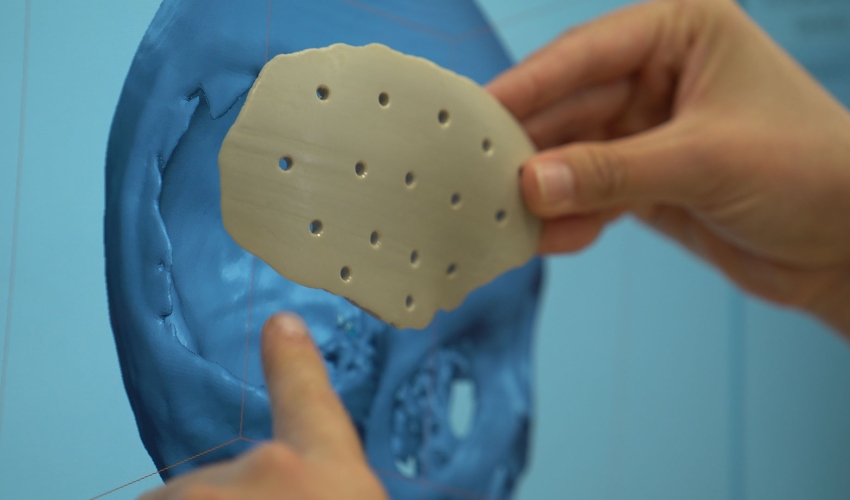 GuidesKumovis on Decentralizing Production of Plastic Medical Devices and ImplantsThose who have been following our news for a while will certainly be familiar with the startup Kumovis. Because in 2018, only one year after its founding, Kumovis was already among the winners of the Formnext Startup Challenge. A year…
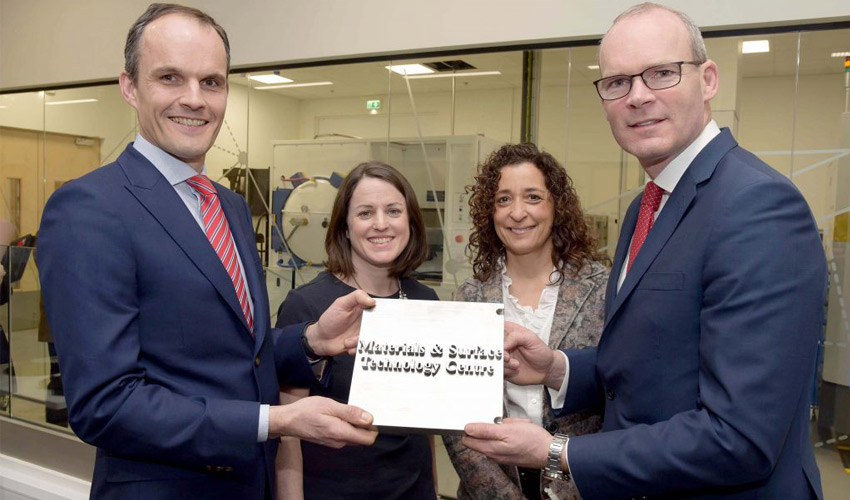 ApplicationsDePuy Synthes invests €36M to develop medical 3D printingJohnson & Johnson-owned franchise, DePuy Synthes Ireland is investing €36 million to establish a 3D Printing Development and Launch Center in order to accelerate its additive manufacturing projects. The company is a global leader in orthopaedic and neurological solutions incl
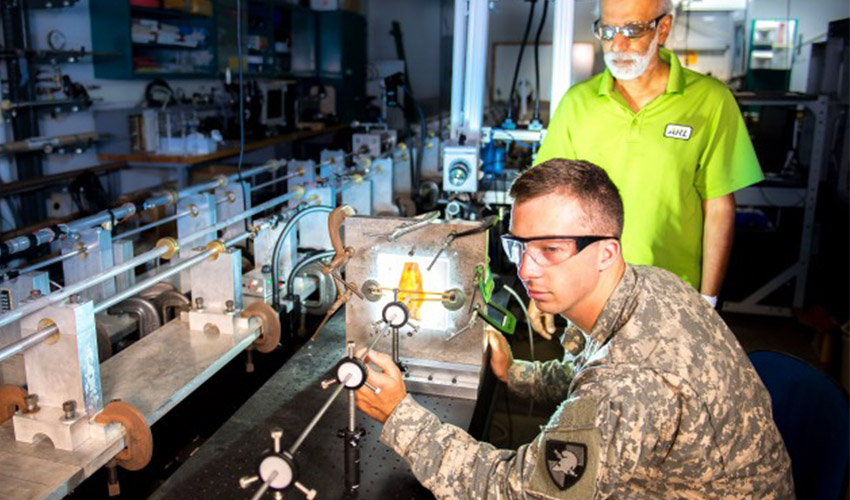 NewsUS Army studies how to predict when metal AM parts will degrade or failAs you may know, the US Army has been investing in additive manufacturing technologies to leverage the benefits of increased design freedom, shorter lead times, lower costs for unique parts, and increased performance. In fact, US Army researchers from the…