News
Aleph Objects and FluidForm announce exciting bioprinting collaboration
Aleph Objects Inc., based in Colorado and manufacturer of LulzBot 3D printers, known for being free to be copied, modified and converted by all users had an exciting announcement. Recently, they announced a new bioprinting hardware coming this summer with…
- 3 min read
- News
- Six more stories

Aleph Objects Inc., based in Colorado and manufacturer of LulzBot 3D printers, known for being free to be copied, modified and converted by all users had an exciting announcement. Recently, they announced a new bioprinting hardware coming this summer with the long-term goal of creating real functional tissues. It is true that bioprinting technologies are seeing a tremendous growth and many groundbreaking advancements have happened in the last few months. Maybe one of the most groundbreaking was the small 3D bioprinted heart developed by researchers from Tel-Aviv! Well, manufacturers are also investing in this segment of AM.
In fact, in order to do so, Aleph Objects will collaborate with FluidForm Inc., an innovator in 3D bioprinting. Its FRESH technique enables 3D printing of bioinks and other soft materials. Through this collaboration, both companies will combine their expertise to offer new bioprinting solutions. The first solution we will see is a new bioprinting hardware coming this summer. Adam Feinberg, FluidForm CTO explains, “We’re still at the very beginning of being able to build real functional tissues with 3D bioprinting. Collaborations like the one we are building with LulzBot will help make this a reality faster”.
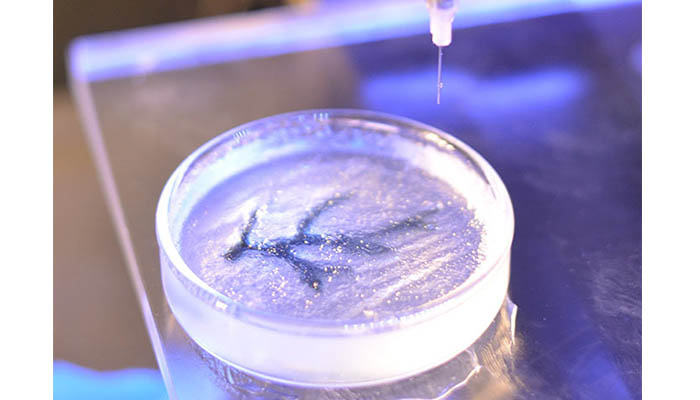
FluidForm’s FRESH bioprinting technique harnesses the power of non-newtonian gels to allow movement through a material like it’s a liquid, while supporting deposited material like it’s a solid | Credits: FluidForm
It is true that bioprinting technologies are revolutionizing applications across a wide spectrum of industries – including pharmaceuticals, regenerative medicine, drug screening, food and other animal products, cell-based biosensors, and testing of healthcare and other health care goods. One important application of bioprinted tissues is for cosmetics testing. It is expected that within the next decade major pharmaceutical companies will be able to replace some animal testing with relevant 3D bioprinted human tissues.
More from the desk
Six other notes from the rest of the bench.
 NewsSiemens and E.ON reach milestone with 3D printed turbineAdditive manufacturing has revolutionised developments and production across various industries. It has made it possible to progress in everything from automotive to aerospace. Now it can be taken a step further in helping the energy sector. As 3D printing makes…
 NewsMetal additive manufacturing continues to grow rapidlyThe research firm Technavio has just published its report on the international metal additive manufacturing market. According to the market research company, the metal AM segment should grow by 4.42 billion dollars over the period 2020-2024, which represents an annual…
 NewsThe growth of automotive additive manufacturingUS research firm SmarTech Publishing has just completed a new report on additive manufacturing in the automotive sector. It expects this market to reach $5.3 billion in 2023 in terms of revenue and $12.4 billion in 2028. A significant growth…
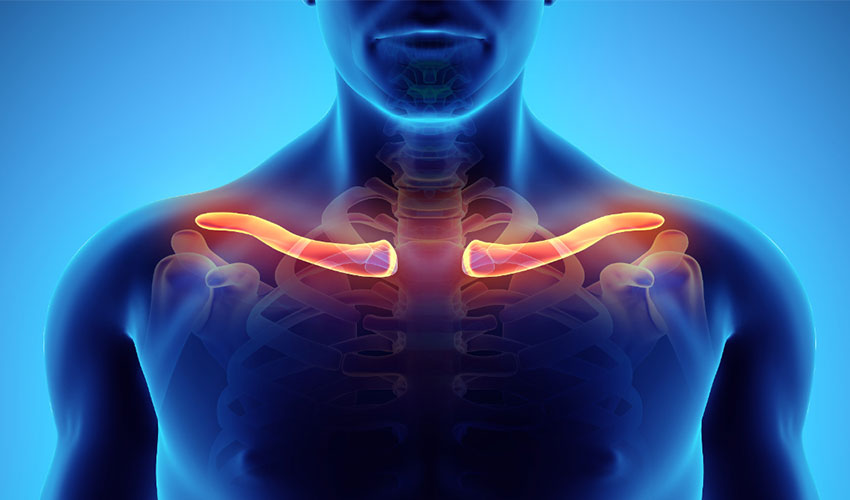 ApplicationsChina 3D Prints First PEEK Clavicle ImplantThe medical team at Kunming Medical University Hospital in China, in collaboration with the company IEMAI 3D successfully transplants the first clavicle printed in 3D with PEEK. What does this milestone mean for the medical sector? How important is the…
 NewsFamily moved into social housing project with 3D printed house3D printing in construction have gained popularity over the past few years. Two years back the Yhnova project was launched, with the various stakeholders demonstrating how 3D technologies could be used to buildaffordable and sustainable housing. Now the 3D printed…
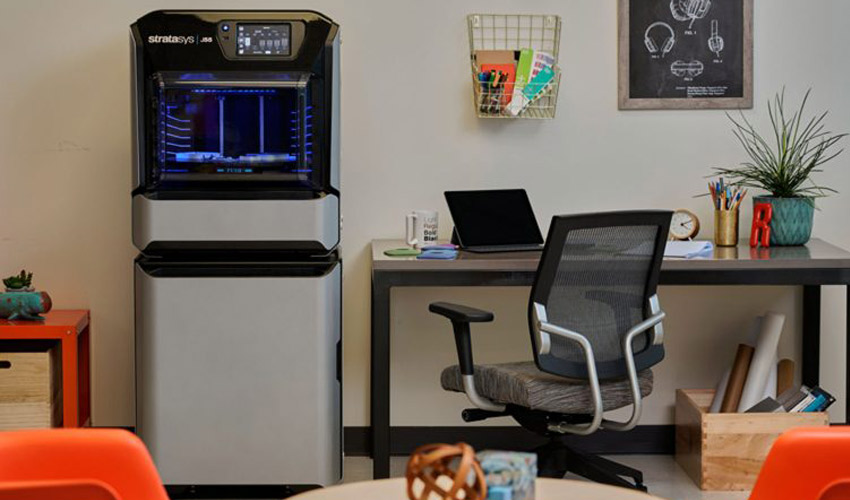 PrintersStratasys J55: A PolyJet desktop 3D printer that offers thousands of coloursThe manufacturer Stratasys has just launched its new PolyJet machine: the J55 is a compact solution, suitable for all designers who want to bring their designs to life. The printer is smaller but retains its multi-material and multi-colour capabilities: it…