News
Aetrex partners with EOS to 3D print its thinnest orthotic insole
Medical footwear market is estimated to grow significantly in the near future, with more people becoming aware of the importance of therapeutic footwear and more companies offering a wider range of solutions. One of the biggest manufacturers on this arena…
- 3 min read
- News
- Six more stories
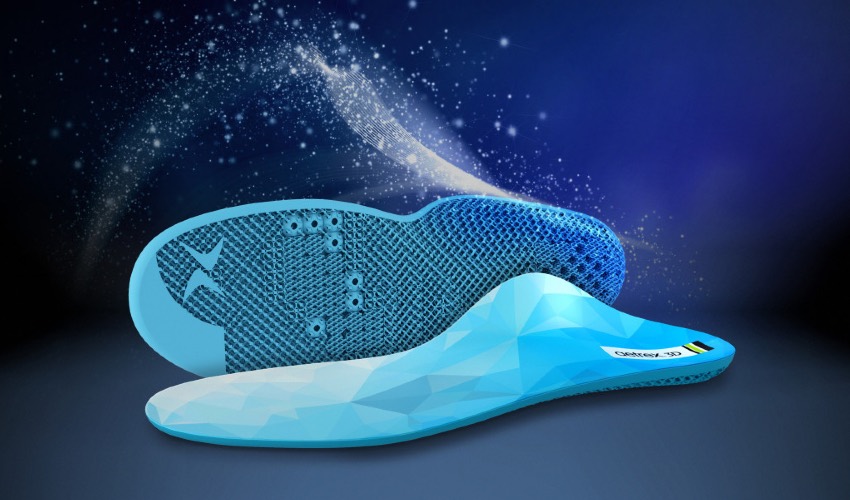
Medical footwear market is estimated to grow significantly in the near future, with more people becoming aware of the importance of therapeutic footwear and more companies offering a wider range of solutions. One of the biggest manufacturers on this arena is Aetrex Worldwide Inc. For years, the company has been integrating advanced technologies to fabricate shoe insoles, particularly focusing on wellness footwear products. Recently, Aetrex has partnered with EOS, a leading German 3D printer manufacturer, to create its thinnest orthotic insole. How did the use of additive manufacturing benefit Aertrex in the production of its newest orthotic insole?
Orthotic insole is a removable shoe insert, also known as a foot orthosis, which – apart from providing an increased level of comfort to the wearer – is used for therapeutic purposes. Whether it is for arch support, joint pain relief, or other orthopedic reasons, the demand for orthotic insoles keeps growing. To be ahead of the competition Aetrex designed highly customizable, 3.5mm thin orthotic insole using EOS’ 3D printing technology. One of the main advantages of AM for the American manufacturer is high flexibility of material strength and structure, as it means that Aertrex’s products can be perfectly fitted to the wearer’s anatomy.
All image credits: Aetrex
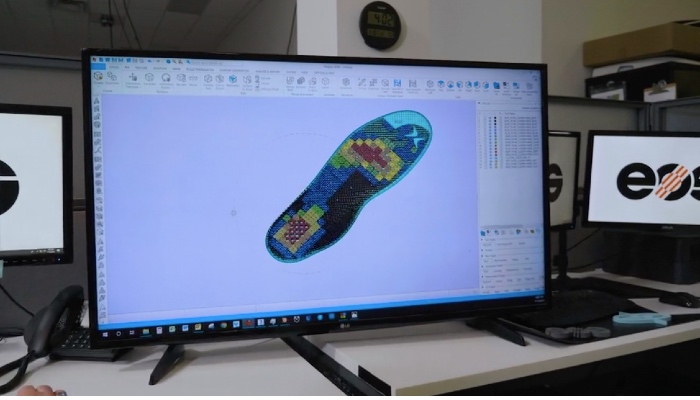
Aetrex used customer data collected through Albert 3D scanner – the company’s own development, which they presented a few years ago and which is now considered to be one of the best foot scanning systems in the world. The captured data is sent to the EOS 3D machine, which prints the 3.5mm thin insole by taking into account the measurements of the individual’s pressure point distribution. EOS used its Digital Foam platform to develop the lattice structure; the material of choice was TPU. At the end, each 3D printed insole is perfectly tailored to the customer’s foot.
More from the desk
Six other notes from the rest of the bench.
 PrintersChoosing a 3D Printer: A Closer Look at 5 Models on the MarketThe number of 3D printers on the market has increased exponentially in recent years, giving anyone access to machines of different brands and price ranges available, making a wide range of printing technologies accessible, including FDM, SLA, SLS, and PBF.…
 NewsFord and HP Use Recycled 3D Printing Materials to 3D Print New Auto PartsAfter the decision to once again turn to 3D printing for its manufacturing processes, Ford has joined forces with HP. The pair are set for an industry first, turning used 3D printed parts and powders into injection molded auto parts.…
 Applications3D Printing To Lead Prototype Development for McLaren F1 RacingShifting further towards sustainable engineering and manufacturing, McLaren Racing, F1’s first carbon-neutral team, has fully embraced 3D printing as the cornerstone of its prototype development process. The company reports that it is 3D printing more prototypes than engineering
  NewsTop 5 Videos of the Week: Lamborghini fans receive a gift from the manufacturer itself!This week we found the top 5 videos about 3D printing and the way additive manufacturing is shaping our society. The technology has infiltrated many sectors, from medical to automotive! Check out our selection of the week to keep up with the innovations! This week we…
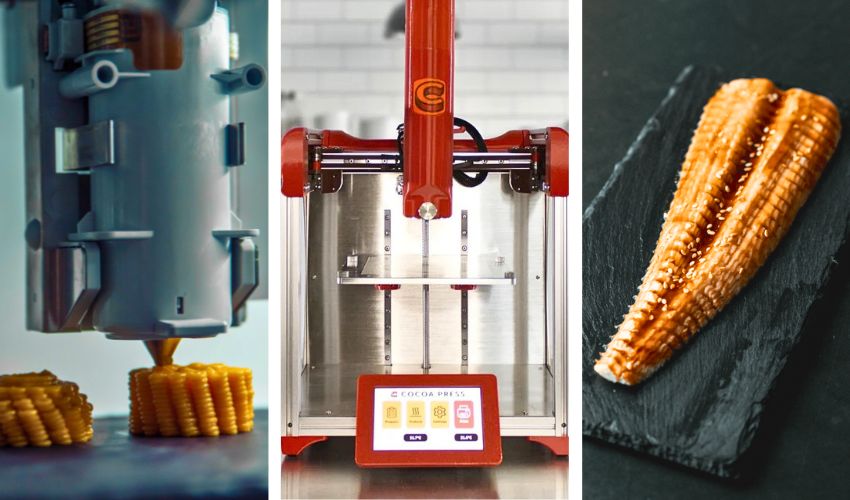 GuidesThe 10 Food 3D Printers You Should KnowCould food 3D printing have a place in your kitchen? Increasingly, yes: the technology is now being used in fine dining, personalized nutrition and alternative proteins, among other fields. In all of these applications, food 3D printers work the same…
 NewsFormnext 2025: How Can You Keep Up with the Latest from the Trade Show?It’s impossible to miss the buzz around Formnext right now. The world’s largest additive manufacturing trade show opens its doors in just a few days, and excitement is building fast—just look at the flood of announcements from exhibitors. From product…