News
Aerial Additive Manufacturing: Architecture with 3D Printing Drones
Typically, standard 3D printing is limited by a maximum print volume. 3D printing with robotic arms offers somewhat of a solution, with a greater range of motion and volume, but even here, the technology has a restricted capacity. A research…
- 3 min read
- News
- Six more stories
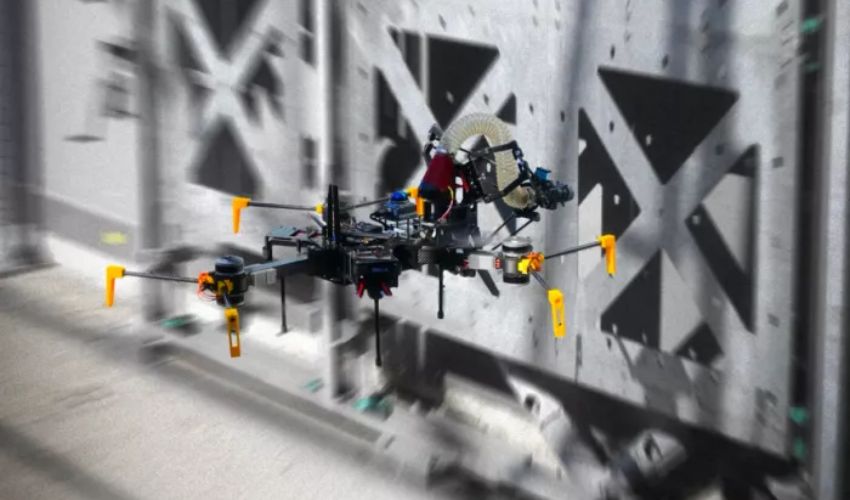
Typically, standard 3D printing is limited by a maximum print volume. 3D printing with robotic arms offers somewhat of a solution, with a greater range of motion and volume, but even here, the technology has a restricted capacity. A research group with members from University College London, EPFL, EMPA and Imperial College London wants to face those limitations, and in May, they released a study on 3D printing with drones. The study reveals gaps in research for the emerging field of Aerial Additive Manufacturing (Aerial AM).
Drones would not face the same limitations as standard 3D printing, as they can print vertically and horizontally over long distances. Promising, yes, but the research has only just begun. The university team has identified knowledge gaps and highlighted the first key problems that must be addressed to develop the technology. The first issue they identify is material durability. Second, they want to address a localization system for outdoor use, and third, the coordination of several drones at the same time.
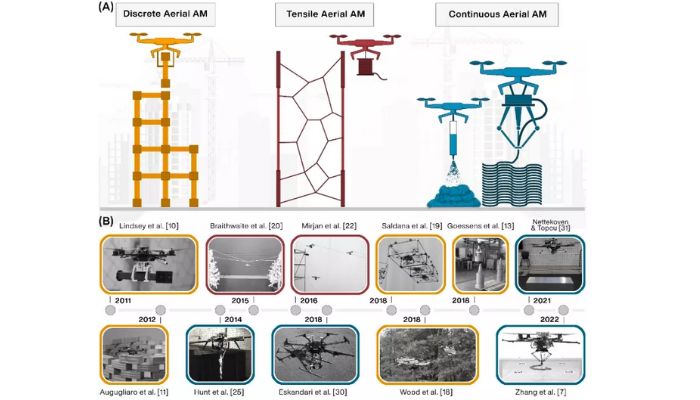
The three different methods of Aerial AM as proposed by the study
To provide initial solutions to these problems, the study looks at three specific methods of how 3D printing using drones could work. Drones could place individual components, produce components using ropes or print continuous layers by extrusion, similar to FDM printing. The broad aim of the project is to find sustainable and innovative solutions to the global housing shortage and infrastructure problems caused by urbanization and population growth. According to the authors, Aerial AM should play a major role here and provide particularly sustainable solutions.
More from the desk
Six other notes from the rest of the bench.
 PrintersCADvision and ETEC Talk About How Additive Has Become a Must-Have Tool and How They Are Advancing Industrial Polymer 3D PrintingAs additive manufacturing continues to industrialize and advance, partnerships and collaborations become ever more important. Take the case of CADvision and ETEC, part of Desktop Metal. The two have worked and grown together for nearly seven years and are committed…
 NewsUC San Diego creates VR glove using 3D printingA couple of weeks ago, we wrote about researchers at the University of San Diego who have created a robot using 3D printing that can walk on different types of terrains. This week, UC San Diego is back in the news again…
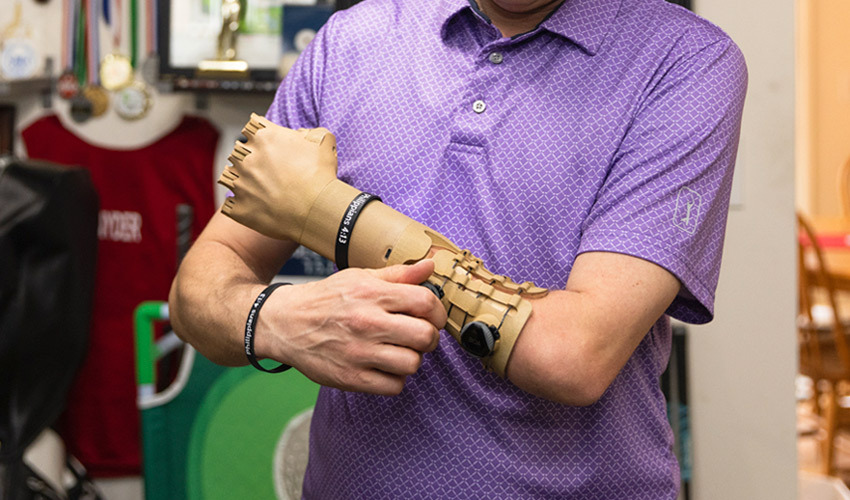 Guides#3DStartup: Unlimited Tomorrow and its 3D Printed Bionic Prosthetic ArmIt is no secret that 3D printing has been making great waves in recent years in the medical sector. One arena in which the technologies have been especially useful is for making prostheses as it allows for lighter, more customized…
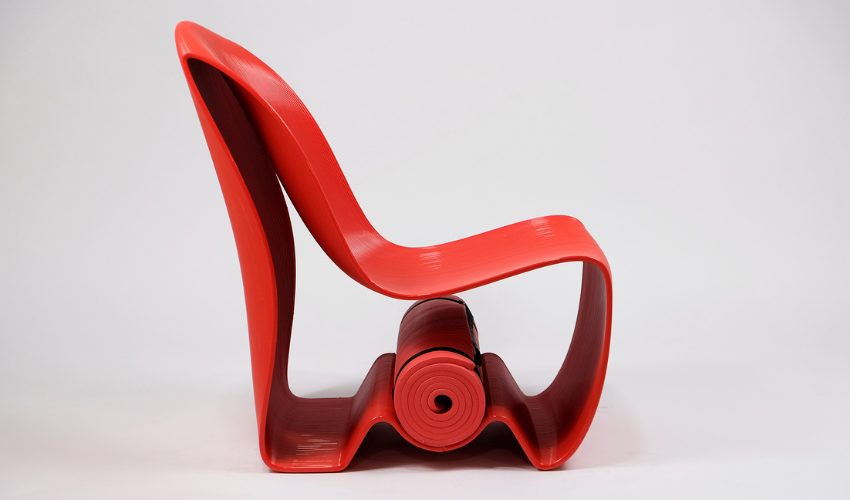 NewsASU-Haddy Collaboration Enhances Custom Furniture with AI-Powered 3D PrintingA collaborative effort between industrial engineers and forward-thinking furniture startups is poised to redefine the parameters of custom furniture manufacturing. Spearheaded by Feng Ju, an associate professor of industrial engineering at Arizona State University, and alongside
 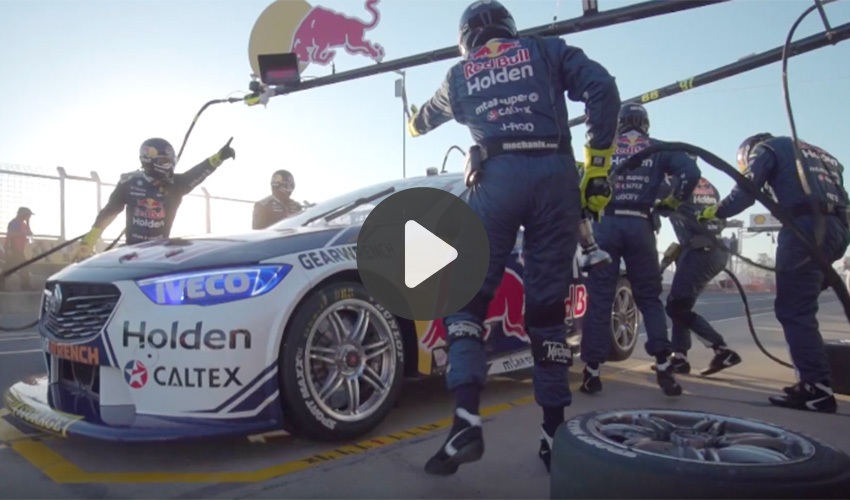 NewsTop 5 Videos of the Week: 3D printing parts for a racecar steering wheelThis week we found the top 5 videos about 3D printing and the way additive manufacturing is shaping our society. The technology has infiltrated many sectors, from medical to automotive! Check out our selection of the week to keep up with the innovations! This week we…
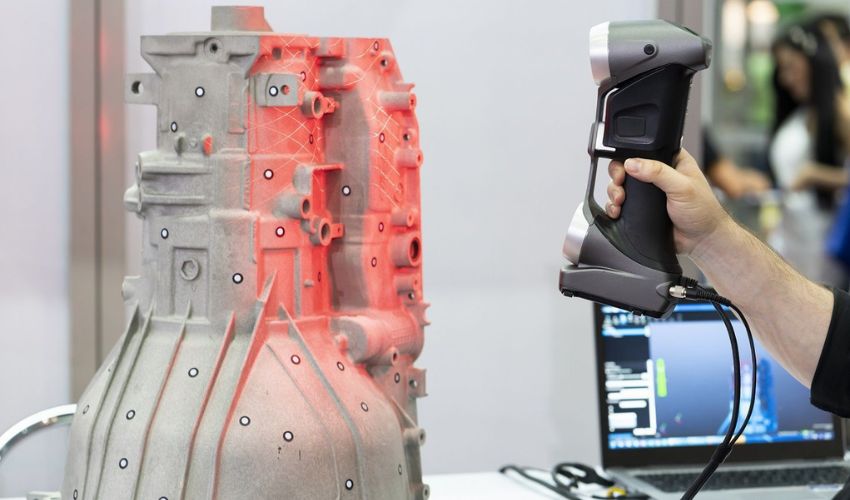 PrintersReverse Engineering and 3D Printing: All You Need to KnowReverse engineering is a method of analyzing a finished product to understand its design and manufacture. By deciphering the structure and composition of an object, this technique offers the possibility of reproducing it, improving it or drawing inspiration from it…