Materials
Additive Tectonics: Using SCA Tech for Construction Innovation
3D printing in construction is rapidly gaining ground. According to Precedence Research, the market is valued at 15.43 billion dollars in 2025 and is projected to reach 1.4 trillion dollars by 2034. This technology offers solutions to some of the…
- 3 min read
- Materials
- Six more stories
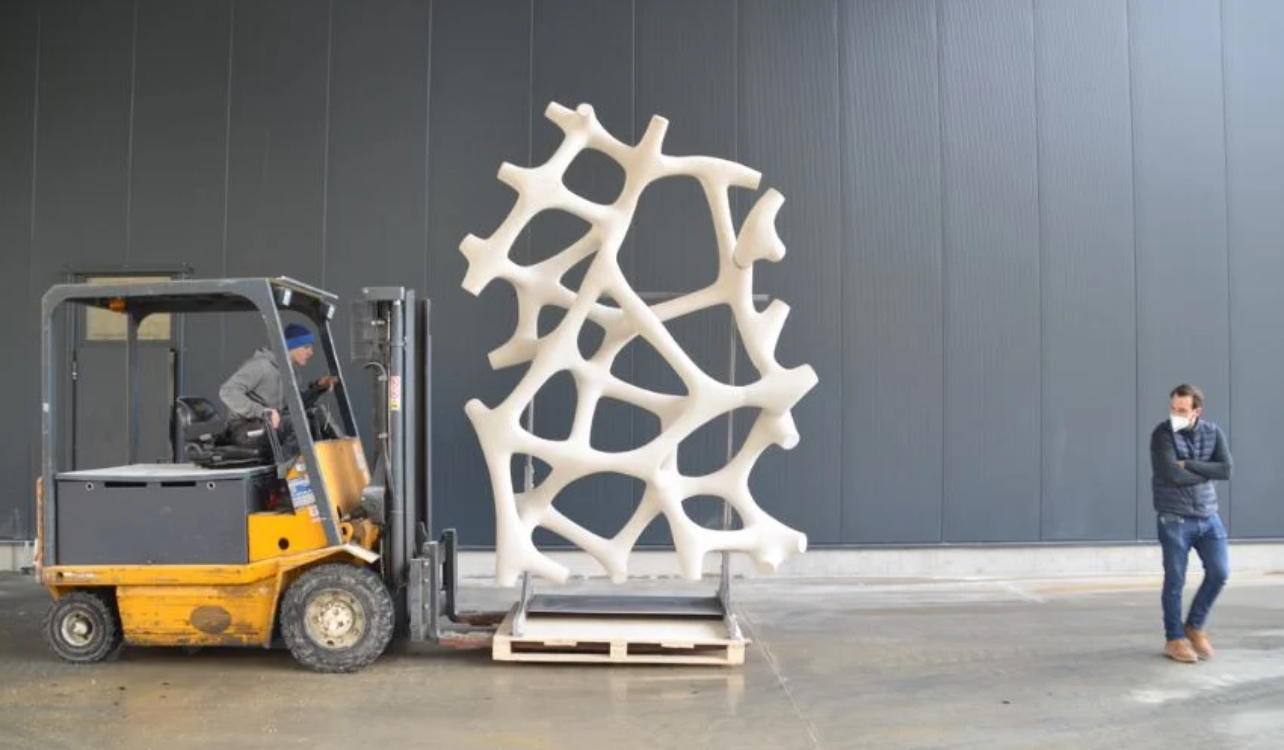
3D printing in construction is rapidly gaining ground. According to Precedence Research, the market is valued at 15.43 billion dollars in 2025 and is projected to reach 1.4 trillion dollars by 2034. This technology offers solutions to some of the industry’s key challenges, such as material waste and construction timelines. In this context, Additive Tectonics is proving that 3D printing is not only viable in architecture, it has the potential to radically transform how buildings are conceived, designed, and constructed. We spoke with Bruno Knychalla, the company’s founder and CEO, who shared his insights on the potential of 3D printing, as well as some of their latest projects. Don’t miss it!
3DN: Could you introduce yourself and tell us about your connection with 3D printing?

Founder and Director at Additive Tectonics
Hi, I’m Bruno Knychalla, founder and managing director of Additive Tectonics. My background is in architecture, but I was more of a fabricator before my studies. I come from a family of industrial fabricators, and I developed 3D printers within my uncle’s company. He’s also part of Additive Tectonics today the wise man in the back, quietly making things work.
When I decided to study architecture, it was because I wanted to understand how to build and design but also because it seemed like the perfect use case for 3D printing. Every building is (or at least should be) different, so you’re naturally dealing with complexity, variation, and the need for custom components. At the time, the big limitations were scale, material properties, and speed. But we’ve solved a lot of that now. So in a way, I’m still in the process of proving a theory I had 15 years ago: that additive manufacturing and architecture are compatible or even made for each other.
More from the desk
Six other notes from the rest of the bench.
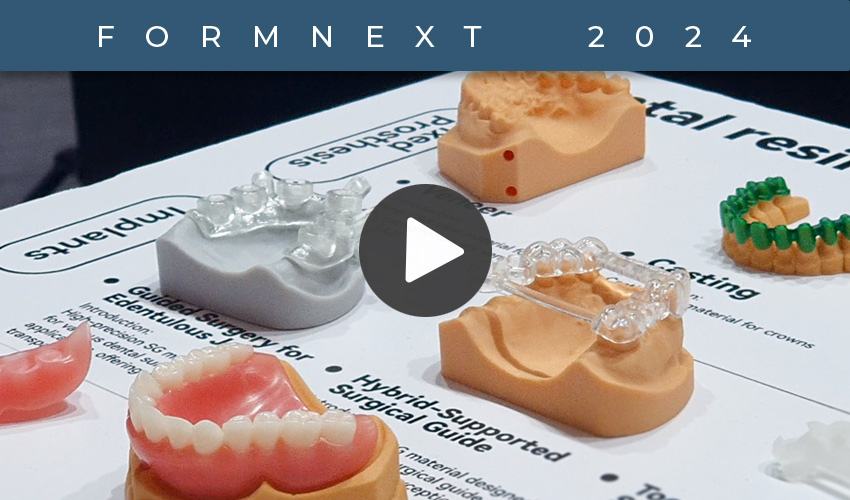 NewsProfessionals and Hobbyists Are Benefitting From Kexcelled’s 3D Printing MaterialsKexcelled is a global manufacturer of advanced 3D printing materials offering a wide range of filaments for FFF technology and photopolymer resins. The company is dedicated to supplying its global customer base with affordable, high-quality 3D printing materials. Kexcelled’
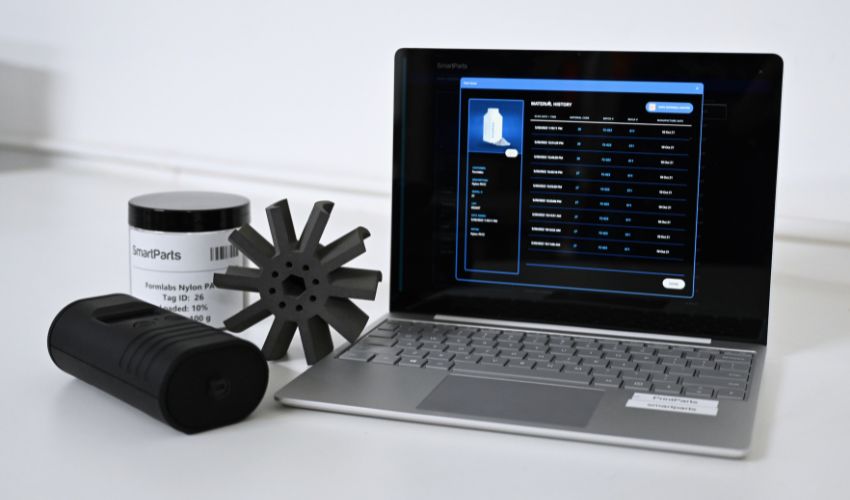 Guides#3DStartup: PrintParts on the Importance of Scanning and Tracking 3D Printed PartsAs 3D printing continues to industrialize, more companies are looking to overcome obstacles to its adoption. One that has been gaining in attention lately centers on the traceability of a part. Parts made with additive manufacturing are often feared to…
 News3D Printing is Proven to Have a Positive Impact on Global TradeWe in the 3D printing industry have known for some time that the technologies can be used to strengthen supply chains and more. This became even more obvious during the pandemic when 3D printing was a critical part of resolving…
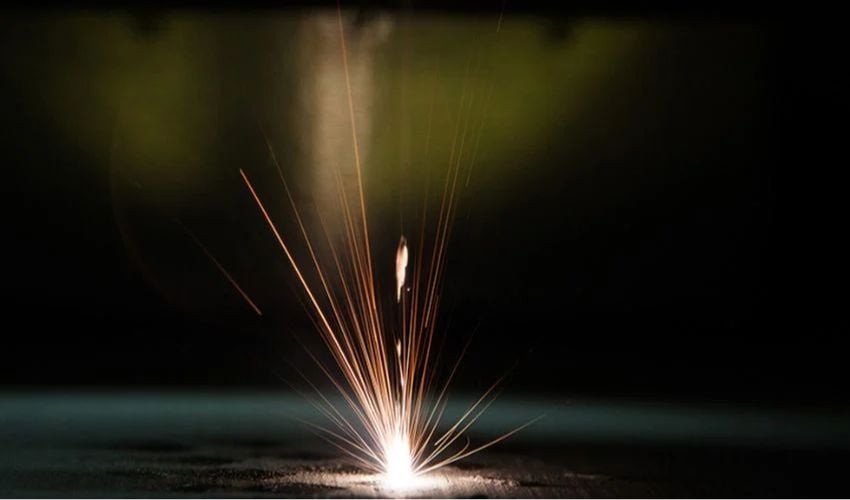 NewsHow Can We Make Metal 3D Printing More Reliable and Encourage Its Adoption?One of the most persistent challenges in additive manufacturing is undoubtedly process reliability. How can we guarantee that 3D-printed parts will meet the desired requirements? Will they withstand the effects of time? Can we successfully reproduce the same conditions for&hellip
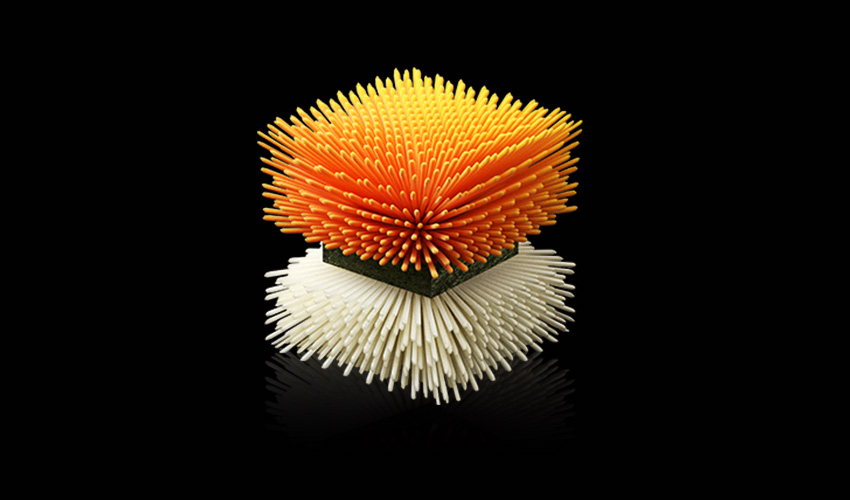 GuidesOpen Meals, creating 3D printed sushiA few weeks ago during the South by SouthWest fair the Asian company Open Meals presented its project ‘Sushi Singularity’, or in other words its 3D printed sushi project. A new endeavour that will undoubtedly revolutionise the 3D printed food…
 NewsTop 5 Videos: Watch Dogs Run Again Thanks to 3D Printing!We’re back again with the top five videos in 3D printing this week, and we’re here with some inspiring stories! First, take a look at a video about 3D Pets, a company that creates prosthetics for animals using additive manufacturing.…