News
3D Printing is Proven to Have a Positive Impact on Global Trade
We in the 3D printing industry have known for some time that the technologies can be used to strengthen supply chains and more. This became even more obvious during the pandemic when 3D printing was a critical part of resolving…
- 3 min read
- News
- Six more stories

We in the 3D printing industry have known for some time that the technologies can be used to strengthen supply chains and more. This became even more obvious during the pandemic when 3D printing was a critical part of resolving blockages, notably in the medical sector. Now, a new paper from UC San Diego’s School of Global Policy and Strategy has proven this. It shows that not only can 3D printing be used locally to solve issues, but that it has actually helped to expand trade in the past two years.
The study, published in the Journal of International Economics, is named Is 3D printing a threat to global trade? The trade effects you didn’t hear about and was co-authored by Caroline Freund, (economist and dean of the School of Global Policy and Strategy), Alan Mulabdic (economist for the Equitable Growth, Finance and Institutions’ Chief Economist’s Office at the World Bank) and Michele Ruta (lead economist at the World Bank). Though overall it sought to study more broadly the impact 3D printing has on trade, it focused specifically on how the production of hearing aids has been impacted by 3D printing, though they also looked at 35 other products including running shoes, aircraft parts and prosthetic limbs as a robustness check for the data.

The research comes from UC San Diego’s School of Global Policy and Strategy (GPS) one of the top international affairs schools in the US (photo credits: GPS)
This newest evidence bolsters what we have already seen, that 3D printing is increasingly being considered a way to strengthen different industries and national economies. Indeed, confidence in the technology has grown so much that earlier this year the Biden Administration even launched the AM Forward Initiative. This voluntary public, private compact was designed to broaden 3D printing usage in American small and medium sized suppliers, focusing especially on struggling manufacturing regions like Ohio. It has already been joined by leading American companies (and early adopters of 3D printing technologies) such as Boeing, Honeywell, GE, Raytheon and Siemens Energy. Now, there is clear proof that 3D printing is worth investing in for the long-term health of international trade as well as local economies.
More from the desk
Six other notes from the rest of the bench.
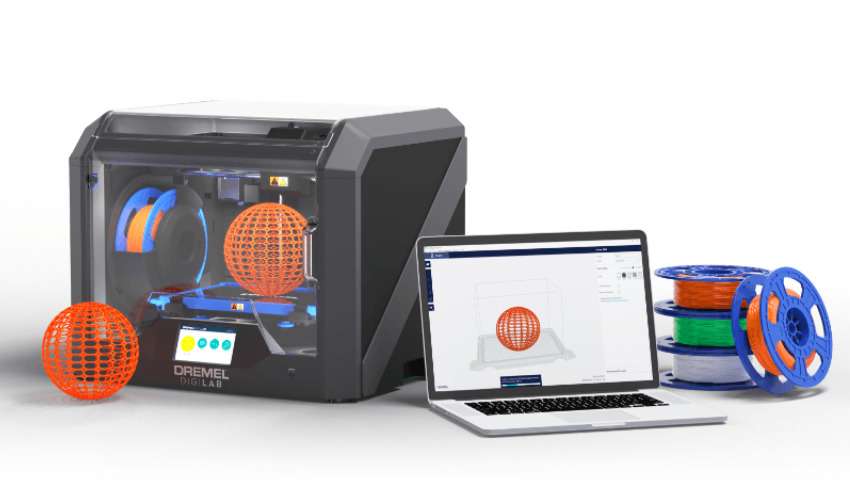 PrintersWhich Dremel 3D Printers Are Currently On the Market?In 2014, Dremel Manufacturing Company moved into 3D printing market with their offshoot, Dremel DigiLab. In line with their focus to shape the new generation of pioneers, their motivation, according to the website, centers around using their products and machines…
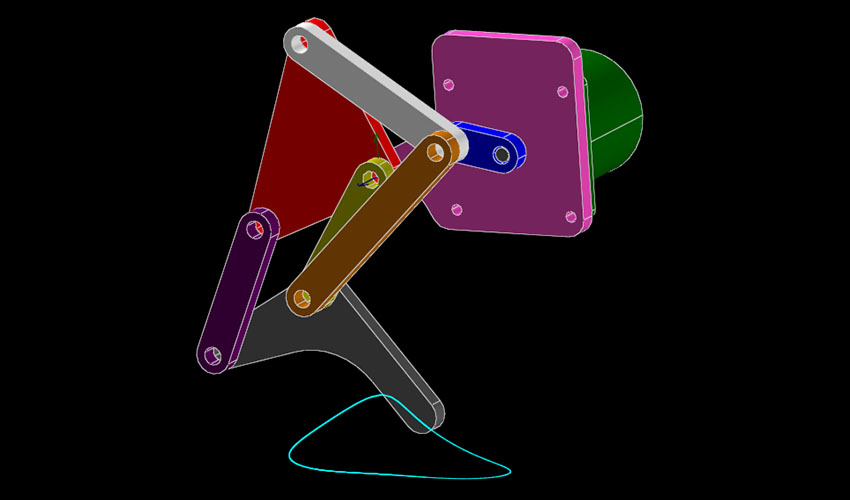 NewsWhat trends will shape the CAD sector during the next 5 years?A recent report from the international market research firm Business Advantage revealed the global 2018/2019 CAD trends we can expect. The research firm had released a similar report in 2014 – therefore, his new data allows comparison with results from…
 NewsECO 3D: 3D printing for mass production3D printing has come a long way since its humble beginnings; with large corporations and companies slowly turning to 3D printing to help propel them into the future. Whether this be through the financing of promising new technologies, a simple…
 NewsWASP 3D-Printed Dior Pop-up Store Using Eco-Friendly MaterialsFrench luxury fashion brand Dior enlisted the construction expertise of Italian 3D printer manufacturer WASP (World’s Advanced Saving Project) to showcase their latest collection. Dior’s innovative new pop-up store is located on the Jumeirah beach in Dubai. The pop-up’
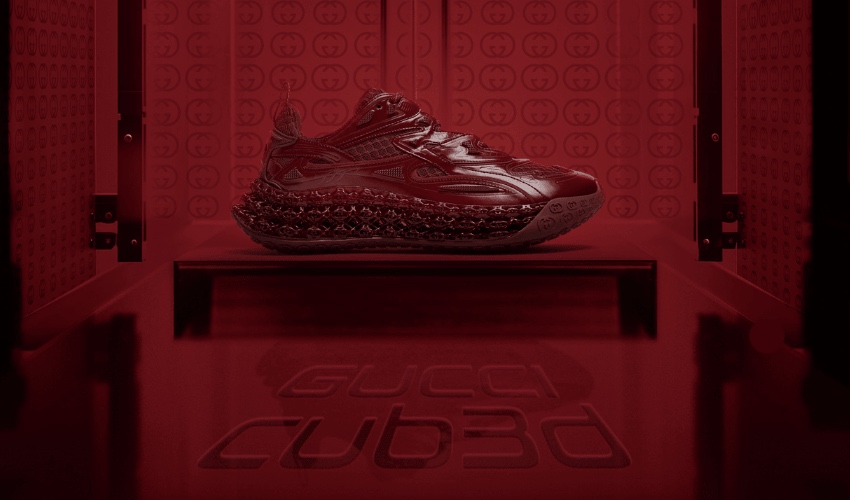 NewsGucci Chooses 3D Printing for Luxury Sneaker Gucci Cub3d3D printing is taking over the fashion world, revolutionizing the production of clothing, bags and, most importantly, footwear. In recent years, brands such as adidas, ASICS, and Reebok have launched their own 3D printed shoes on the market. Using additive…
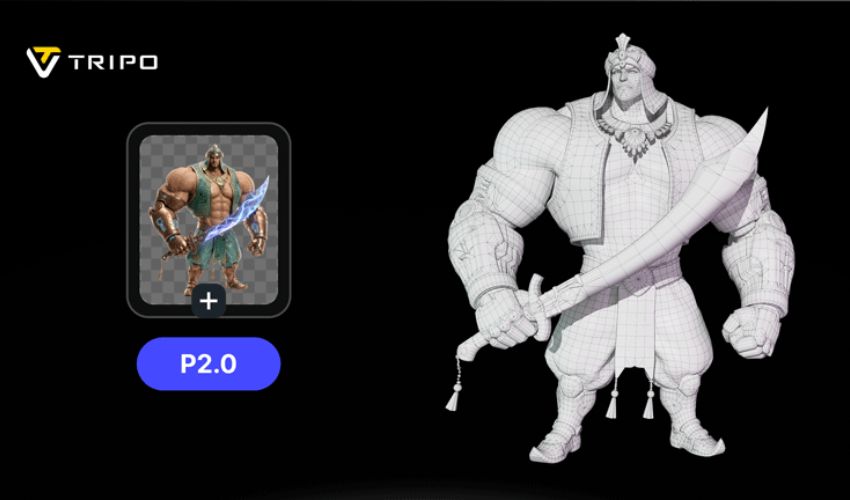 Software3D Model Generator Tripo AI Raises 3 Billion Yuan in Series B and Series B+ FundingOn September 1, 2026, the generative 3D company Tripo AI announced it had raised approximately 3 billion yuan in its Series B and Series B+ financing rounds, equivalent to roughly $446 million USD. The funding will help the Tripo team…