News
Using Additive Manufacturing to Make Underwater Vehicles
It is well-known that additive manufacturing is being used in space, but did you know that it also has applications underwater? ecoSUB Robotics, a manufacturer of underwater vehicles, has turned to 3D printing for the creation of key parts. The…
- 3 min read
- News
- Six more stories
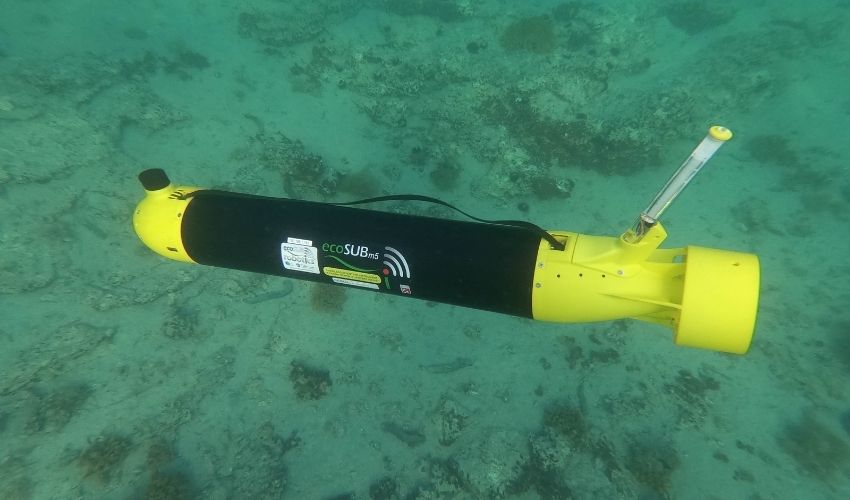
It is well-known that additive manufacturing is being used in space, but did you know that it also has applications underwater? ecoSUB Robotics, a manufacturer of underwater vehicles, has turned to 3D printing for the creation of key parts. The company is using polymer powder bed fusion technologies, notably experimenting with SLS and Multi-Jet Fusion (MJF) through 3DPRINTUK, to create robust, unique parts that can meet the requirements of being even deep in the ocean. The project shows the continued utility of AM can even in the most exacting environments.
ecoSUB Robotics is a spin-off of Planet Ocean who themselves are “specialists in high quality, marine scientific instruments for research, survey, naval and operations support.” Planet Ocean in particular is a leader in oceanographic and marine meteorological equipment, including, of course, autonomous underwater and surface vehicles with ecoSUB focusing exclusively on the creation of submarine-like underwater vehicles. The company was looking for a way to make 3D printed components that would be able to operate in a number of difficult conditions, namely in salt water, in very low temperature, and under extreme pressure at 2,500m below sea level. In addition, the parts also clearly needed to be water-tight and intact, to protect the valuable electronics within the vehicle. They chose to use 3D printing for prototyping and production applications both for cost-effectiveness but also freedom of design.
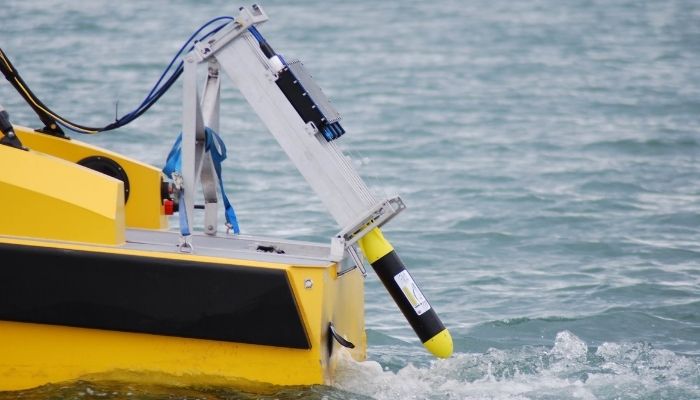
ecoSUB is using additive manufacturing to create key parts in their underwater vehicles
Expanding on the company’s choice of AM, Jeremy Sitbon, Chief Robotics Engineer – Marine Robotics Systems at ecoSUB Robotics commented, “For sure, the parts that we use in our underwater vehicles have to be strong and robust, and absolutely conform to design intent. 3D printing is preferred over injection moulding as we find the technology more versatile, and the design freedom allows us to innovate great parts. Also, our volumes are low (maybe 10 parts per month) so injection moulding would not be economical. Add in the fact that with 3D printing we can customize designs for individual clients, and the choice is clear.”
More from the desk
Six other notes from the rest of the bench.
 GuidesAMT on The Current Trends and Challenges of Post-Processing in 3D PrintingThanks to recent technological advances in materials and production processes, the additive manufacturing industry continues to experience tremendous growth. In fact, according to some studies, 3D printing is generating greater acceptance and consolidation in a variety of applica
 NewsResearchers Design a 3D Printer Made From an Xbox 360What if you could turn your video game console into a 3D printer? That is the crazy idea of a team of researchers at the Technical University of Denmark (TUD) who converted an Xbox 360 into a 3D printer. They…
 NewsNew 3D Printed Gripper Can Work Without ElectronicsOne area where it is expected to increasingly see the presence of 3D printing is in soft robotics. Indeed, the use of additive manufacturing allows for the design of complex and interesting robotics for a lower cost, making it attractive in…
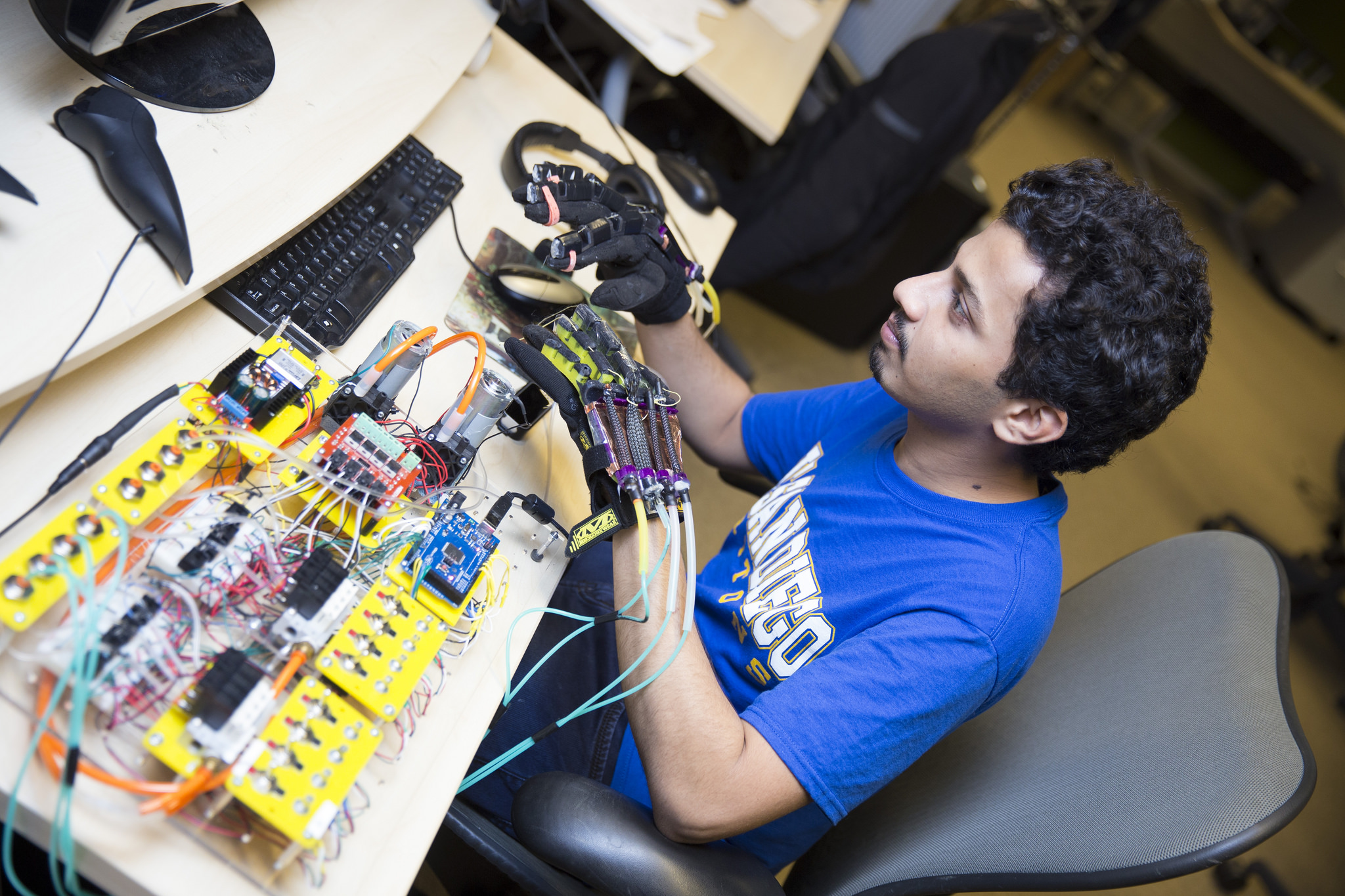 NewsUC San Diego creates VR glove using 3D printingA couple of weeks ago, we wrote about researchers at the University of San Diego who have created a robot using 3D printing that can walk on different types of terrains. This week, UC San Diego is back in the news again…
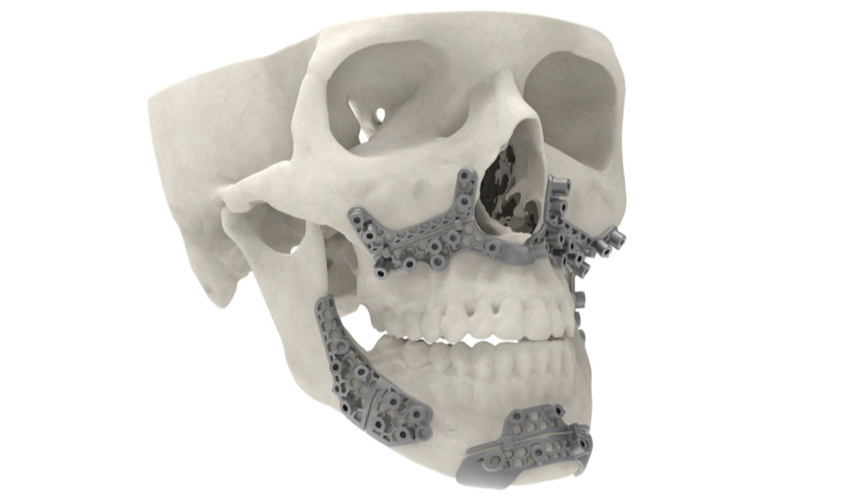 Applications3D Systems Announces All New VSP Hybrid Surgical Guides3D Systems has just announced their latest enhancement to their VSP surgical planning portfolio. The all new VSP Hybrid Guides will deliver a breakthrough patient-specific, occlusal-based solution for maxillofacial surgeries. By combining nylon and titanium guides the new enhance
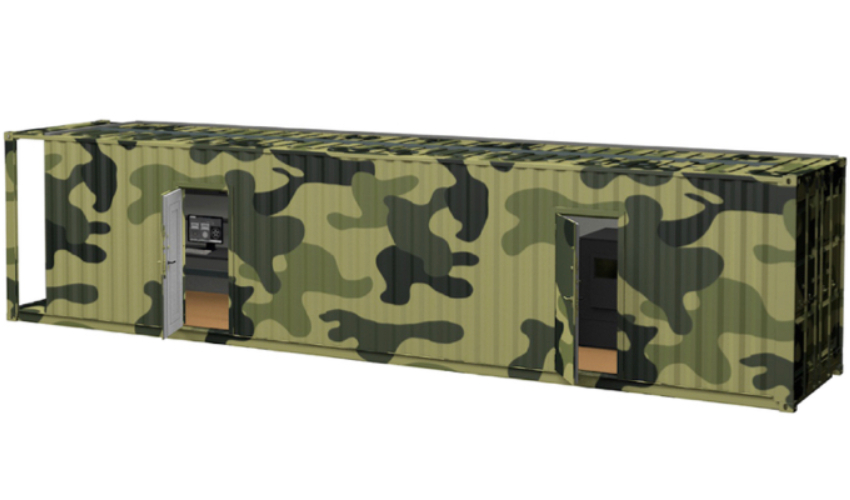 NewsThe U.S. Department of Defense Awards ExOne Contract to Develop Military 3D Printing Factory PodThe Defense Logistics Agency (DLA) of the U.S. Department of Defense (DoD) has awarded ExOne with a contract to develop a fully operational 3D printing factory pod in a shipping container. Since the $1.6 million contract was awarded in August…