Applications
Additive Manufacturing Is the Key for Freeform Optics in Space
One of the increasingly important ways that additive manufacturing is being used in outer space is for the creation of better parts for satellites. Satellites are critical for our way of life, with an estimated 9039 currently orbiting earth as…
- 3 min read
- Applications
- Six more stories
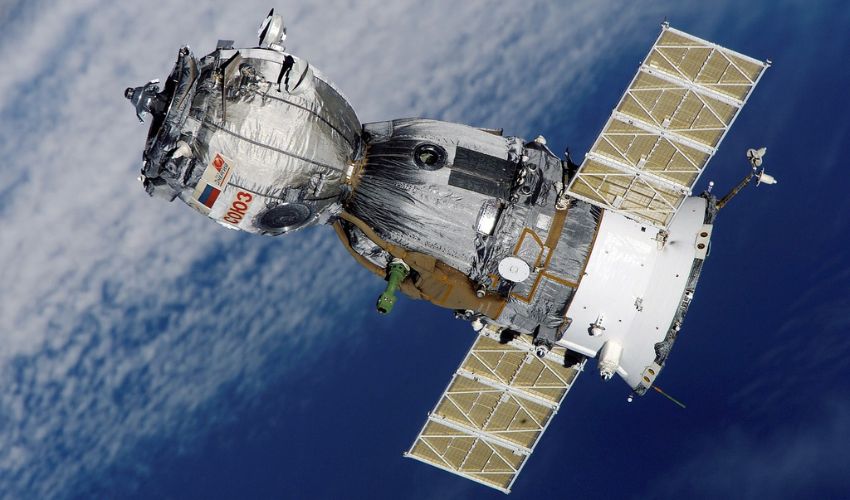
One of the increasingly important ways that additive manufacturing is being used in outer space is for the creation of better parts for satellites. Satellites are critical for our way of life, with an estimated 9039 currently orbiting earth as of December 2023 according to the website Orbiting Now. These are used for everything from weather forecasting and television to internet communications and even GPS. That’s why innovation is so important in the sector, including for the glass optics which are so critical to satellite optical payloads. And now, it seems that there is yet more news coming out of about this. Through the iLAuNCH Trailblazer program, South Australia (UniSA), VPG Innovation and SMR will work on a new optical manufacturing process, called freeform optics, using additive manufacturing.
As the name suggests, freeform optics are those that are free from constraints of symmetry in form and shape. Now, thanks to additive manufacturing, it is possible to design them by making complex shapes that can provide larger fields of view than the optics made by traditional manufacturing. This while still allowing for different sizes and enabling the parts to withstand the harshness of space. It is no surprise either that this is being done as part of the iLAuNCH Trailblazer program. It has been created specifically to help accelerate space innovation in Australia.
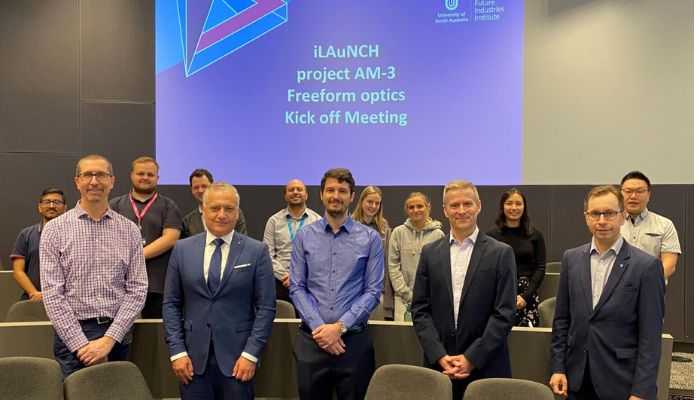
The team involved in the iLAuNCH freeform optics project (photo credits: iLAuNCH)
iLAuNCH Trailblazer Executive Director, Darin Lovett expanded, “This project demonstrates what iLAuNCH is all about, taking a 2021 Defence Innovation Partnership (DIP) concept demonstrator that investigated the viability of Freeform Optical Components for small satellites – and moving it into production using Australian technology for real world application.”
More from the desk
Six other notes from the rest of the bench.
 NewsKFC 3D printed chicken nuggets, the fast-food of the future is almost here?Kentucky Fried Chicken, more commonly known as KFC, is one of the leading fast-food chains in the world with more than 24,000 restaurants in 145 countries across the globe. The brand is mostly known for its “special recipe” fried chicken,…
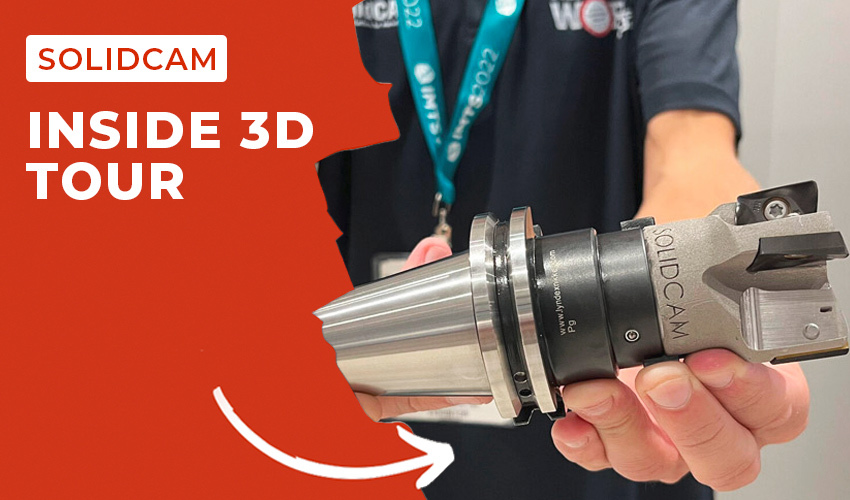 NewsInside 3D Tour: Visiting SolidCAM’s Headquarters and 3D Printing FacilitiesToday, we are excited to present another installment of our Inside 3D Tour video series, where we explore the leading manufacturers in the 3D printing industry to gain firsthand insights into the development of various 3D printing methods. The goal…
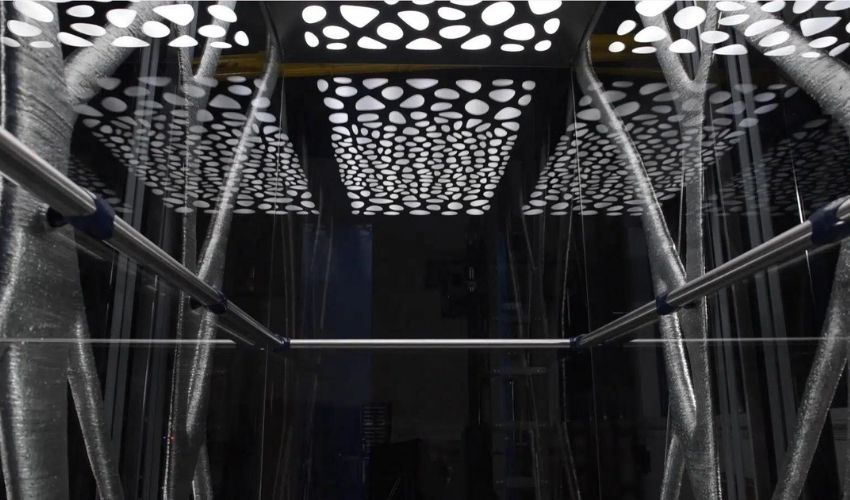 NewsMX3D and Schindler Have Used 3D Printing to Design an ElevatorWhat began in 1857 in the Haughwout department store in New York has become an indispensable part of our lives: the passenger elevator. However, we realize that although we are in one almost every day, it rarely leaves a lasting…
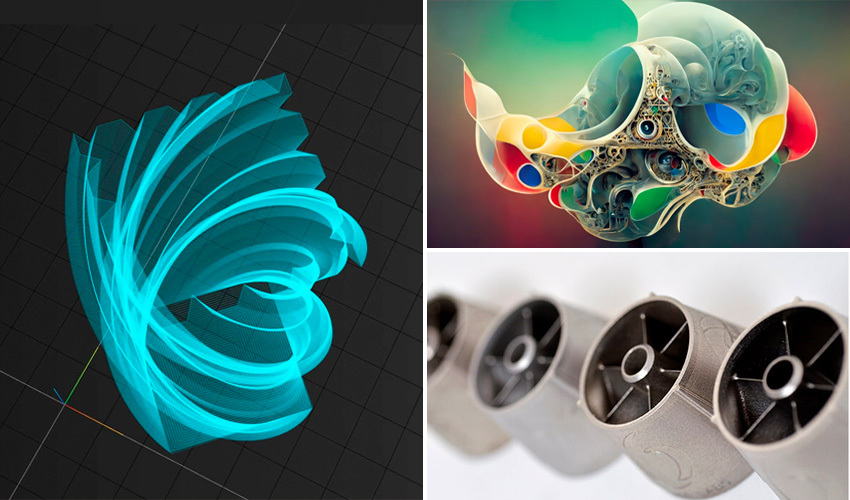 SoftwareThe Top AI Software Solutions for 3D PrintingIt seems that nowadays artificial intelligence, or AI as it is more commonly known, is on everyone’s lips. And though there is significant discourse centering on ethical issues with the technology, it is undeniable that AI could be a great…
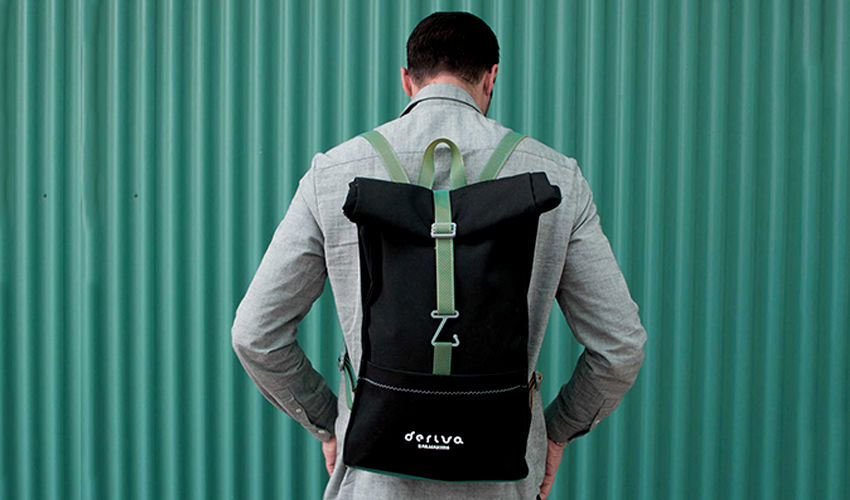 GuidesDeriva Sailmakers, the backpack brand committed to sustainable manufacturingDeriva Sailmakers is a backpack brand developed in the Basque Country that is committed to a more sustainable manufacturing process. Its objective is to promote a cleaner and stronger local fashion industry with the use of parts and fabrics made…
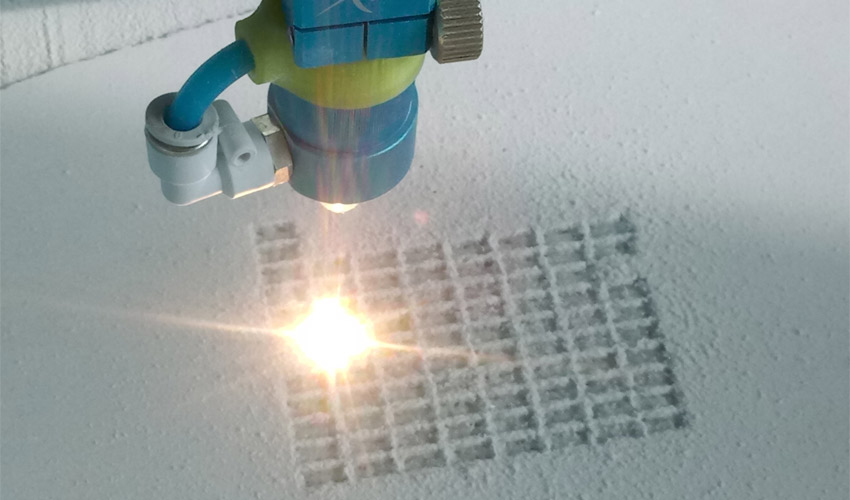 Materials#3DStartup: ING3D and its Mineral 3D Printing SolutionsBased in Germany, our startup of the month is ING3D which has developed a mineral 3D printing process inspired by powder sintering, called Mineral Direct Laser Sintering (MDLS). Thanks to this unique process, it is possible to design very light…