Guides
#3DStartup: Tailored Fits moving forward on insoles
The demand for customised products is a growing market. One company that is catering to this demand is TAILORED FITS. Based in Switzerland the company was founded in 2016 and are using 3D technology to create custom insoles for you…
- 3 min read
- Guides
- Six more stories
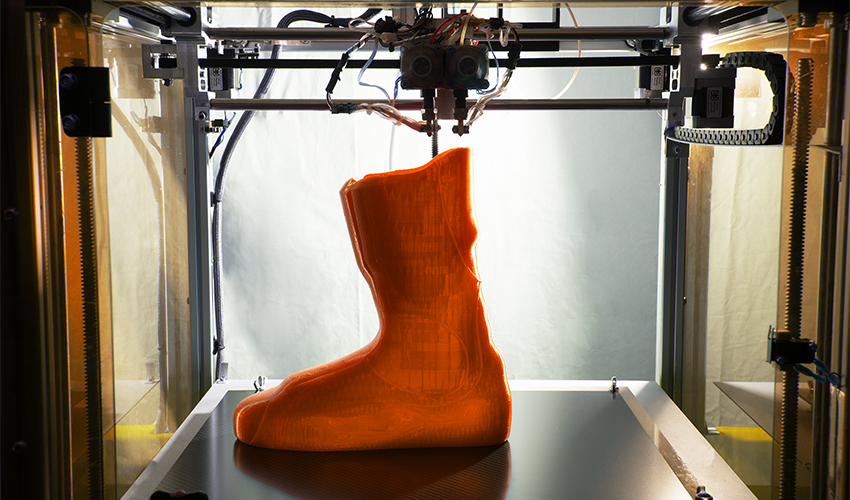
The demand for customised products is a growing market. One company that is catering to this demand is TAILORED FITS. Based in Switzerland the company was founded in 2016 and are using 3D technology to create custom insoles for you use in various sports connections. We meet up with the company to get behind them, learn about their products and what’s up next.
3DN: Can you tell us a bit about tailored fits and its connection to 3D printing?
TAILORED FITS has started to fix known sports fit issues. The remedy of these problems is possible with conventional industrial manufacturing processes only conditionally or with a great deal of work. Because of these issues, we have gone in search of technologies that allow us to create and produce highly individualised custom-made products that no longer have these fitting issues. This search ultimately led us to additive manufacturing after several attempts. This technology in conjunction with 3D scanning technology forms the basis of our business model, which makes us a service provider for the implementation of custom fit through 3D printing.
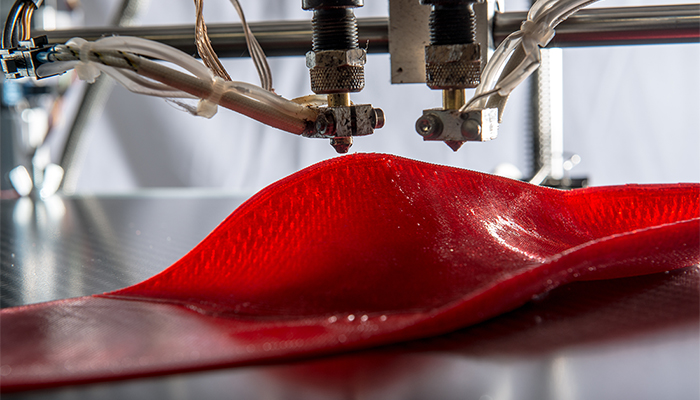
3D printing of one of the brand templates
3DN: Can you introduce us to the manufacturing process of your 3D printed products? Which 3D printing technology do you use?
After capturing the body data of the consumer with a mobile 3D scanner, we translate the consumer’s scanning and biometric data into a product that is perfectly tailored to the consumer. With the use of our technologies, we achieve the optimum in fit and performance that is not yet available on the market. The transfer of the data into a product design takes place automatically in the background via our digital supply chain. Once the 3D model of the product is created, we individually manufacture for the consumer his product using FDM technology. We rely exclusively on this technology, since only this variant of additive manufacturing allows completely closed cavities to be created, which make our products highly insulating in winter. As material for our wearables we use a TPU with the Shore-A hardness 93.
More from the desk
Six other notes from the rest of the bench.
 PrintersOrigin to begin shipping new Origin One 3D printerWe’ve been expecting the Origin One platform to start shipping for a while now. The US startup Origin announced the launch of its new machine back in May – it’s an open additive platform based on Programmable Photopolymerization technology. The…
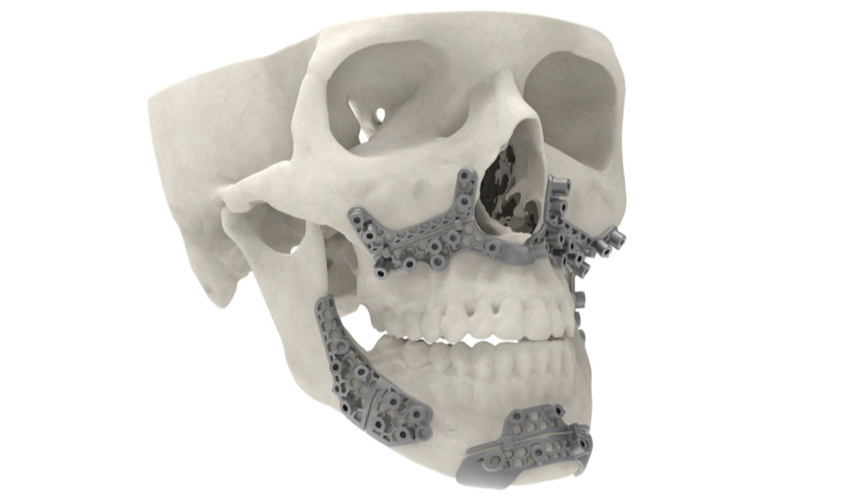 Applications3D Systems Announces All New VSP Hybrid Surgical Guides3D Systems has just announced their latest enhancement to their VSP surgical planning portfolio. The all new VSP Hybrid Guides will deliver a breakthrough patient-specific, occlusal-based solution for maxillofacial surgeries. By combining nylon and titanium guides the new enhance
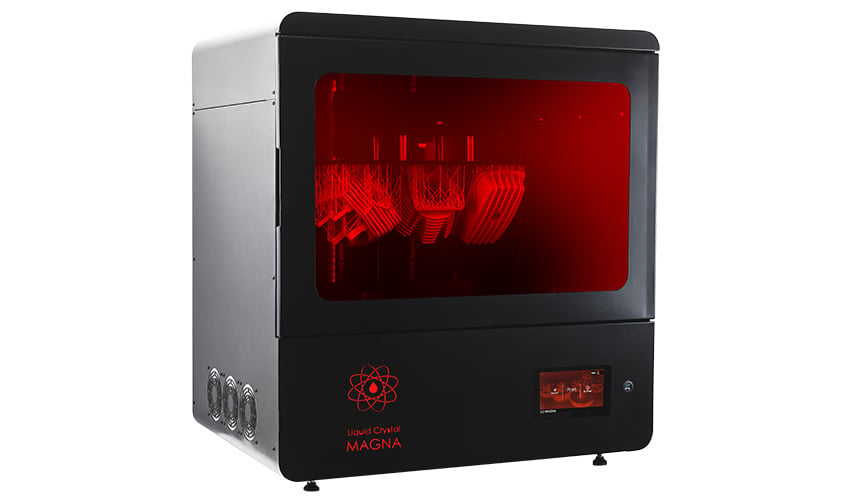 NewsPhotocentric launches Liquid Crystal Magna for custom mass productionPhotocentric is a manufacturer of a wide variety of photopolymer resins that harden in light, they are also known for launching their first 3D printer in 2015, the Liquid Crystal which uses their LCD technology, a variation of SLA technologies.…
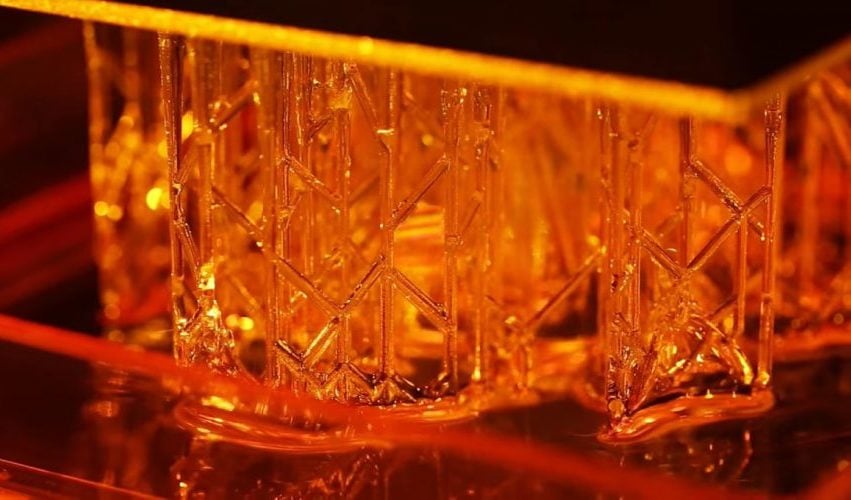 NewsPolymerisation Optimisation for More Accurate SLA PartsResearchers from the National Institute of Standards and Technology (NIST) have found that it is possible to produce more accurate and uniform parts by enhancing control over polymerisation and diffusion. They discovered this using a new method of measuring photo-polymerisation-b
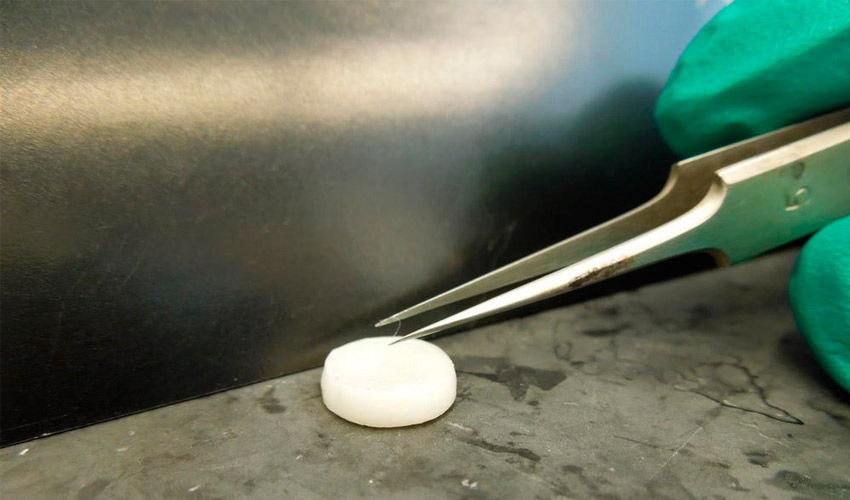 ApplicationsResearchers use 3D printing to combat hair lossAt Columbia University, a team of researchers used 3D printing to grow hair! The technology allowed them to easily create plastic molds that were then used to grow hair follicles. A major innovation for the medical sector as it is…
 News#3DQuiz: Have You Been Following the Latest Additive Manufacturing News?From new 3D printing processes and improved materials to unconventional application possibilities and company mergers – the world of additive manufacturing never sleeps, as we all know. And there was a lot going on in the last quarter as well!…