Applications
Japan Approves Roboze 3D Printers for Onboard Railway Components
Roboze, an Italian manufacturer specializing in 3D printing high-performance polymers and composites, has announced that its ARGO 500 HYPERSPEED and ARGO 1000 HYPERMELT 3D printers have obtained Japanese Nannen-sei certification for ULTEM 9085 material in extrusion processes (fil
- 3 min read
- Applications
- Six more stories
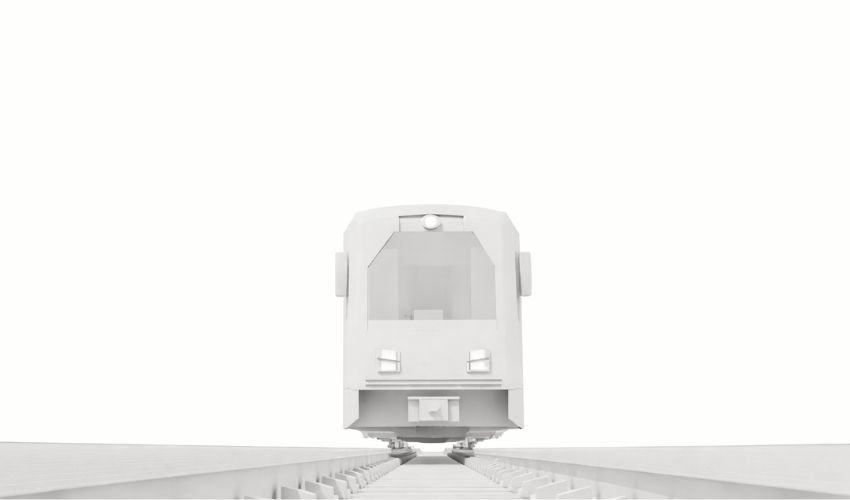
Roboze, an Italian manufacturer specializing in 3D printing high-performance polymers and composites, has announced that its ARGO 500 HYPERSPEED and ARGO 1000 HYPERMELT 3D printers have obtained Japanese Nannen-sei certification for ULTEM 9085 material in extrusion processes (filaments and pellets). In Japan’s railway industry, this certification refers to the combustion resistance required for materials and components used on board (panels, coatings, air ducts, and other non-structural elements mentioned in the qualification process).
This goal, achieved in accordance with MLIT standards and with technical support from SOLIZE PARTNERS Corporation, allows 3D printing to be used for internal components of railway vehicles, such as panels and air ducts, ensuring the maximum safety levels required by Japanese regulations.
Technological Consistency and Reliability of Industrial Processes
Qualification tests conducted by the Japan Railway Rolling Stock Machinery Association have confirmed that Roboze technology guarantees consistency in terms of performance, both with filament extrusion using the ARGO 500 and with pellet extrusion using the ARGO 1000. This uniformity reflects the maturity of a system capable of ensuring quality and repeatability, even in highly regulated sectors. “We are proud to have supported Roboze in the qualification process according to the Nannen-sei standard,” said Junpei Kise, AM Service General Manager at SOLIZE PARTNERS Corporation. “The Japanese railway sector demands precision, quality and maximum reliability: characteristics we clearly identified in Roboze technology. This certification is an important step toward broader adoption of additive manufacturing in our market.”
More from the desk
Six other notes from the rest of the bench.
 ApplicationsUNYQ 3D prints aesthetic & functional prosthetic leg socketsUNYQ is a San Francisco-based company specialised in 3D printed medical wearables. For the last five years the company has created prosthetic and orthotic devices. Recently, it announced the launch of a 3D printed prosthetic leg socket, it is their…
 PrintersUniFormation S10 Combines Resin Printing, Washing and Drying in One Desktop MachineAnyone who has used a desktop resin printer knows the print itself is only half the job. What follows is a messy routine: lifting a part still coated in uncured resin off the build plate, moving it to a separate…
 GuidesThe Best 3D-Printed Masks for HalloweenThis Halloween, take your costume to the next level with a unique, 3D-printed mask. Whether you’re going for spooky, stylish, or something in between, 3D printing gives you the freedom to create a look that’s entirely your own. Our collection…
 NewsTop 5 Videos: Optimizing your 3D printing designThis week we found the top 5 videos about 3D printing and the way additive manufacturing is changing production. The technology has infiltrated many sectors, from medical to automotive – check our selection of the week to keep up with the innovations! If you enjoy these, you&hell
 NewsExploding Kittens Creator Holds Giveaway for First Laser 3D Printed NFTsHave you heard of the popular game, Exploding Kittens? The UNO-like game took the world by storm a few years back and has since sold more than 10 million copies. Now the company is relaunching another of their games, Happy…
 Applications3D printed Third Thumb lends an extra fingerToday, there are many players in 3D printing – be they companies or associations – who have embarked on the creation of 3D-printed prostheses. Often associated with a physical disability, they replace a broken or underdeveloped part of our body.…