Materials
All You Need to Know About ABS for 3D Printing
ABS or Acrylonitrile Butadiene Styrene is a thermoplastic polymer that is quite common for industrial applications. It is known especially for its high impact resistance at low temperatures and for creating lightweight parts. Adding to that, ABS plastic is also…
- 3 min read
- Materials
- Six more stories
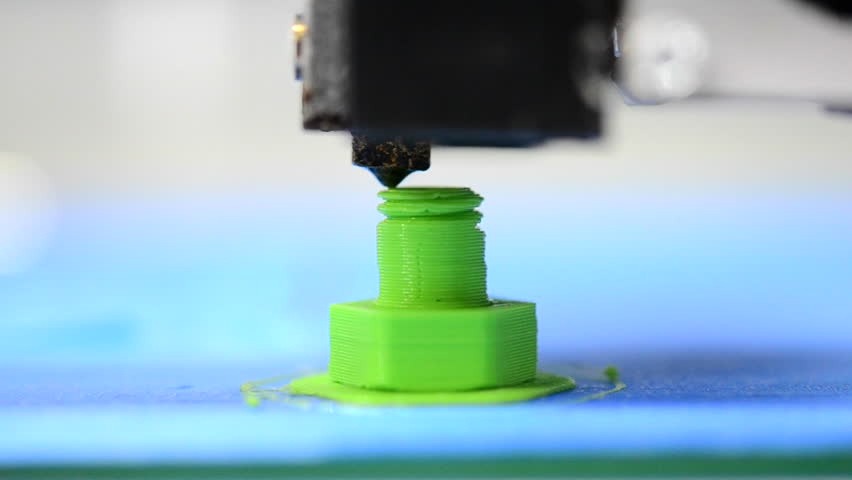
ABS or Acrylonitrile Butadiene Styrene is a thermoplastic polymer that is quite common for industrial applications. It is known especially for its high impact resistance at low temperatures and for creating lightweight parts. Adding to that, ABS plastic is also very popular in the 3D printing market – as it is one of the most widely used materials in this sector along with PLA. It is most often found in FFF 3D printing, though it is also available in resin form allowing for its use in vat polymerization methods. In the following guide we will take a closer look at ABS including its production and properties, 3D printing process, applications, main manufacturers and price. We will be focusing particularly on ABS filaments.
The Production and Characteristics of ABS
ABS was one of the first plastics to be used with industrial 3D printers and was developed around 1990. This thermoplastic polymer is what is called a ‘terpolymer’, defined as a polymer that has been synthesized from three different monomers. In this case, it is obtained most often by polymerization of acrylonitrile and styrene in the presence of polybutadiene – generally 20% acrylonitrile, 25% butadiene and 55% styrene, giving it the name ABS. Furthermore, manipulating these proportions can therefore modify the properties of ABS; styrene, for example, is the element that gives ABS its rigidity and brilliance, while butadiene gives it its impact resistance and low temperature properties.
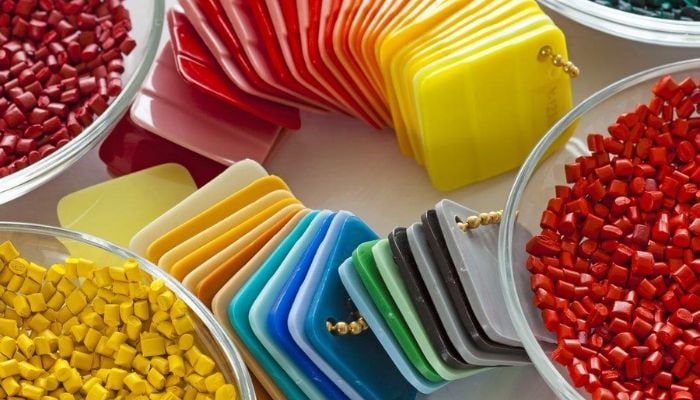
ABS is a popular plastic in industry thanks to its properties (photo credits: Adreco Plastics)
Something important to keep in mind is that ABS is made out of petroleum in contrast to PLA which is made out of more environmentally friendly materials like corn starch. This has often made it the subject of questions of sustainability in the industry; however it is actually recyclable, if not widely accepted by recycling centers. This could be seen as a benefit in terms of environmental concerns as though PLA is technically biodegradable, this is only actually the case when it’s subject to the correct conditions, giving rise to the question of whether it truly is eco-friendly.
More from the desk
Six other notes from the rest of the bench.
 NewsWhat Role Can 3D Printing Play in Papermaking?Sweden-based Celwise intends to change the way paper is made. Using additive manufacturing, specifically custom tooling produced on an ExOne machine, the company has developed a patented technology to make, mold and form paper using almost any form of cellulose.…
 MaterialsSAMOROST Reveals Visionary Mycelium-Based 3D Printed Furniture at DesignblokSAMOROST, a visionary project led by the Czech 3D printed construction company Buřinka, unveiled an extraordinary collection of sustainable furniture crafted from mycelium at the international Designblok festival. This innovative reveal combines the forces of mycelium, additive m
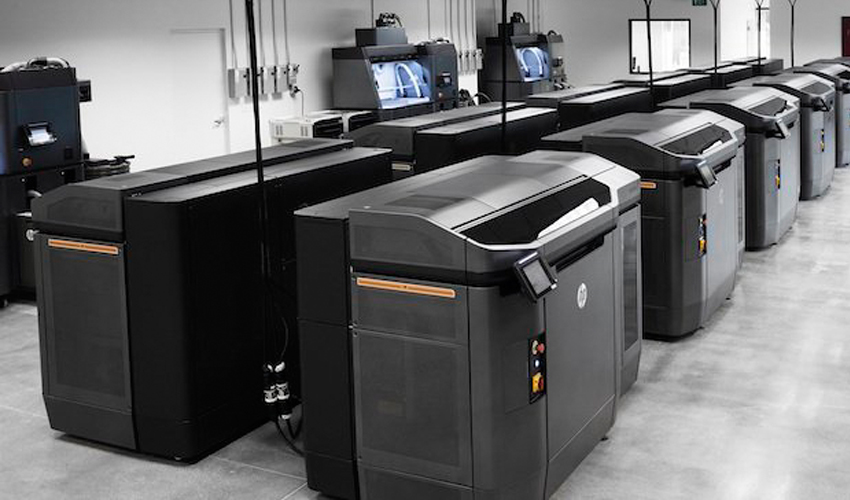 PrintersHP Announced New 3D Printer: Jet Fusion 3D 4210HP has expanded its additive manufacturing selection by announcing their new 3D printer – the HP Jet Fusion 3D 4210. This announcement also included the release of 3 new materials. The printer is designed for industrial-scale 3D production, and aims…
 NewsTop 5 Videos: 3D Technology Used in Food Production PlantsIn this weekly compilation of videos on 3D printing, we will focus on several industries that have adopted additive manufacturing methods. We will start with the food and beverage sector, as 3D technology is increasingly being implemented in food production…
 NewsTop 5 Videos: All You Need to Know About Binder Jetting 3D Printing in 3 MinutesIt is Sunday so that means, beyond looking forward to a new week, it’s time for the top 5 videos of the week! Let’s start it off with a video from our very own Elliot who takes you through all…
 MaterialsInterview with Biogelx about its bioinks and the future of bioprintingBiogelx is a spin-out from the University of Strathclyde in Glasgow, engaged in the development and production of synthetic bioinks for 3D cell cultures and bioprinting applications. When we talk about this sector and its progress, we often talk about…