Materials
Interview with Biogelx about its bioinks and the future of bioprinting
Biogelx is a spin-out from the University of Strathclyde in Glasgow, engaged in the development and production of synthetic bioinks for 3D cell cultures and bioprinting applications. When we talk about this sector and its progress, we often talk about…
- 3 min read
- Materials
- Six more stories
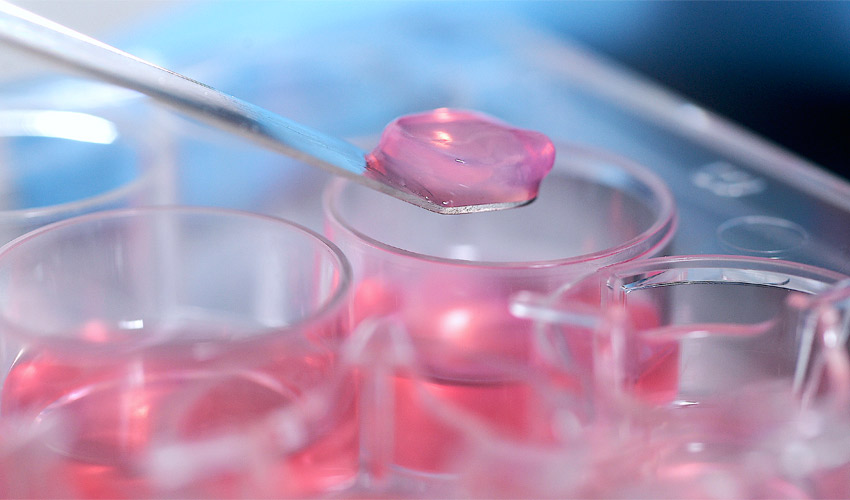
Biogelx is a spin-out from the University of Strathclyde in Glasgow, engaged in the development and production of synthetic bioinks for 3D cell cultures and bioprinting applications. When we talk about this sector and its progress, we often talk about the creation of organs, but we must keep in mind that there remains much progress before we can reach this goal. This is one of the reasons why Biogelx is interested in short and medium-term bioprinting objectives and opportunities, which are just as important as 3D printing organs. The startup is therefore looking to develop its synthetic bioinks and is partly focusing on drug development, seeking to improve testing processes and reducing costs. We had the opportunity to speak with the Managing Director, Mitch Scanlan, to learn more about Biogelx’s ambitions and market vision.
3DN: Can you present yourself and your link with 3D printing?
Mitch Scalan
Born as a spin-out of the University of Strathclyde, Biogelx is pioneering the development of tunable synthetic materials for 3D cell culture and 3D bioprinting applications. In its early years, the company developed synthetic peptide hydrogels for 3D cell culture applications. The unique chemical and physical tunability of these scaffolds were quickly recognised on the market since they are capable of replicating the characteristics of specific tissues so that the cells experience and interact with a realistic 3D environment. Furthermore, these hydrogels do not suffer from the batch-to-batch variation experienced with natural hydrogels; thus, they provide a versatile and reproducible platform for 3D cell culture applications.
In parallel with the emergence of the 3D cell culture market, we have seen an additional market materialise for 3D bioprinting where there is a requirement for high throughput or increased precision. Since Biogelx has already established a range of products to support 3D cell culture, we decided to explore the potential of our core synthetic peptide hydrogel technology as a synthetic bioink for 3D bioprinting applications. Following an 18-month development programme funded by a SMART programme awarded by Scottish Enterprise we have designed a range of novel synthetic bioink which we are commercialising under a product family called Biogelx™-INK.
More from the desk
Six other notes from the rest of the bench.
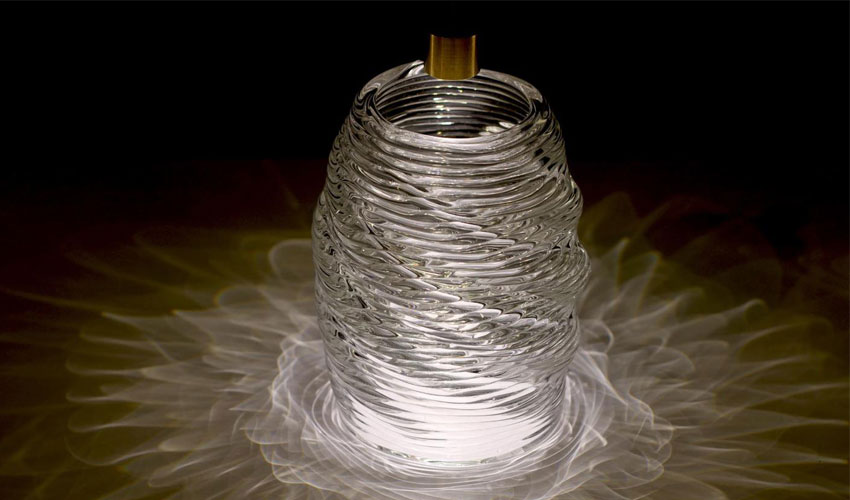 PrintersResearchers at MIT 3D Print GlassThe process of 3D printing glass can seem beyond possible, however this is what researchers at MIT have been working towards. In a paper published in 3D Printing and Additive Manufacturing in December 2018, researchers Chikara Inamura, Micheal Stern, Daniel…
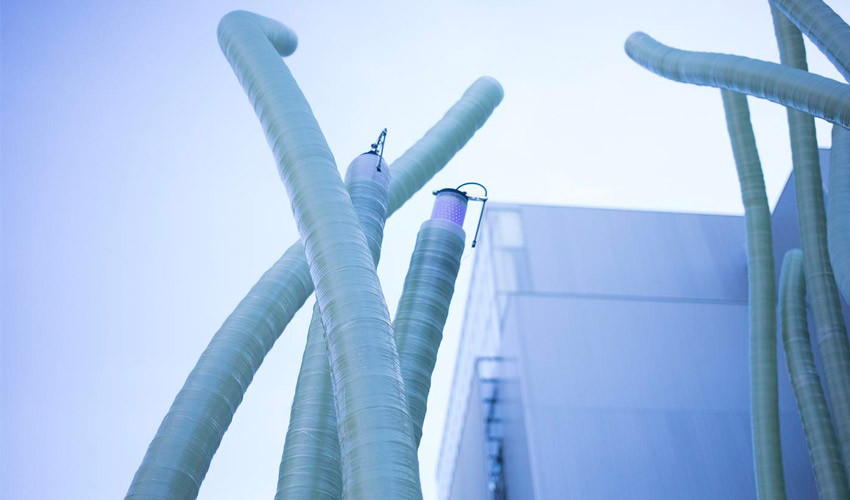 NewsFIBERBOTS; the project that combines additive manufacturing and roboticsThe MIT Media Lab is behind a number of innovative projects related to 3D printing – including those launched by architect and researcher Neri Oxman. This time, the Mediated Matter Group presents its digital manufacturing platform; FIBERBOTS. Which combines architecture and
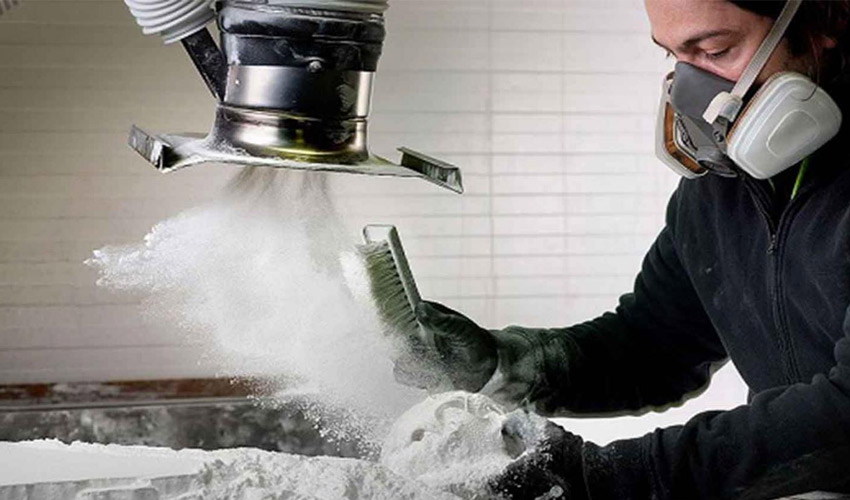 PrintersHow to optimise post-processing in 3D printing: Experts give their advice!There are many steps in the 3D printing process: from 3D modeling the piece you wish to create, to slicing your model and finally sending it to the 3D printer, each step has its importance. Once the part has been…
 NewsMcDonald’s will offer completely 3D printed burgers by 2020Fast food giant McDonald’s has just announced the creation of a brand new 3D printed burger, its 3D Mic Mac. Restaurants should be equipped with 3D printers by the end of 2020 in order to offer this customisable hamburger. According…
 Guides#3DStartup: Bone3D, 3D printing for surgeryWhile 3D technologies are progressing in the medical sector, with an annual growth rate of 35% according to the SME association, some players are doing well by presenting concrete and innovative applications. This is the case with the French startup…
 NewsSpring and Wonder: Tailor-made, 3D printed jewelryThe growth of the Shapeways 3D printing service has accelerated since its inception; After several successful fundraisers, the US has announced a range of new services including the production of personalized jewelry designs. Called Spring & Wonder, the jewelry range…