News
A New Technology Can Create 3D Models Using Sound
Additive manufacturing can be used in a wide range of fields and applications. Bioprinting in particular has shown real promise in the medical field. In this process, cellular structures are produced from a bio-ink to create skin, tissue and organs.…
- 3 min read
- News
- Six more stories

Additive manufacturing can be used in a wide range of fields and applications. Bioprinting in particular has shown real promise in the medical field. In this process, cellular structures are produced from a bio-ink to create skin, tissue and organs. To advance this field, a new project has emerged, led by scientists from the Max Planck Institute for Medical Research and the Institute for Molecular Systems Engineering and Advanced Materials at the University of Heidelberg, Germany. The research team has created a new technology to assemble 3D matter using sound. Its concept uses multiple acoustic holograms to model objects in three dimensions.
According to a study by Research and Markets, the bioprinting market will reach $5.3 trillion by 2030. This expansion is due in part to the growing number of chronic diseases worldwide that require innovative solutions. In the US alone, 105,800 people are on the national transplant list according to the Health Resources and Services Administration (HRSA) with a new person being added every 10 minutes. However, demand exceeds the supply, which is why there is an urgent need to develop new applications. Now, a further step could be taken in bioprinting with the new technology that combines sound and 3D printing.
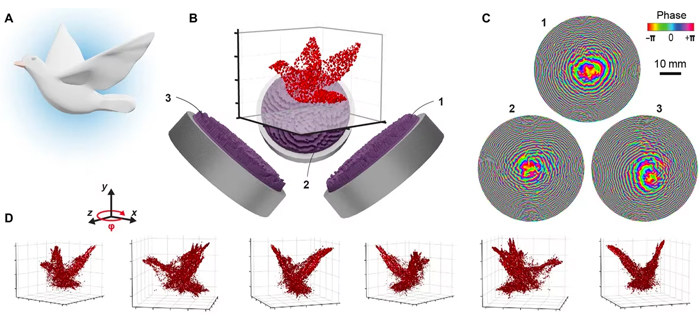
Photo Credits: Max Planck Institute / University of Heidelberg
Characteristics of the 3D Technology
The project began when researchers first investigated how to form ultrasound using acoustic holograms. It was shown that these used sound fields could create 2D shapes. Then to make the method possible, the team developed a technology in which sound waves exert a force on the material, shaping the object. This is done using high frequency ultrasound, which cannot be perceived by the human ear. In addition, the wavelengths of the generated waves push below a millimeter, making it an ideal technique for manipulating a wide variety of materials, including biological cells and glass.
More from the desk
Six other notes from the rest of the bench.
 ApplicationsWorld’s First 3D Printed Trachea Successfully Transplanted in South KoreaThe continuous innovations in 3D printing within the medical field never fail to astonish, offering possibilities previously unattainable through traditional methods. Additive manufacturing, primarily valued for its capacity to tailor medical solutions, presents numerous advantag
 ApplicationsOlli 2.0: what are the new features?You most likely remember Olli, the 3D printed minibus designed by the American Local Motors. A small revolution in the automotive sector that already demonstrated at the time that additive manufacturing has a real advantage in this demanding industry. The…
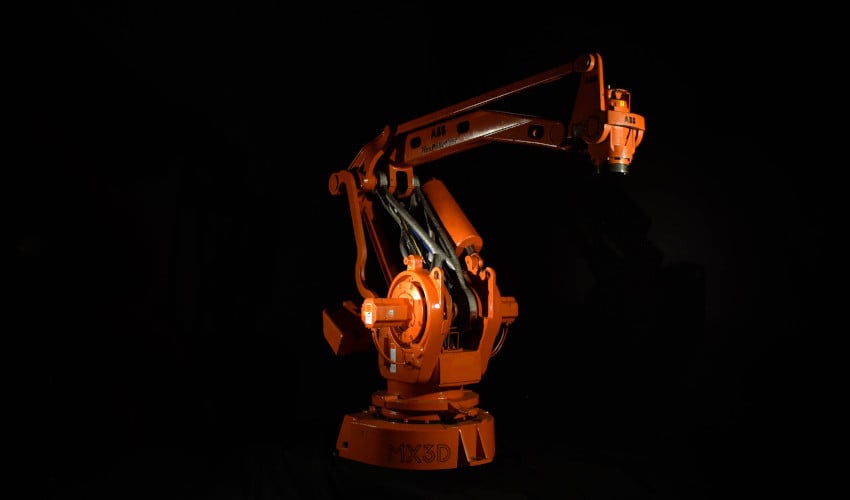 GuidesMX3D on the benefits of WAAM technology, the Robot Arm, and moreMX3D is a young company that mainly specializes in robotic metal 3D printing. Founded in 2014, the Amsterdam-based company has made quite a few headlines with their ambitious projects, such as the 3D printed stainless steel pedestrian bridge in the heart of Amsterdam…
 ApplicationsVolvo Embraces 3D Printing With Titomic’s Cold Spray TechnologyRepeatedly, we’re exposed to the groundbreaking applications of 3D printing within the automotive and transportation industries, showcasing the immense potential of this technology. Numerous car manufacturers have embraced additive manufacturing in their production processe
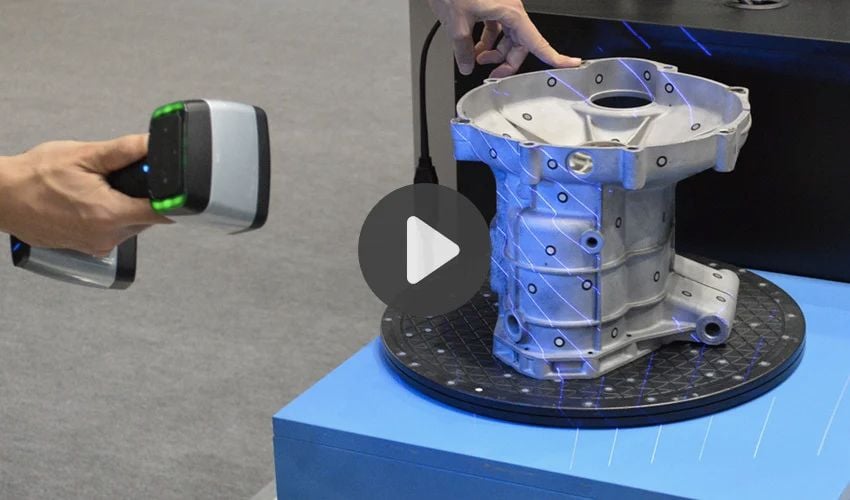 NewsSHINING 3D Offers High Precision Inspection With 3D ScanningSHINING 3D is a manufacturer of 3D digital technologies. Its ecosystem of solutions covers the entire digital manufacturing workflow, from 3D scanning to 3D printing, design and inspection, in a wide range of applications and industries. At Formnext this year…
 GuidesSneakprint Creates the Perfectly Fitted Pair of Sneakers Using 3D PrintingAdditive manufacturing is increasingly making its mark in the fashion industry, particularly appealing for its creative freedom and customization. From 3D-printed clothing by Mark Zuckerberg to 3D-printed silver jewelry and 3D-printed flip-flops by Asics, 3D printing continues to