Applications
A Breakthrough for 3D Printed Heart Valves from Georgia Tech
3D printed heart valves have been around for years. In fact, in 2023 the Cureus Journal of Medical Science published Trends and Challenges in the Development of 3D-Printed Heart Valves and Other Cardiac Implants: A Review of Current Advances, which…
- 3 min read
- Applications
- Six more stories
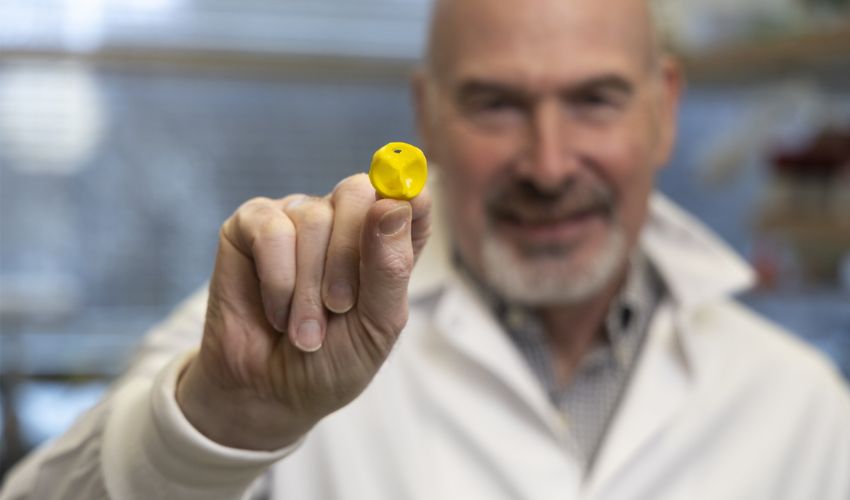
3D printed heart valves have been around for years. In fact, in 2023 the Cureus Journal of Medical Science published Trends and Challenges in the Development of 3D-Printed Heart Valves and Other Cardiac Implants: A Review of Current Advances, which reported “tremendous progress” in 3D printed heart valve development in recent years, specifically noting improvements with biocompatibility, customization and functional performance. Regarding limitations, however, they explained that these heart valves still needed to be more affordable and scalable, and have enhanced biocompatibility, But now, a breakthrough is on the horizon. Researchers at Georgia Tech 3D printed heart valves that, for the first time, are bioresorbable and made of shape memory material.
Over five million people in the United States are diagnosed with heart valve disease every year. The disease happens when any of the four heart valves in the human body are diseased or damaged. These valves open and close to regulate blood flowing in and out of the heart, and diseased valves might not fully open and close, causing various uncomfortable symptoms and sometimes, fatalities. According to the U.S. Centers for Disease Control, heart valve disease can often be treated with medicine, but more severe cases might require replacing the valve. Current replacement valves are usually made of animal tissue and must be replaced every 10 to 15 years. For children, the options are much slimmer, and treatment can require multiple reinterventions.
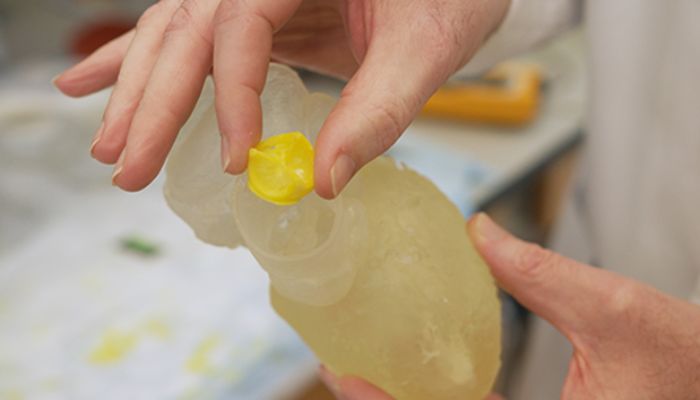
The bioresorbable heart valve (yellow)
The Georgia Tech project was the result of two teams joining forces. One team was led by Lakshmi Prasad Dasi, a leading researcher in heart valve function and mechanics, and the other championed by Scott Hollister, a top expert in tissue engineering and 3D printing for pediatric medical devices. Dasi explained their innovation’s distinctions, saying “This technology is very different from most existing heart valves, and we believe it represents a paradigm shift. We are moving away from using animal tissue devices that don’t last and aren’t sustainable, and into a new era where a heart valve can regenerate inside the patient.”
More from the desk
Six other notes from the rest of the bench.
 NewsA Metal Alloy That’s Easier to 3D Print Thanks to AIWashington State University researchers used artificial intelligence to 3D print a metal alloy more affordably and efficiently. The project shows how AI is beginning to change additive manufacturing workflows as the technology advances rapidly. The alloy was GRCop-42, a material&
 NewsA Virginian Family Has Moved Into Habitat for Humanity’s First, Completed 3D Printed HomeIn some good news from the holidays, a family has officially moved into Habitat for Humanity’s first completed 3D printed home. Completed only a few short weeks ago, the home was built in a partnership between Alquist, a 3D printing…
 PrintersThe Mooz 3D Printer can Print, Engrave, and Carve Wood!A printer that has recently been making a lot of noise in the 3D printing world is the MOOZ. The MOOZ is a 3D printer currently on Kickstarter that isn’t just a 3D printer. It’s a 3-in-1, 3D printer, laser…
 GuidesPrintSyst.ai proprietary AI engine enables 3D printing with confidencePrintSyst.ai is a startup that has focused over the last couple of years on developing artificial intelligence to solve the significant cost of the pre-printing processes in additive manufacturing. Today, analyzing parts before 3D printing is a crucial step that…
 Guides3D Printing Files that Made an Impression in 2021The end of the year (or the beginning!) is often the occasion for 3Dnatives to look back on the best moments of 2021 and to highlight some of the initiatives that have impacted the 3D printing market. This time, we…
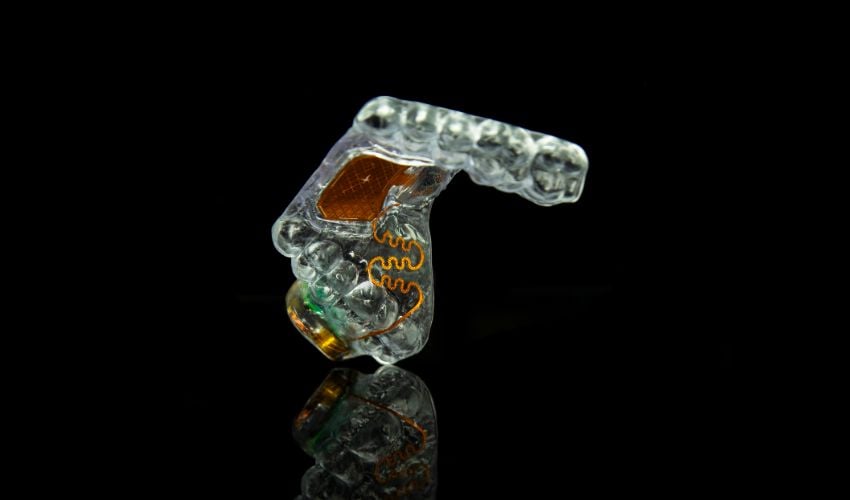 Guides#3DStartup: Augmental’s MouthPad^ Makes Technology More AccessibleWhat if it were possible to control a computer, tablet, or phone without moving a finger? For people with paralysis, Mouthpad^ from Augmental makes this a reality. The device sits discreetly on the roof of the mouth and converts subtle head…