News
A 3D Printed Ultrasonic Sensor to Warn About Hazardous Weather Conditions
The University Corporation for Atmospheric Research (UCAR) is behind a project called 3D-PAWS (3D Printed Automatic Weather Station), which uses 3D printing to design tools and instruments to enable earlier detection of high-impact weather events. The teams are presenting their&h
- 3 min read
- News
- Six more stories
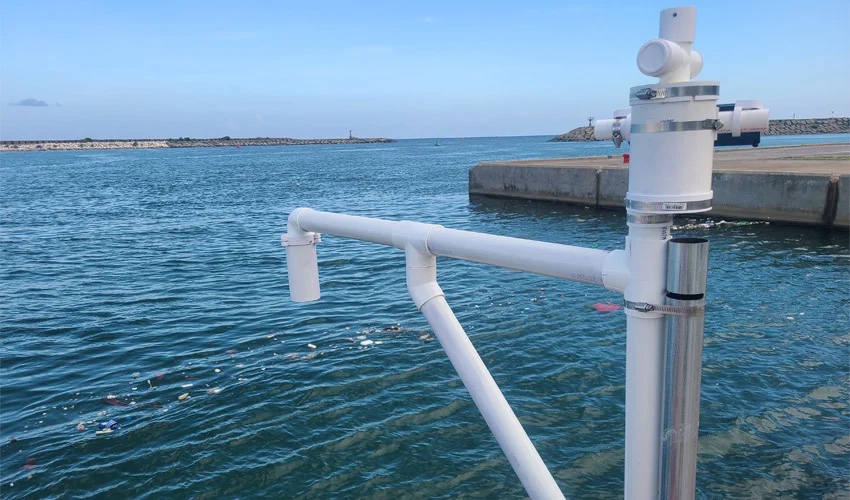
The University Corporation for Atmospheric Research (UCAR) is behind a project called 3D-PAWS (3D Printed Automatic Weather Station), which uses 3D printing to design tools and instruments to enable earlier detection of high-impact weather events. The teams are presenting their latest achievement, a conical-shaped ultrasonic sensor protected by a 3D printed shell. It will allow to better measure not only the streamflow and snowfalls but also storm surges and the link in order to better protect populations in areas that are prone to hazardous weather.
3D-PAWS was launched 5 years ago with the goal of making weather data collection more accessible. One of the project leaders of this initiative, Paul Kucera, explains, “Our goal is to enable our end users to make and sustain their own networks rather than getting commercial sensors, which could cost several thousand dollars.” One way to lower the total cost of these tools is through additive manufacturing. That way, anyone can create their own instruments. The project started with weather stations to get more data on humidity, precipitation, pressure and even temperature. Already, 3D-PAWS has been equipped regions such as Barbados, Kenya, Uganda and Zambia.
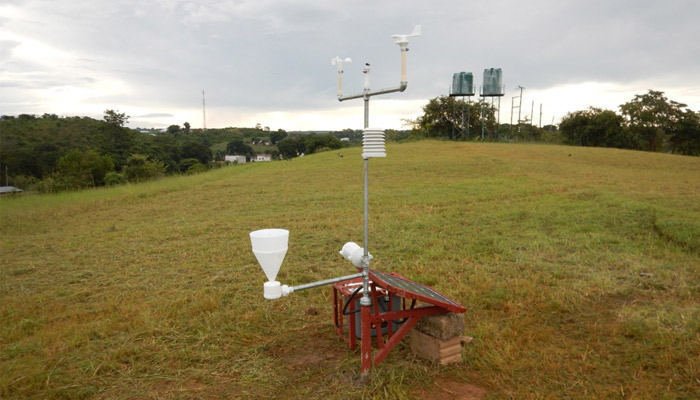
A 3D printed weather station installed in Zambia (photo credits: 3D-PAWS)
After initial success with these weather stations, 3D-PAWS is now focusing on something new: remote sensing. The goal is to design a system that could detect streamflow changes, sudden storm surge rising on the shore, and snowfall in remote mountain areas. Martin Steinson, mechanical engineer and designer of the 3D-PAWS instruments, adds, “We are getting much closer to creating a useful warning system. We will be able to combine weather stations and stream gauges to provide information that can impact people’s daily lives.” From there, the ultrasonic sensor was born, protected by a 3D printed shell with an acrylic polymer. The project members have remained tight-lipped about the printing phase and the solutions employed.
More from the desk
Six other notes from the rest of the bench.
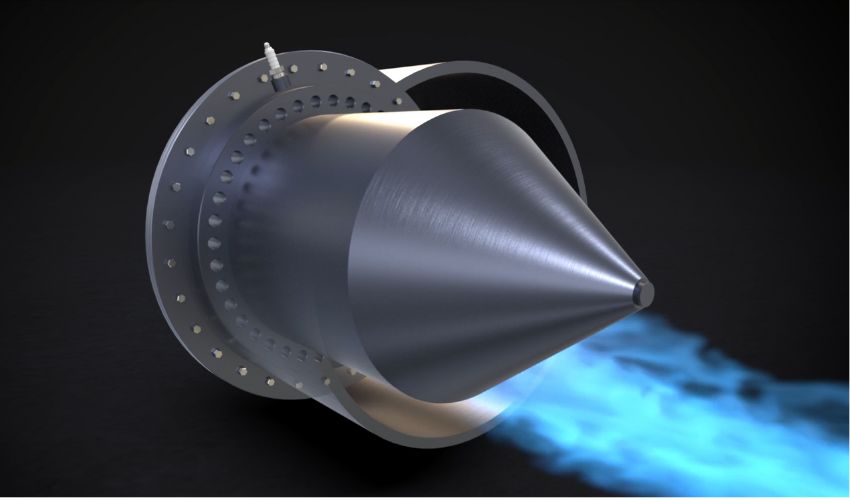 ApplicationsAfter Decades of Research, Additive Manufacturing Helps Unlock Rotating Detonation EnginesA rotating detonation engine is a kind of propulsion system that has been theorized about and researched for years, but this design only existed on paper and in prototypes. This year, a team of engineers at RTX built and tested…
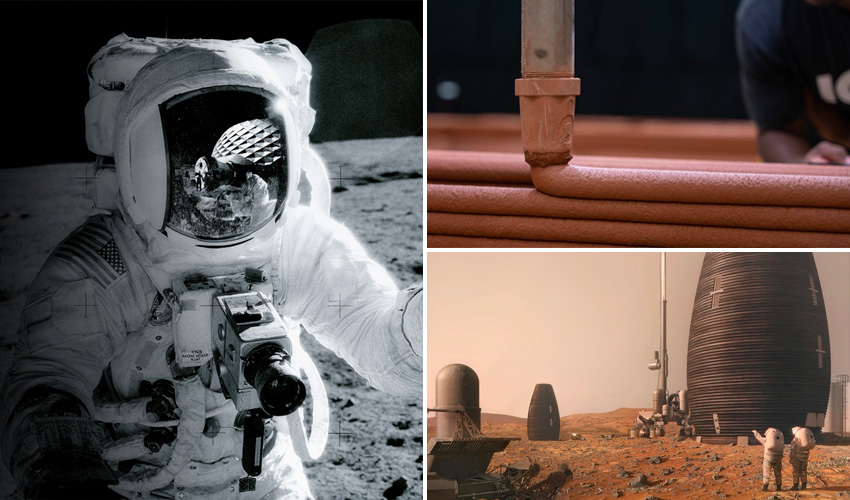 GuidesUsing 3D Printing to Conquer Outer SpaceEveryone has heard of the Space Race that took place in the 20th century. The battle between the Soviet Union ended in 1975, but did you know a new Space Race has been sparked? This time, scientists all over the…
 NewsTOP 5 videos of the week: Medical Imagery and more!We found the TOP 5 videos of the week related to 3D printing and collected the additive manufacturing here. Share your videos and comment on the article below or on the 3Dnatives’ Facebook or Twitter account. Hope you’ll enjoy and…
 PrintersBambu Lab Announces Recall of Popular A1 3D PrinterIt was not so long ago that we were telling you about the anticipated launch of Bambu Lab’s new A1 3D printer. Designed to be the company’s first ever bed-slinger 3D printer, it prompted serious interest, along with the A1…
 NewsTop 5 videos: 3D printed steak and moreThis week we found the top 5 videos about 3D printing and the way additive manufacturing is changing production. The technology has infiltrated many sectors, from medical to automotive – check our selection of the week to keep up with the innovations! If you enjoy these, you&hell
 NewsIn Seoul, 3D Printing Has Been Used to Create a Carbon-Neutral City Model Called Habitat One3D printing is one of the best allies of our planet to preserve its fauna and flora in many aspects. We have seen how marine ecosystems have been reconstructed to help preserve others as well as the creation of things…