News
7 Reasons Why 3D Printing Is Opening New Doors for the Food Industry
3D food printing began in 2006 with the Fab@Home, a printer developed by Cornell University that could only work with chocolate, cookie dough, and cheese. Since then, the technology has evolved into a digital production method applied to issues as…
- 3 min read
- News
- Six more stories
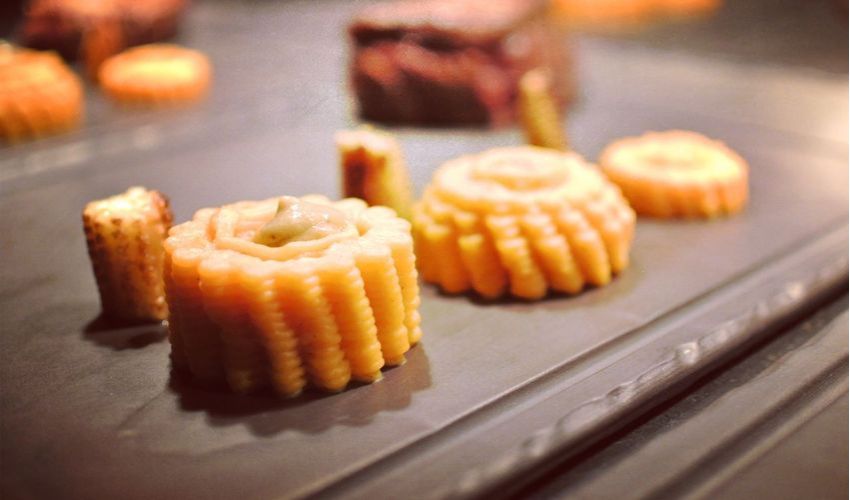
3D food printing began in 2006 with the Fab@Home, a printer developed by Cornell University that could only work with chocolate, cookie dough, and cheese. Since then, the technology has evolved into a digital production method applied to issues as diverse as food waste, sustainability, and personalized nutrition. The principle is the same as in any other 3D printing process: creating structures—in this case, edible ones—layer by layer from a digital model. The most common process remains extrusion, though other methods using powdered ingredients have emerged.
For many, the idea of “printed food” evokes something artificial or ultra-processed. Industry experts describe it differently: it is just another tool, like an oven or a blender, and the quality of the result depends on the ingredients used. With that in mind, here are seven reasons why 3D printing continues to matter in the food industry.
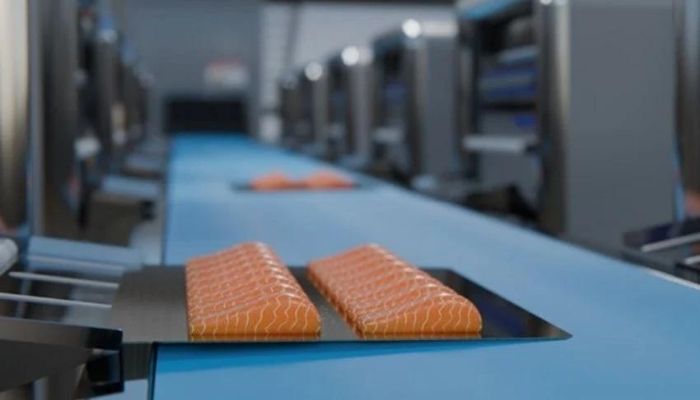
#1: Unleashing Creativity in Haute Cuisine and Pastry Making
In haute cuisine, 3D printing is transforming the presentation of dishes. It allows for the creation of shapes, structures, or layered ingredients that would be very difficult to replicate by hand. Something similar is happening in pastry making. A complex decoration can take hours of manual labor, and the result is never identical from one piece to the next. With 3D printing, that time is significantly reduced, and each piece turns out exactly like the last.
More from the desk
Six other notes from the rest of the bench.
 PrintersHow To Get the Most Out of the FreeScan UE Pro 3D Scanner and its Integrated PhotogrammetryA few weeks ago we introduced you to Shining 3D’s new 3D scanning solution. The so-called FreeScan UE Pro is a portable 3D scanner with a number of more advanced features than its predecessor, the FreeScan UE. Broadly speaking, this…
 GuidesProthesia Facilitates Access to Orthotics and Prosthetics in Latin AmericaGone are the traditional methods of manufacturing orthoses and prostheses. 3D printing has made it possible to create these types of medical devices, making them lighter, stronger and adjustable to the specific needs of each person. Prothesia, a Mexican company,…
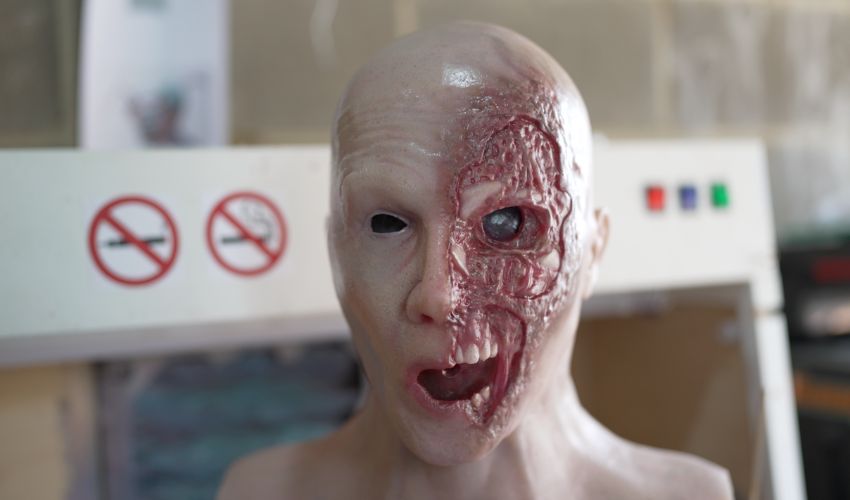 GuidesAnthroTek Mimics Human Tissue Behavior Using 3D PrintingIt’s almost unrealistic to think that additive manufacturing can achieve this level of detail, don’t you think? And yet, you’re not dreaming: technology makes it possible to recreate body parts, skin models, and organs that are extremely faithful to reality.&hel
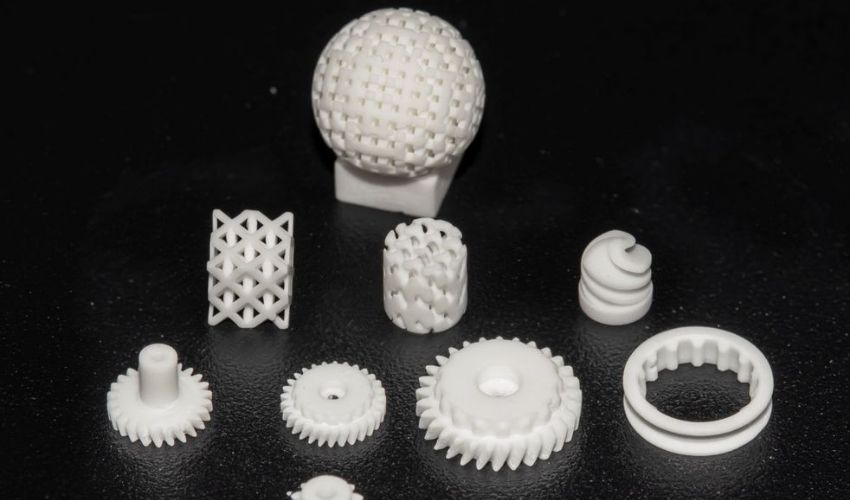 PrintersBMF Has Released its Highest-Resolution Micro-Scale 3D Printer, microArch S230As summer winds down and school gets back into session, so are companies kicking it back into gear. After a restful break, 3D printing companies have signalled the start of September with a flurry of news. Among these, Boston Micro…
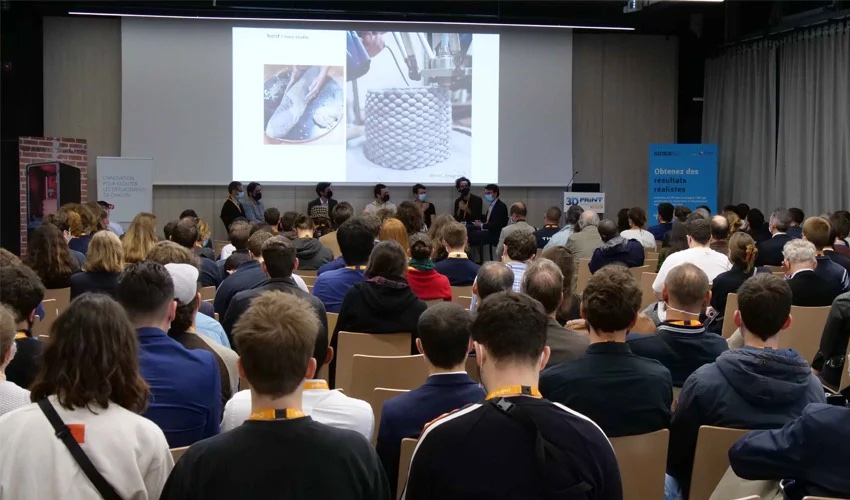 NewsWhat Can You Expect at 3D Print Paris 2022?Trade shows are still an excellent for additive manufacturing users to meet and learn about personalized solutions. 3D Print Paris, a key event for the 3D printing industry, is now back for its second edition, taking place on October 19th…
 MaterialsThe US Army invests up to $11 million in the development of new polymersThe US Army keeps exploring the wide range of possibilities provided by additive manufacturing technologies. Recently, the Army allocated $11 million in total for the research and development of new high-performance polymer materials. Who will be conducting the research? The&hell