Materials
How will 4D printing disrupt our current manufacturing techniques?
In April 2013, Skylar Tibbits, founder of the MIT Self-Assembly Lab, hosted a TEDx conference in which he introduced a new concept to the 3D printing process. For the first time, he introduced a fourth dimension to this technology that…
- 3 min read
- Materials
- Six more stories
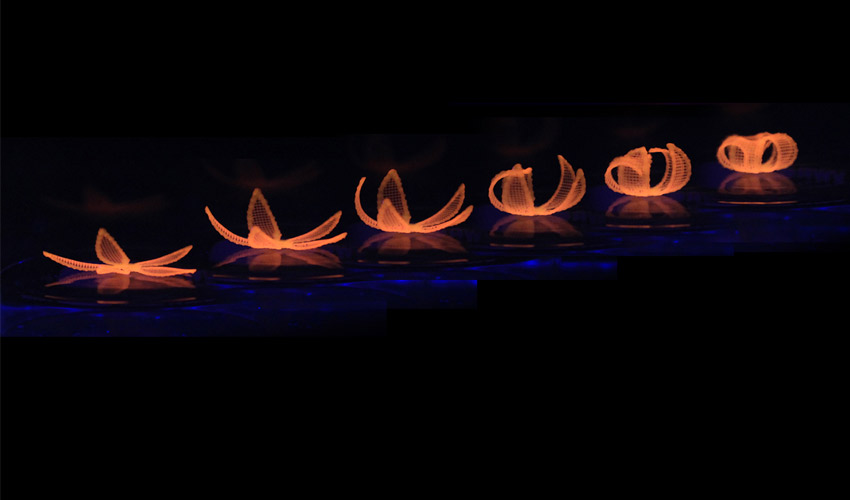
In April 2013, Skylar Tibbits, founder of the MIT Self-Assembly Lab, hosted a TEDx conference in which he introduced a new concept to the 3D printing process. For the first time, he introduced a fourth dimension to this technology that was already disrupting many sectors. He explained that 4D printing was like adding a new feature to a material that would be used for 3D printing, more precisely it was the material’s ability to transform over time. In fact, thanks to 4D printing, a material can change shape by itself, without any human intervention but simply over the influence of external factors such as light, heat, vibration, etc.
Since then, 4D printing has attracted the interest of many industries that see great potential for customizing devices and structures. According to the 2019 Gartner Report, interest in 4D printing is growing. By 2023, startups focusing on this technology should attract $300 million in venture capital. So inevitably, faced with this observation, we wonder what will the future of 4D printing be. Will it replace additive manufacturing for some applications? What will be its impact on the industry?
This 3D printed object gradually changes shape due to external factors. In other words it’s a 4D printed object | Credits: Self-Assembly Lab
How does 4D printing work?
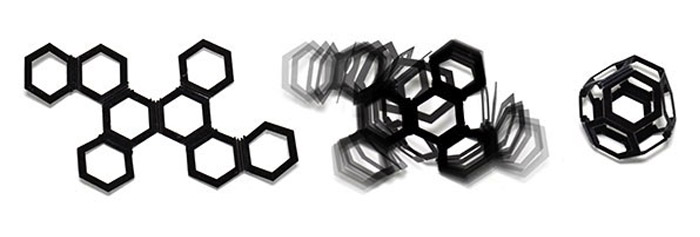
4D printing is strongly inspired by the principle of self-assembly, which is not a new concept. You have probably heard of molecular self-assembly where molecules form complex structures without any human intervention. A concept widely used in nanotechnology as well for example. 4D printing therefore takes this principle to the next level. If it’s possible for small structures on a microscopic scale to assemble and move on their own, why not imagine it on larger 3D printed objects?
More from the desk
Six other notes from the rest of the bench.
 News$1.25 Million Grant to Protect Hawaiʻi Using 3D Printed Environmental Hazard SensorsHawaiʻi faces a wide range of environmental hazards, including wildfires, drought, flooding, hurricanes, tsunamis, and water contamination. These risks are becoming more severe as the climate continues to change, raising urgent questions about how to protect both the islands and&
 NewsTop 5 Videos: Emirates, GE & More!This week’s Top 5 Videos contains a variety of interesting videos from companies, and researchers. These range from new printing processes, to plans to build 3D-printing drone armies that can build shelters for those affected by natural disasters. Remember, a…
 NewsSteakholder Foods Unveils Its New, Highly Marbled 3D Printed Beef CutsRecently, international deep-tech food company Steakholder Foods Ltd announced the release of a new, 3D printed meat cut called Omakase Beef Morsels. The richly marbled structured meat product is the first of its kind and was created using a specific 3D-bioprinting…
 NewsTop 5 Videos: 3D Printed Houses & More!This week’s Top 5 Videos include a variety of videos from many big names in 3D printing and general manufacturing. This ranges from 3D printing giant 3D Systems and desktop FDM 3D printer brand Ultimaker, to MIT research. Remember, a…
 NewsTOP 5 Videos: 3D Printed Titanium BikeThis week we found the top 5 videos about 3D printing and the way additive manufacturing is changing production. The technology has infiltrated many sectors, from medical to automotive: check our selection of the week to keep up with the innovations! If you enjoy these, you&helli
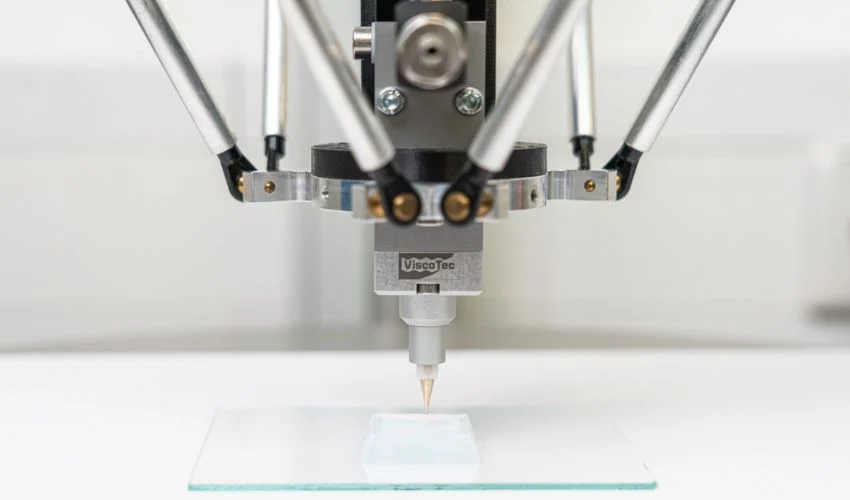 GuidesViscoTec Makes Liquids and Pastes Compatible With 3D Printing Thanks to Innovative PrintheadsViscoTec offers high-precision dosing pumps and systems that are used all over the world. Customer satisfaction is always at the forefront of the company’s activities, which is why it has enjoyed considerable success since its founding back in 1997. Starting…