Guides
#3DStartup: Think3DDD on Using AM to Make Orthotics for Animals
3D printing is increasingly finding its way into the medical field with an ever-increasing focus on orthotic and prosthetic manufacturing. This is notably because additive manufacturing allows each one to be fully adapted to the morphology of an individual patient…
- 3 min read
- Guides
- Six more stories

3D printing is increasingly finding its way into the medical field with an ever-increasing focus on orthotic and prosthetic manufacturing. This is notably because additive manufacturing allows each one to be fully adapted to the morphology of an individual patient – including our animal friends. This brings about great benefits: an immense simplification of the individual steps in the manufacturing process as well as the adaptation to individual medical needs. The Berlin-based start-up Think3DDD has also recognized these benefits and since 2018 has been involved, among other things, in the production of 3D printed orthotics for animals – sustainable, cost-effective and individualized. We sat down with Tino Jacobi, founder and CEO of Think3DDD, to talk about his connection to additive manufacturing, the 3D printing process as well as future plans with his company.
3DN: Could you introduce yourself and Think3DD?
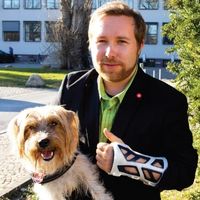
Founder and CEO Tino Jacobi with his dog Kibo (photo credits: Think3DDD)
I have been interested in new technologies and their interdisciplinary applications for a very long time. I first came into contact with 3D printing during my A-levels with a focus on computer science and chemistry. I used it to construct several spare parts and teaching models for the Lise Meitner Secondary School. This was followed by several youth research projects.
What particularly excites me about 3D technologies is their versatility, high material selection, material-saving manufacturing, and flexible customization options. If the 3D scanning method is cleverly combined with intelligent automated software and innovative materials, then groundbreaking and unique products can be created. Because I am fascinated by the almost endless possibilities of 3D technologies, I have turned my hobby into my profession.
More from the desk
Six other notes from the rest of the bench.
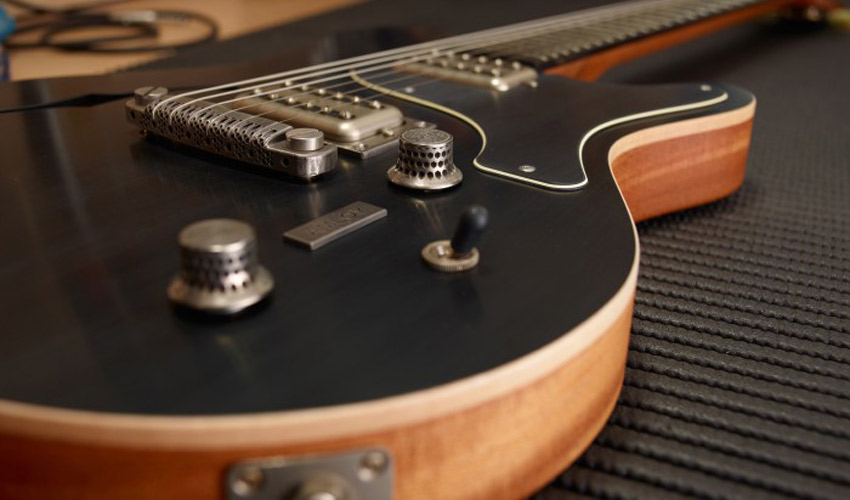 GuidesNik Huber Guitars rely on metal 3D printingNik Huber Guitars (NHG) is a company that has been building electric guitars for several years now. It has recently turned to additive manufacturing through a collaboration with Heraeus, a German company specializing in precious metals. Together, they have 3D…
 NewsWork Begins On World’s First 3D Printed Mosque3D printing is an emerging technology in the field of construction and building, offering a more efficient workflow and the ability to construct on command. We’ve seen houses, offices, resorts, but soon will see another first: the world’s only 3D…
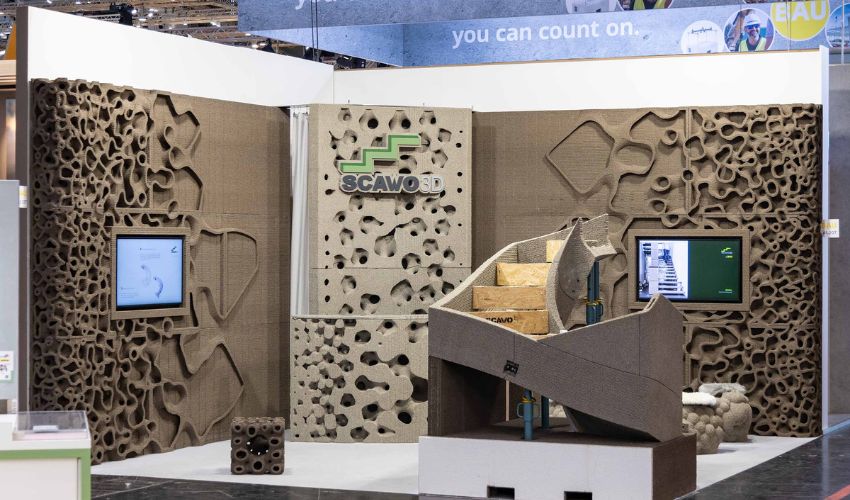 GuidesScawo3D Enables Freedom in Architecture With Inkjet Concrete PrintingAnyone involved in 3D printing is unlikely to have missed the trend towards 3D printed houses. Innovative companies are continuously driving the establishment of 3D printing in the sector. Extrusion printing is often used in current projects, with huge printing robots…
 NewsInterview with PrintStones about their mobile concrete 3D printing solutionThe startup PrintStones from Vienna deals with the automation of construction operations. They focus on the development of a 3D printing technology for concrete and similar materials, which are used directly on site. This eliminates the need to work with…
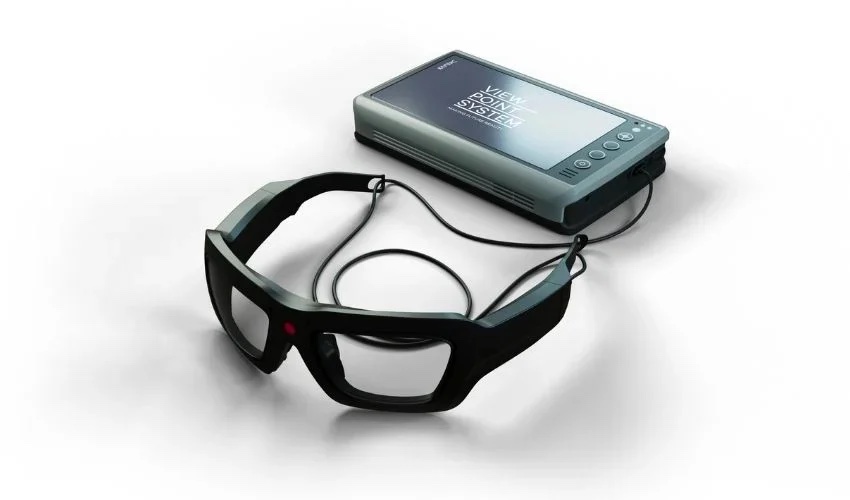 Guides#3DStartup: Viewpointsystem on Using AM for Their Smart GlassesVienna-based start-up Viewpointsystem has been working intensively on a solution to bring man and machine closer than ever before. The result: forward-looking smart glasses made with scientific know-how in the field of optics. However, what exactly is the contribution of…
 Applications3D Printed Human Skin Equivalents Help Identify Potential HSV TreatmentsHerpes Simplex Virus (HSV) is estimated to infect 64% of the world’s population, according to the World Health Organization. The virus causes oral and genital herpes, and while it can be asymptomatic, it can also cause painful flare-ups and make…