Guides
#3DStartup: Allow Motion and Its 3D-Printed, Mind-Controlled Prosthetics
The market for 3D-printed prosthetics continues to grow, as additive manufacturing offers unique opportunities in terms of customization, comfort, and cost. It allows for components tailored to each person’s anatomy—all more quickly and at unbeatable prices. This makes these pros
- 3 min read
- Guides
- Six more stories
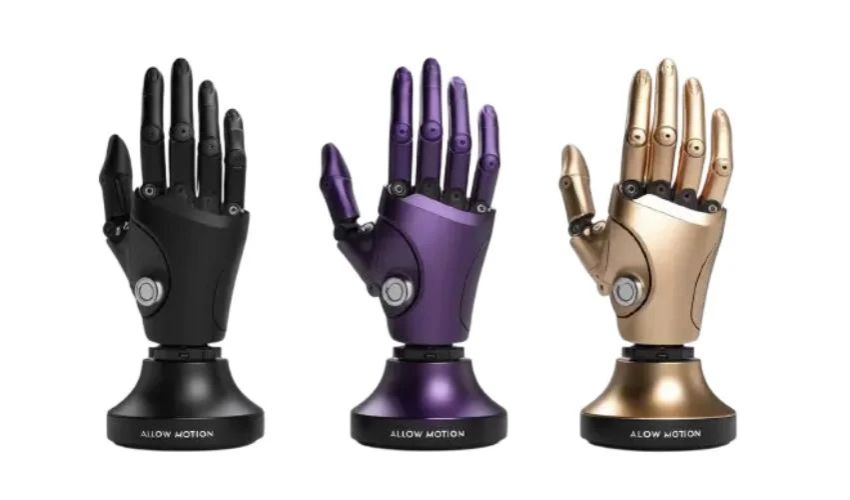
The market for 3D-printed prosthetics continues to grow, as additive manufacturing offers unique opportunities in terms of customization, comfort, and cost. It allows for components tailored to each person’s anatomy—all more quickly and at unbeatable prices. This makes these prosthetics more accessible. So, what sets the startup Allow Motion apart in this rapidly growing market? The young Belgian company offers personalized, 3D-printed myoelectric prosthetics controlled by artificial intelligence. This AI learns from the human body, allowing the user to control it with their thoughts rather than through muscles or buttons. We met with its co-founder, Joachim Delporte, to learn more!
3DN: Could you briefly introduce yourself and tell us how you first learned about additive manufacturing?
My name is Joachim Delporte, co-founder and CEO of Allow Motion. Together with my brother Dylan, a biology specialist, we grew up in an environment where our parents used orthoses and prostheses on a daily basis. When we realized the limitations of existing solutions, we decided to create Allow Motion.
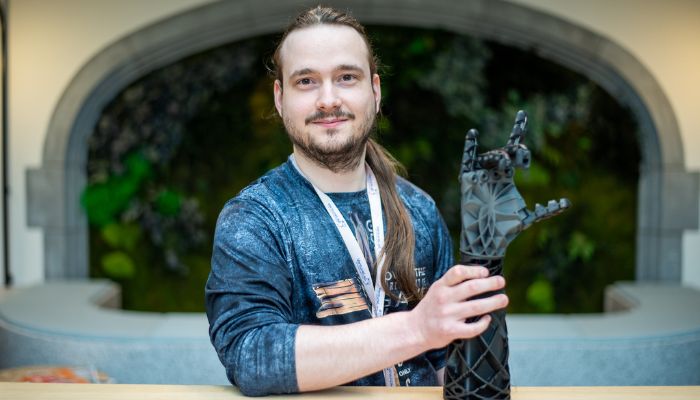
Joachim, co-founder of Allow Motion
Personally, I discovered additive manufacturing in 2012, when the first 3D printers for the general public hit the market. I remember thinking how fascinating it was to be able to create objects from a simple filament. This technology immediately struck me as revolutionary, especially for creating customized, fast, and accessible solutions—something obvious in the field of prosthetics. Additive manufacturing emerged as a natural choice: it allows for rapid production, lower costs, and complete customization—essential advantages for meeting users’ real needs.
More from the desk
Six other notes from the rest of the bench.
 NewsSimplifyber is Offering Eco-Responsible Clothing Made With Additive ManufacturingLike many industries, the textile sector could also find itself upended with the emergence of additive manufacturing. As 3D printers are developed to print materials and colors on textiles, more and more fashion companies are turning to the technology. Among…
 NewsRiddell uses new Carbon L1 printer to create first ever 3D printed helmet linerThe manufacturer Carbon has announced the arrival of their new large-scale 3D printer, the L1. The L1 comes after the launch of their two previous printers, the M2 and M1. As a matter of fact, based on the same technology,…
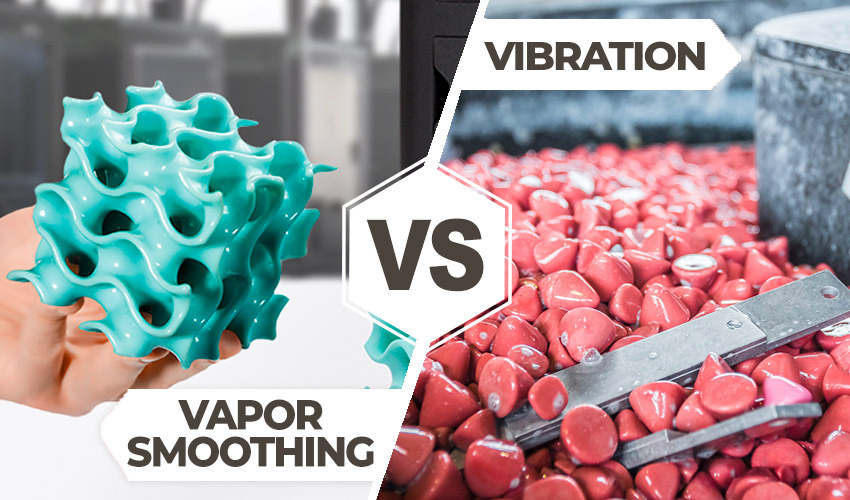 GuidesVapor Smoothing vs. Vibratory Finishing: Which Surface Finishing Process Should you Choose?In order to achieve a polished and refined surface on 3D printed parts, engineers use a broad range of industrial finishing techniques including coating, sandblasting and hand finishing methods. Although 3D printing allows for the production of intricate and complex…
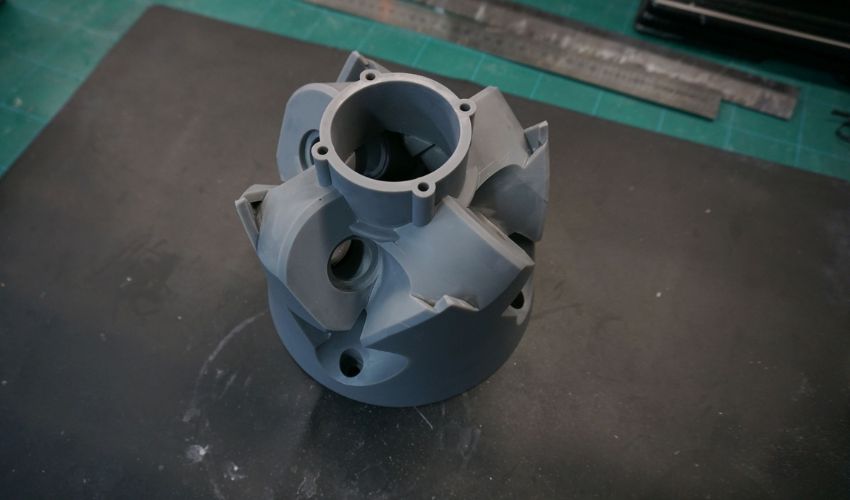 GuidesVelettrica Uses 3D Printing for More Sustainable Maritime TransportAdditive manufacturing can create parts with advanced materials that guarantee effective and cost-efficient solutions even in the most extreme environments, from the sky to space and the depths of the ocean. A prime example of this technological revolution is Velettrica,…
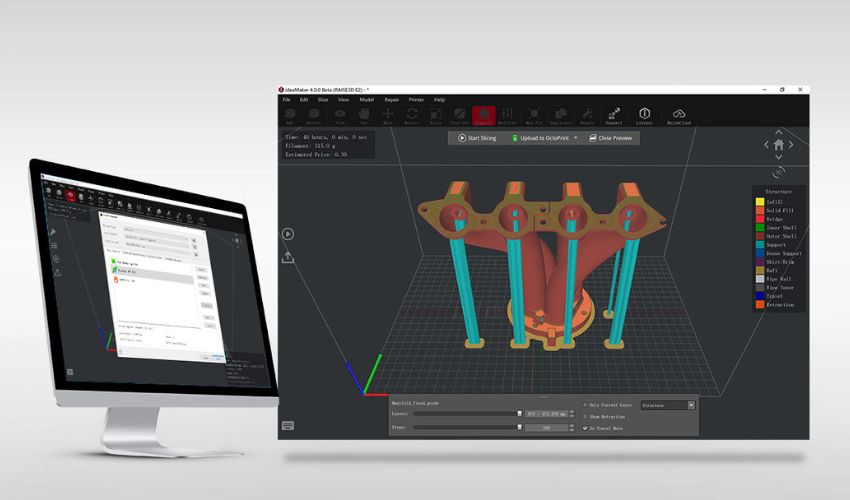 SoftwareideaMaker: The Free Slicer from Raise3DAs you probably know, slicers are a critical step when 3D printing a part. As an intermediary between the 3D model and the 3D printer, slicers allow the machine to understand the information in the 3D model thanks to a…
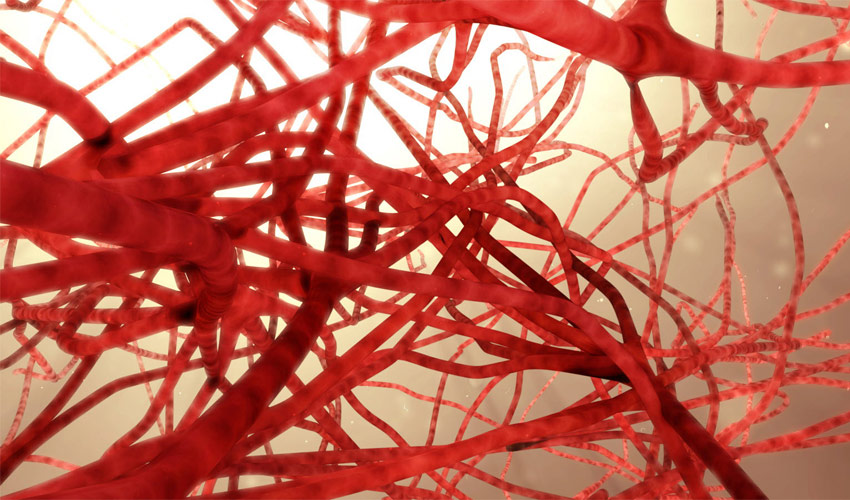 ApplicationsA Network of 3D-Printed Blood Vessels to Facilitate TransplantsAt the Israel Institute of Technology, Technion, scientists have created a network of 3D-printed blood vessels that would be able to supply the necessary amount of blood to an implanted tissue. Still in the research stage, this project could have…