Applications
3DExpress: World’s Largest 3D Printed Pharmaceutical Facility Opening in China
Since its founding in 2015, pharmaceutical company Triastek has repeatedly made headlines with its advances in 3D printed drugs—including treatments for ulcerative colitis, bowel disease, and more. Now, the company has announced the opening of the world’s largest 3D printed&helli
- 3 min read
- Applications
- Six more stories
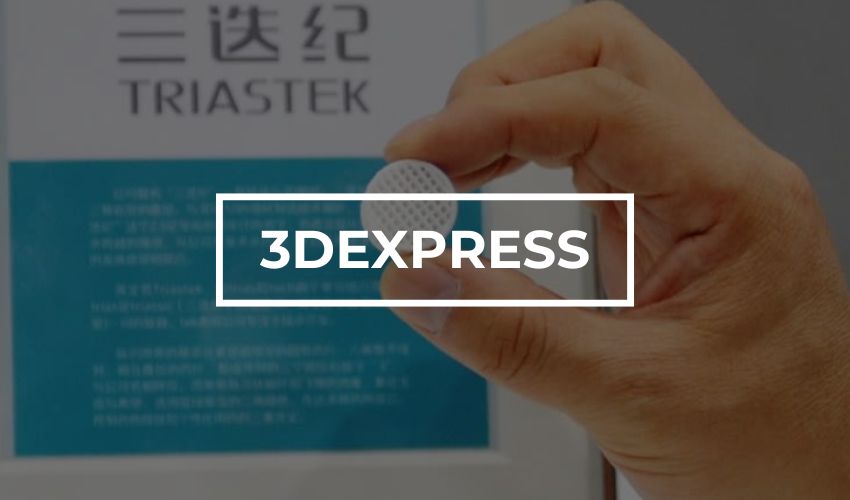
Since its founding in 2015, pharmaceutical company Triastek has repeatedly made headlines with its advances in 3D printed drugs—including treatments for ulcerative colitis, bowel disease, and more. Now, the company has announced the opening of the world’s largest 3D printed pharmaceuticals center. Meanwhile, in another major development, Russian state nuclear corporation Rosatom revealed plans to launch its first Additive Manufacturing Center in Belarus. Catch these stories and more in this week’s 3DExpress!
World’s Largest 3D Printed Pharmaceuticals Facility Opening in China
Triastek is opening a 3D printing pharmaceutical facility in Nanjing, Jiangsu province. According to the China Daily, the production center should be able to produce 300 million tablets every year with the use of fully automated and autonomous 3D printers. Making tablets traditionally involves many steps: granulation, mixing, tableting, coating and blister packaging. 3D printing them, however, means that only blending and melting, printing, and packaging are necessary. 3D printing tablets also allows for more complex internal structures and can improve quality control, among other benefits. The Jiangsu Medical Products Administration granted Triastek China’s first pharmaceutical production license for 3D printed drugs. Now, Triastek will be the second company in the world to commercialize additively manufactured drugs, after the US company Aprecia. Triastek has completed pharmaceutical research and clinical trials for the anticoagulant Apixaban tablet (T20j), and is now waiting for market approval. The company currently has more than 10 other 3D printed drug products in phase I or phase II clinical trials.
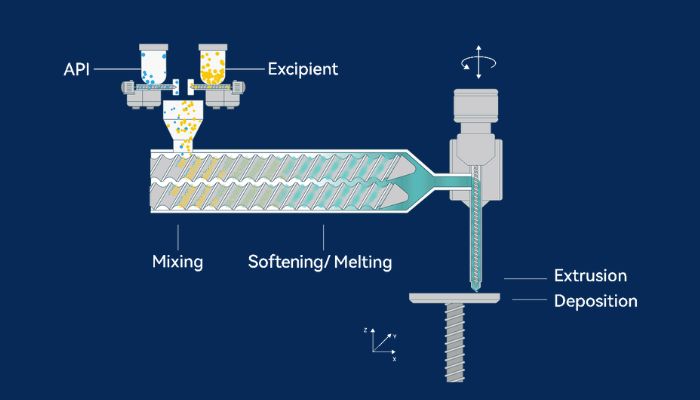
Triastek’s Melt Extrusion Depostion (MED®) 3D printing process (Image Credit: Triastek)
Rosatom, Russian Nuclear State Corporation, Opens Center for Additive Technologies in Belarus
The State Atomic Energy Corporation Rosatom (Rosatom) opened the first Centre for Additive Technologies (TsAT – Tsentr Additivvnikh Tekhnologii) in Belarus. The Moscow-based corporation specializes in nuclear energy, and also has assets in power engineering, machine engineering and construction, among others. Their additive technologies division was established in 2017, and since then, they have opened seven centers for Additive Technologies across Russia. Rosatom and a Belarusian company, H-Holding, are implementing the project, making it the first Rosatom TsAT created abroad. The Belarus center has two SLM machines: the medium-sized RusMelt 300M SLM printer and the larger RusMelt 600M. Additionally, it has a Russian-made machine for printing sand polymer molds and a 3D scanner developed by Rosatom’s technology partner. At the opening of the TsAT, Viktor Karankevich, Belarus Deputy Prime Minister, said, “Belarusian enterprises are already switching to the use of additive technologies, and the appearance of such a facility in the country will give a new impetus to the development of new types of products and their application in medicine, energy, aircraft construction and other high-tech industries.”
More from the desk
Six other notes from the rest of the bench.
 News3D Hubs and Protolabs Want to Create the World’s Largest Manufacturing PackageLast January, Protolabs 3D Printing Service announced the acquisition of 3D Hubs online manufacturing service. Launched in 2013, the service has undergone a number of developments over the past few years, starting with a 3D printing platform where customers could…
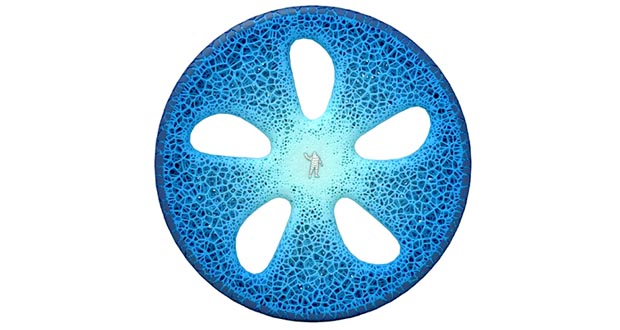 ApplicationsThe Unveiling of Michelin’s 3D printed tire prototypeFrench tire manufacturer, Michelin, has unveiled a concept 3D printed tire that just may revolutionize the way we drive. The tire, which is airless, has a biomimetic structure and could have the ability to reprint its tread, depending on the…
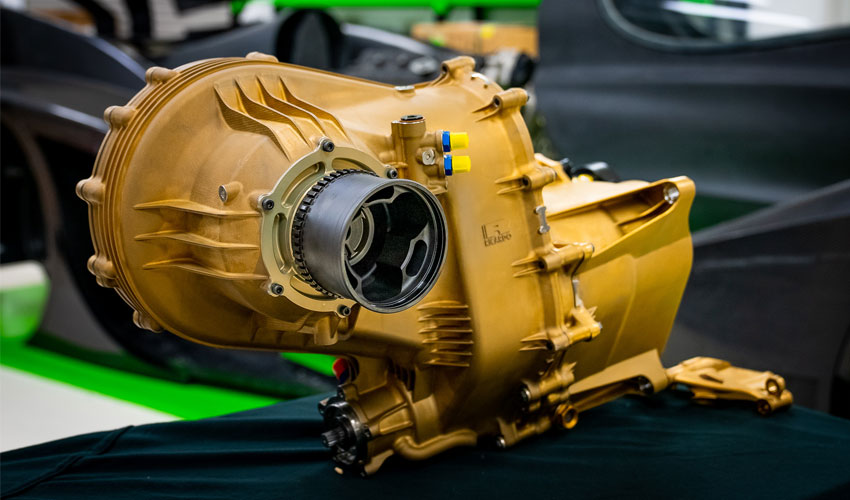 MaterialsRodin Cars 3D Prints A Sequential Titanium GearboxNew Zealand racing car maker Rodin Cars is implementing the use of metal additive manufacturing to produce parts for its new hypercar, the Rodin FZERO. Thanks to the DMP Factory 500 3D printer, the company was able to design its…
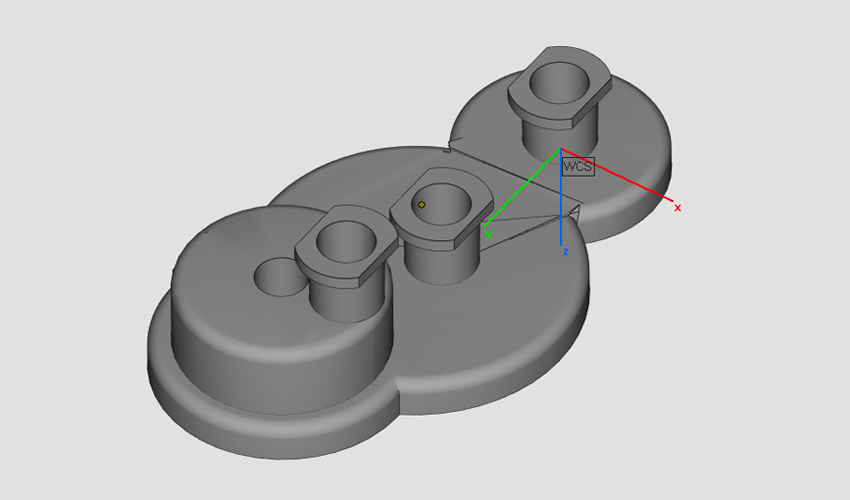 ApplicationsCan DLP Be Used in the Creation of Microfluidic Chips?Medical applications in 3D printing are vast and growing larger by the day. One that is increasingly important, but perhaps less discussed, centers on microfluidics. Microfluidic devices (microfluidic chips) have emerged over the past 30 years and have been rapidly…
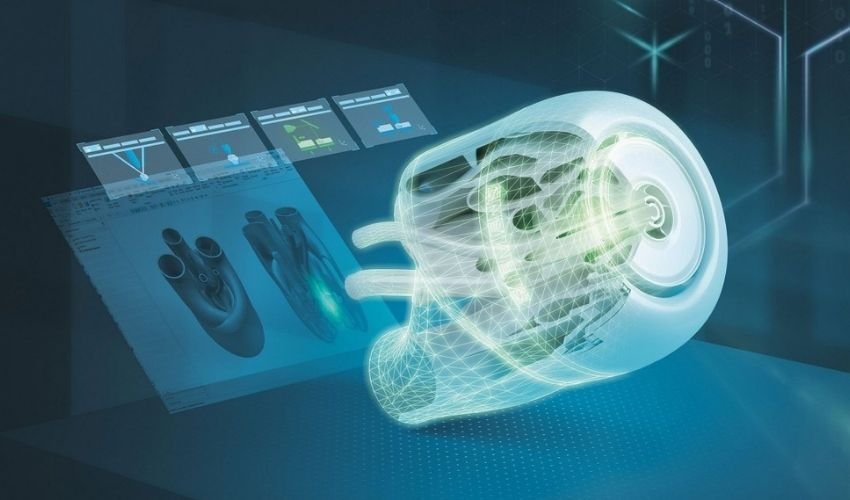 SoftwareMachine Learning: The Importance of Artificial Intelligence for Additive ManufacturingFor many companies, digitization and automation are the keys to the further development of additive manufacturing. Thus, more and more manufacturers are relying on cloud-based solutions and integrating various algorithms into their 3D printing solutions in order to exploit the&he
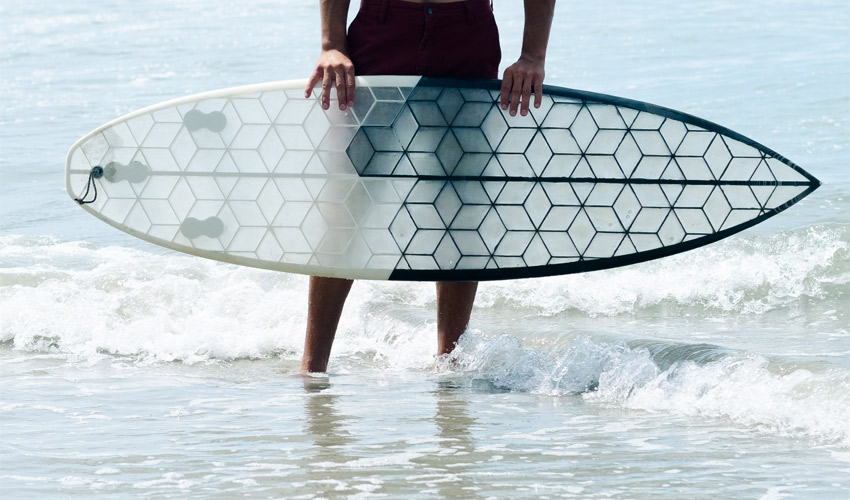 GuidesWYVE and its 3D printed eco-surfboardsWYVE, previously known as HEXA Surfboard, is a young French company that has relied on 3D printing to design surfboards that are more environmentally friendly, customizable and with a transparent design. Aware of today’s ecological problems, the brand is totally…