Applications
3DExpress: Novel 3D Printed Skin with Simulated Blood for Surgical Training
In this week’s 3DExpress, we highlight notable developments in the medical sector. In the United States, researchers at the University of Minnesota have successfully 3D printed a new type of skin model to advance surgical training. In Germany, a hospital…
- 3 min read
- Applications
- Six more stories
In this week’s 3DExpress, we highlight notable developments in the medical sector. In the United States, researchers at the University of Minnesota have successfully 3D printed a new type of skin model to advance surgical training. In Germany, a hospital team in Dessau reported the first successful implantation of a bioresorbable 3D printed skull. Beyond healthcare, we also examine the introduction of a new concrete 3D printer and a multi-metal printing process set to broaden industrial applications. Some positive updates for the medical and industrial fields!
Simulated Skin for Surgical Practice
Researchers from the University of Minnesota 3D printed simulated human tissue for medical training. Previously, these models have been simple, rigid tissue simulants. The new technique, by contrast, can mimic the directional strength, softness and stretchiness found in real tissues like skin. Remarkably, they also printed microcapsules in the tissue, containing a liquid to mimic blood. The microcapsules prevent the blood from drying out or interfering with the printing process. In a preliminary study, surgeons found that these new surgical models had improved tactile feedback and response to cutting compared to conventional models. Going forward, the team will explore printing other organ models, with the aim to advance surgical training.
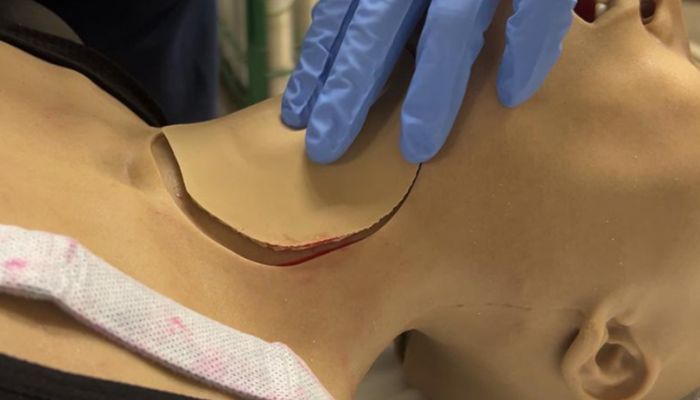
3D printed simulated skin for training (Photo Credit: McAlpine Research Group)
A Successful Cranial Implant in Germany
The Municipal Clinic of Dessau, Germany, successfully performed an innovative operation: a bioresorbable cranial implant in the patient. The head physician of the Neurosurgery Clinic, Prof. Dr. Klaus Zweckberger, described this method as a true paradigm shift in neurosurgery. He emphasized: “We can not only treat patients safely, but also stimulate natural bone growth. This eliminates the need for lifelong use of foreign material.” Under the direction of Dr. Henrik Giese, the patient received a completely new skull that, over time, will fuse with the bone and promote bone reconstruction. As Giese emphasizes: “The precision of the implant was impressive: it integrated into the existing cranial structure like a custom-made key. The combination of 3D printing, bioresorbable material, and autologous bone marrow opens up completely new perspectives in reconstructive medicine.”
More from the desk
Six other notes from the rest of the bench.
 SoftwareMyMiniFactory, The Platform For Guaranteed Printable Free STL FilesWhether hobbyist or professional, anyone using a 3D printer is very likely to be using an STL file to print their project. An STL file, along with a 3D slicer, transmits data from a computer to 3D printer hardware. But…
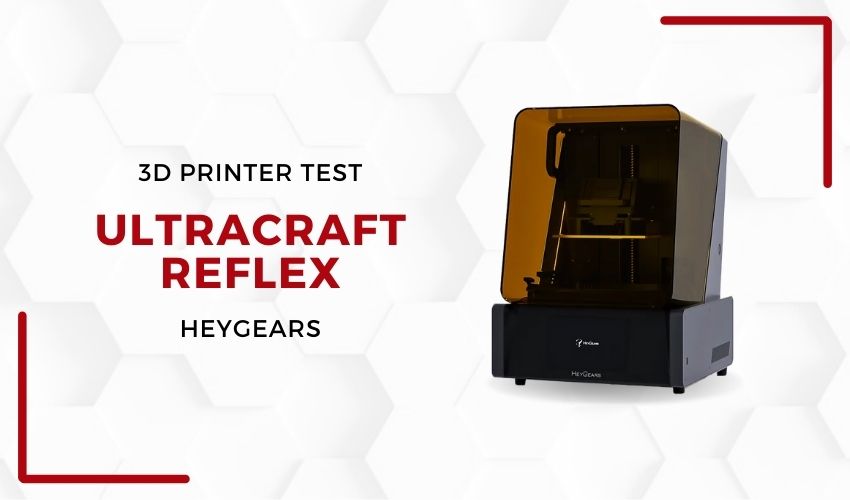 News3Dnatives Lab: Testing the UltraCraft Reflex 3D Printer From HeyGearsWhether created by historic manufacturers or up-and-coming players, it’s always interesting to discover the latest innovations that have emerged on the 3D printing market. Case in point, recently, the 3Dnatives Lab had the opportunity to take a look at the…
 MaterialsRigid or Elastic? The Plastic Material that Changes Properties Thanks to 3D PrintingIn recent years, many university research projects have been developing multifunctional materials through additive manufacturing. In the medical field, for example, it is important to create fabrics capable of regenerating organs or bone structures and design advanced biomedical
  NewsCan 3D printing help rescue natural reefs?Environmental issues are becoming more and more unavoidable and the degradation of natural reefs is one of them. Natural reefs are vital for the well-being of our planet for they are one of the most varied ecosystems on Earth. However,…
 MaterialsAdvancing bioprinting technology in spaceRecently, CELLINK announced an exciting partnership with Made In Space to develop advanced bioprinting technology for space. The space company develops state-of-the-art space manufacturing technology to support exploration, national security, and sustainable space settlement. The
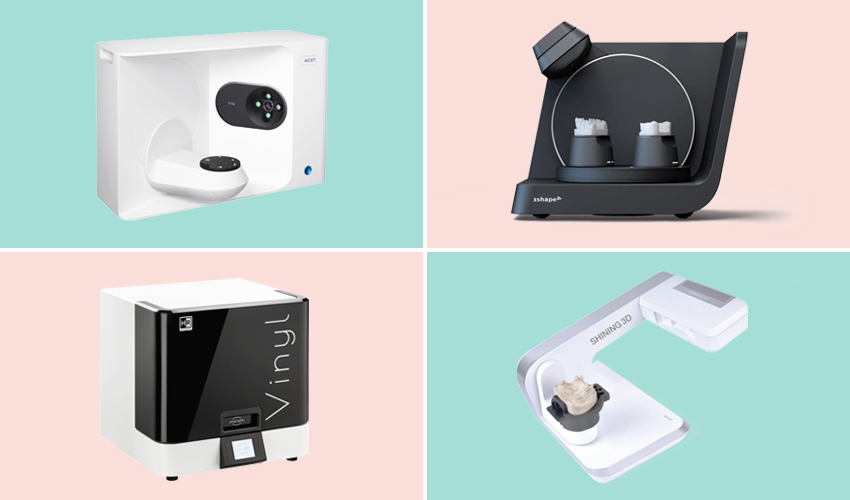 GuidesThe Top Dental Lab 3D Scanners on the MarketThe ability of 3D printing to allow users to create highly accurate, fully customizable appliances is crucial in a sector like dental where perfectly fitted parts are necessary due to the vast differences between individuals. For this reason, 3D scanners…