Applications
#3DExpress: Facial Implants Made Using 3D Printing
In this issue of #3DExpress, we once again present five exciting news items from the world of 3D printing that have caused a stir this week. First up: the 3D-printed facial implant that the University Hospital Basel has produced and…
- 3 min read
- Applications
- Six more stories
In this issue of #3DExpress, we once again present five exciting news items from the world of 3D printing that have caused a stir this week. First up: the 3D-printed facial implant that the University Hospital Basel has produced and successfully used on site. Next an underwater drone, a 3D-printed bridge made from a wind turbine blade, more affordable metal 3D printing and a concrete arch! Enjoy reading and have a great weekend!
3D Printing Facial Implants With PEEK
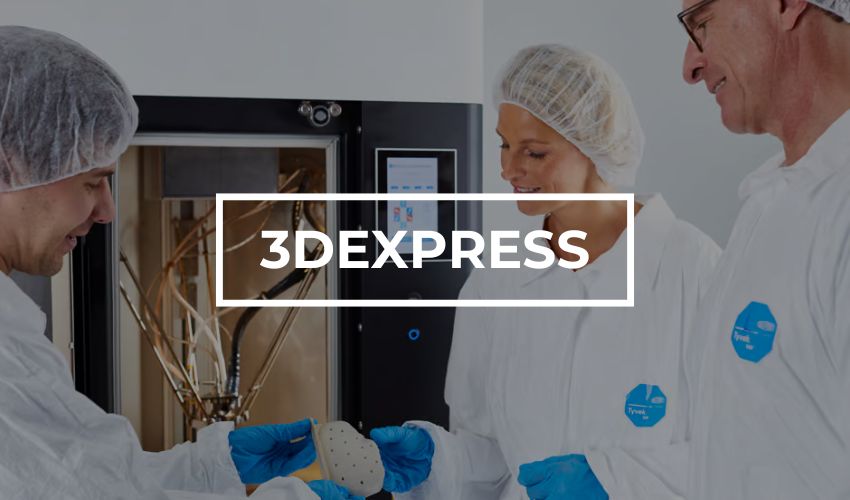
On March 18, the first 3D-printed facial implant was inserted in an operation at the University Hospital Basel. The implant was manufactured directly at the point of care in coordination with the patient data. The hospital used the XT 220 MED medical 3D printer from 3D Systems for this purpose. This printer was designed to be used in a clean room specifically for medical applications. The post-processing processes are also validated. On-site production enabled doctors and technicians to work closely together to produce a custom-fit implant for the patient. Prof. Florian Thieringer from the University Hospital Basel summed up the advantages of 3D printing at the point of care, “By being directly involved here at the hospital in both the design and manufacture of patient-specific implants, we can tailor treatments precisely to individual needs, respond more quickly and improve surgical outcomes.”
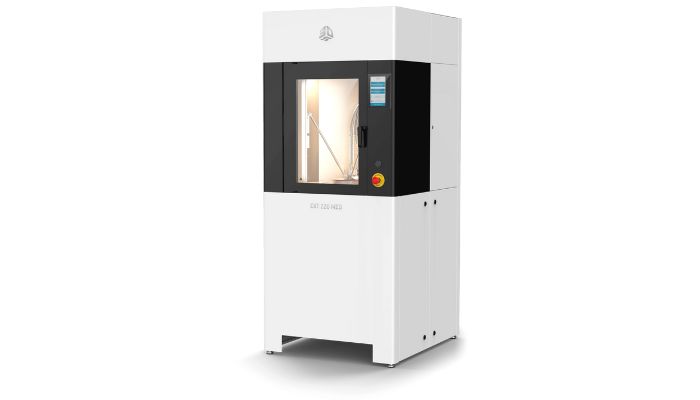
Photo Credits: 3D Systems
ROYAL3D presents prototype of a water drone for maritime operations
Royal3D, a Dutch company specializing in 3D printing services, has unveiled the prototype of the ShearWater Aquatic Drone, an autonomous drone designed for operations in the maritime sector. This modular and parametric drone is designed to improve maritime operations by facilitating monitoring, data collection and risk mitigation in extreme environments. The project was partially supported by the European Union’s CrossRoads program and features the use of Royal3D’s advanced 3D printing technology, which uses infrared cameras to accurately control the adhesion of layers during the manufacturing process. The ShearWater is reinforced with PETG fibers, giving it a combination of lightness, stiffness and durability. Although the drone is only a prototype, Royal3D has stated that it is a stepping stone for companies looking to integrate their own autonomous systems into maritime operations.
More from the desk
Six other notes from the rest of the bench.
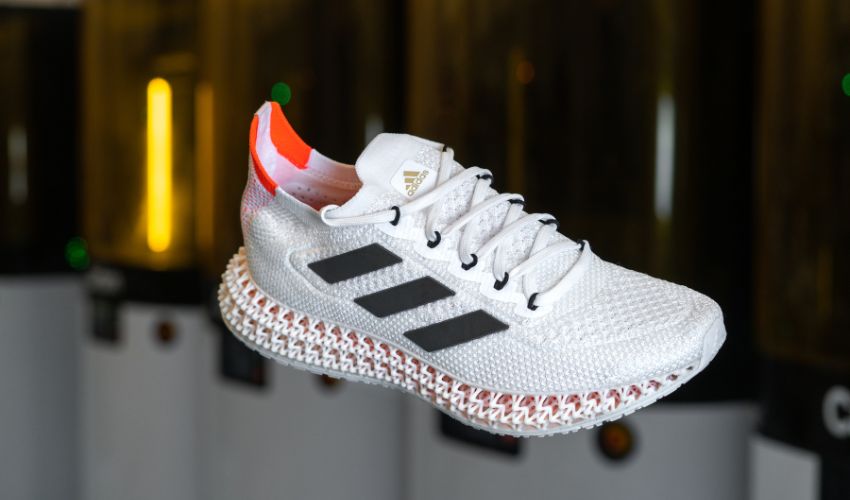 MaterialsCarbon on Developing More Innovative Materials and the Importance of Sustainability in AMWhen Carbon was founded in 2013, it set about to radically change product development and manufacturing with its ultra-fast photopolymerization printing process, Digital Light SynthesisTM (DLS). Since then, the company has continued to make waves as companies like adidas, Ford&he
 News3D Printed Spikes From BMW Are Being Used to Make Bobsledding FasterIn the sports sector, 3D printing is continuously being used to customize equipment for athletes, even at the highest levels. The increased relevance of 3D printing was once again demonstrated by the German Bobsled, Luge and Skeleton Federation (BSD). In…
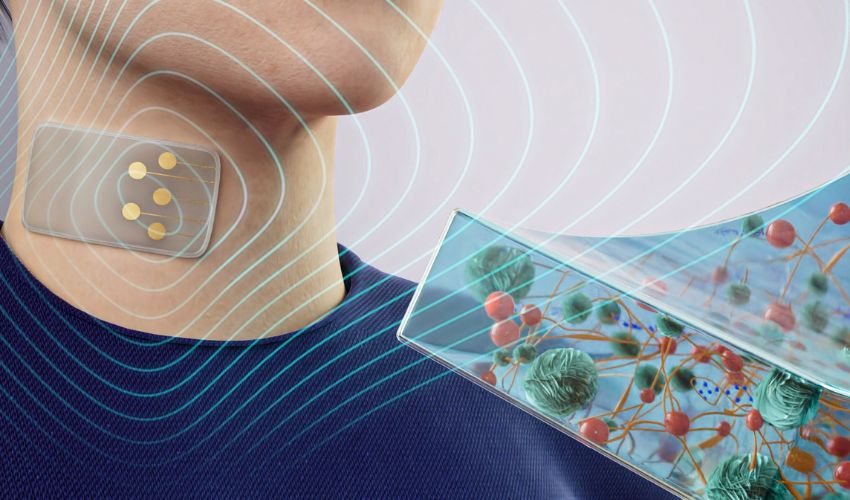 News3D Printed Electronic Skin Could Open the Way for Human-Machine InteractionThe skin is the largest human organ and the largest sensory connection to the rest of the world due to its more than 1,000 nerve endings. This makes it not just incredibly important to humans as they interact with their…
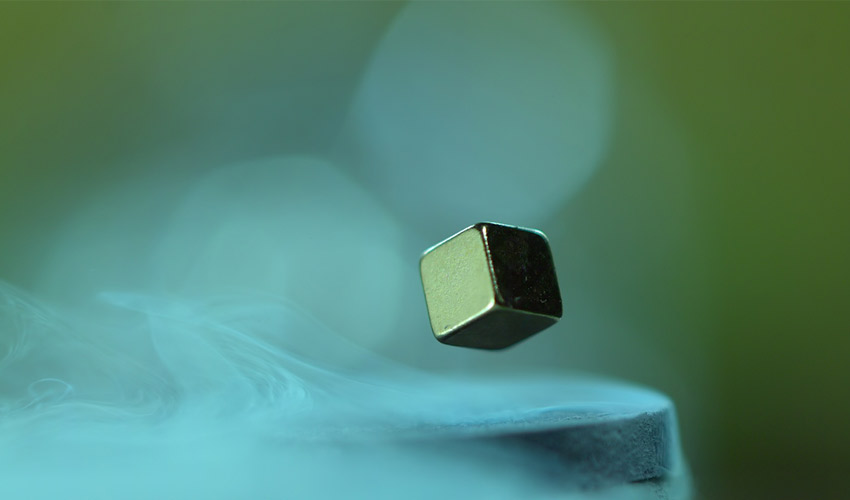 MaterialsResearchers Develop New Method to 3D Print MagnetsTeams from the Jean Lamour Institute (IJL), the Materials Science research laboratory of the University of Lorraine, have developed a method for producing magnets with a desktop FDM 3D printer. The researchers claim to have succeeded in integrating magnetic properties…
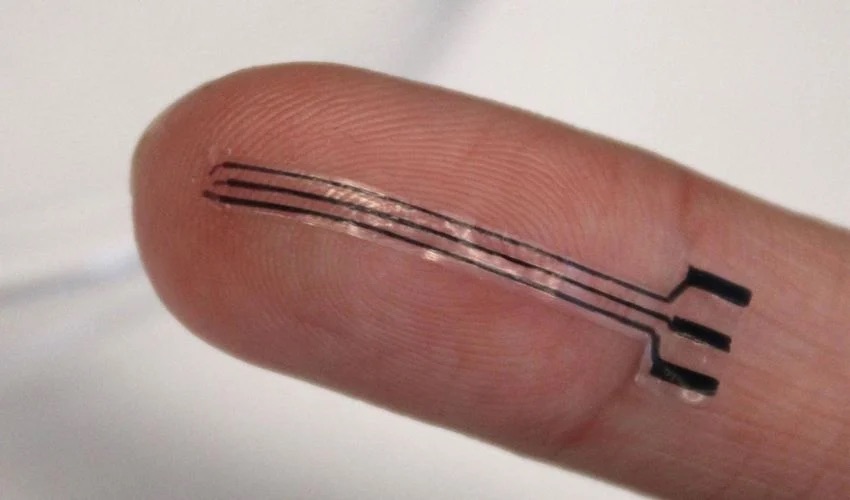 ApplicationsA 3D-Printed Hydrogel Implant Could Treat High Blood Pressure Without MedicationHigh blood pressure is one of the leading causes of cardiovascular disease worldwide. For many patients, standard drug treatments are not sufficient. Researchers at Penn State University may have found a potential solution in a small bioelectric implant made using…
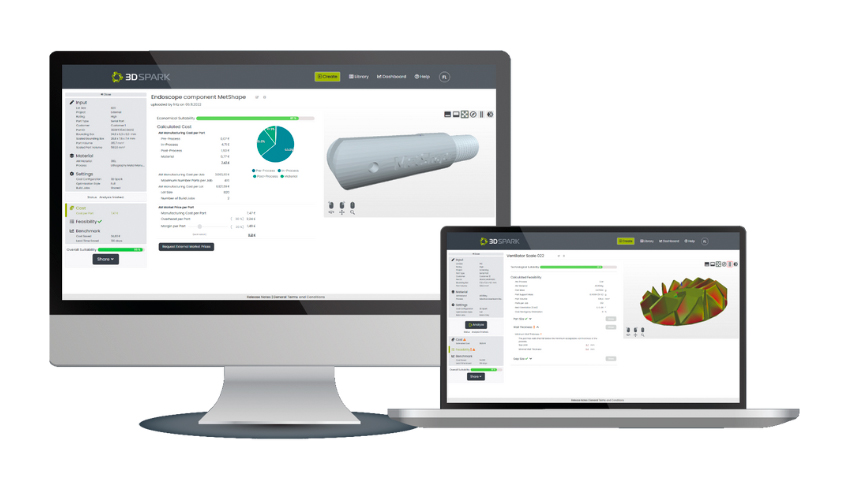 Guides#3DStartup: 3D Spark Helps Companies Cut Costs and Waste in ProductionThe adoption of additive manufacturing in companies is steadily increasing. More and more companies are interested in taking advantage of 3D printing, but there is often uncertainty about choosing the right technology, materials and software. Spark 3D, a startup based…